Home » Applications » Garment

Garment Industry Metal Detection & Inspection Solutions

JINDUN Metal Detectors, X-Ray Inspection Equipment, Needle Detectors, Weight Sorting Machines, and Tensile Testing Systems provide comprehensive solutions for detecting metal contaminants, foreign objects, and quality defects in textile and garment manufacturing. Our equipment ensures the safety, consistency, and durability of fabrics, garments, and sewn products while meeting international standards such as ISO9001 and OEKO-TEX.

Designed to integrate seamlessly with textile production lines, garment cutting, sewing, and finished product inspection, JINDUN solutions offer real-time monitoring, automated rejection, and high-speed operation without interrupting workflow. Ensuring consistent quality across batches.

Trusted by apparel manufacturers, textile mills, and contract garment producers worldwide, JINDUN inspection systems safeguard product integrity, prevent recalls, and help brands meet strict consumer safety and quality requirements.

Application Video

Application Display

FAQS

Why is metal detection important in garment manufacturing?

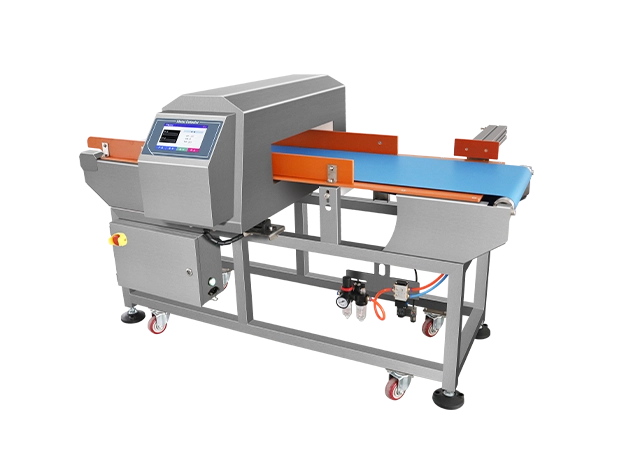
Metal detectors are essential for identifying metal contaminants such as broken needles, zipper parts, or rivets in garments. Detecting these hazards prevents injuries to consumers, protects brand reputation, and ensures compliance with safety standards.

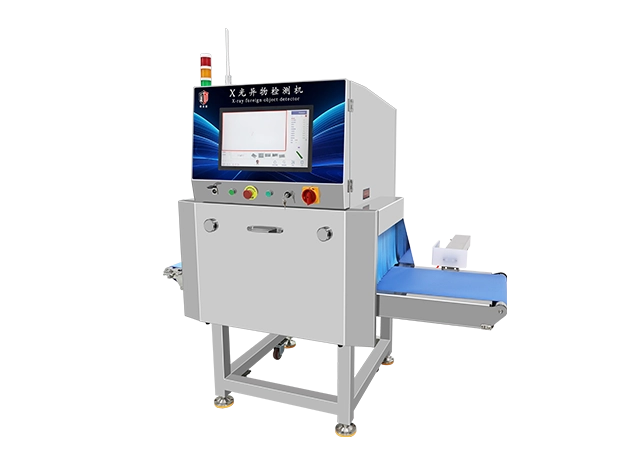
X-ray inspection can detect hidden defects like embedded foreign objects, improper stitching, or density irregularities in fabrics and finished garments. It offers higher accuracy than visual inspection, especially for multilayer or dense textile products.

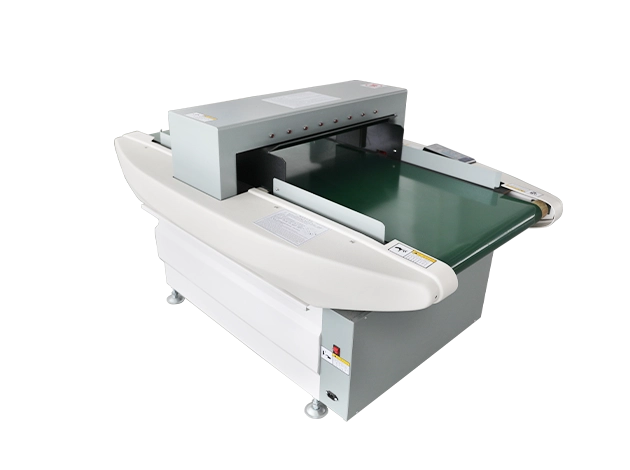
Needle detectors identify broken needles or unwanted metal fragments that may accidentally remain in garments during sewing or assembly. This is critical to prevent consumer harm and product recalls.

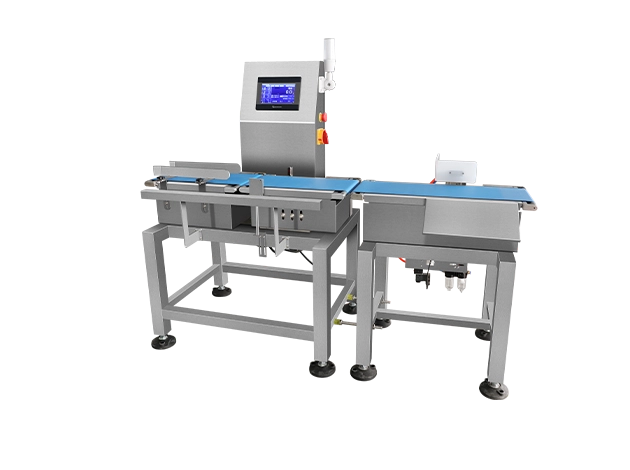
Weight sorting machines automatically check and separate garments based on weight, ensuring consistency across products. This reduces manual inspection, streamlines packaging, and helps maintain quality in high-volume production.

Tensile testing measures the strength and stretchability of fabrics and seams under force. It ensures that garments withstand everyday wear and tear, meet ISO/ASTM standards, and maintain durability and shape during use.

Submit Request