Home » Applications » Food
Food metal detectors are used for food production inspection
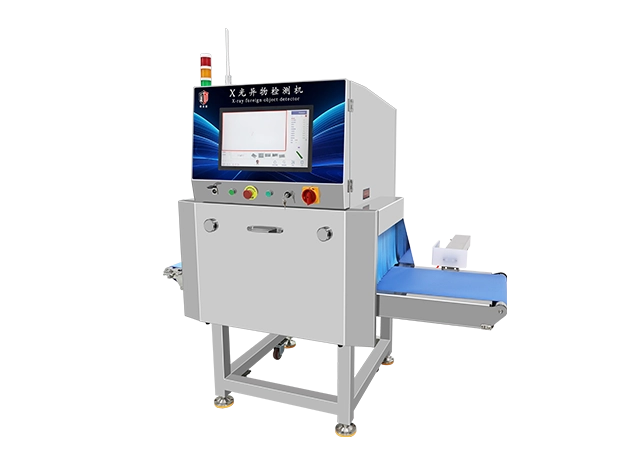
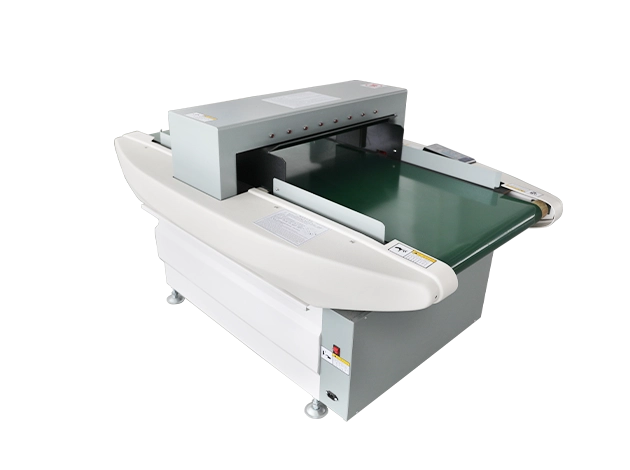
JINDUN Food Metal Detectors ensure uncompromised product safety by detecting and removing ferrous, non-ferrous, and stainless-steel contaminants from meat, seafood, bakery, dairy, and packaged foods. Engineered for HACCP compliance and high-sensitivity inspection, these systems maintain detection accuracy even in high-moisture or high-salt products.
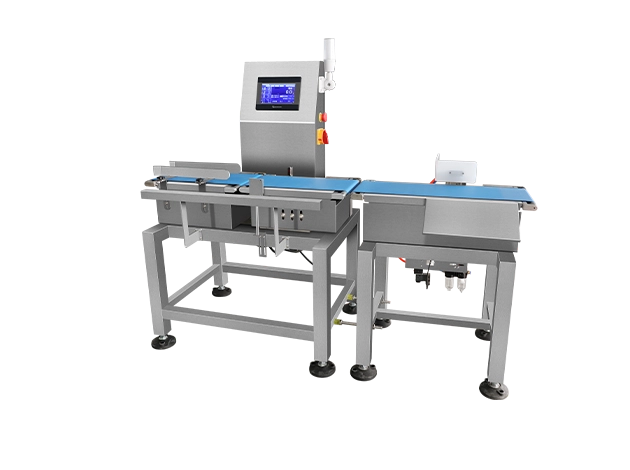
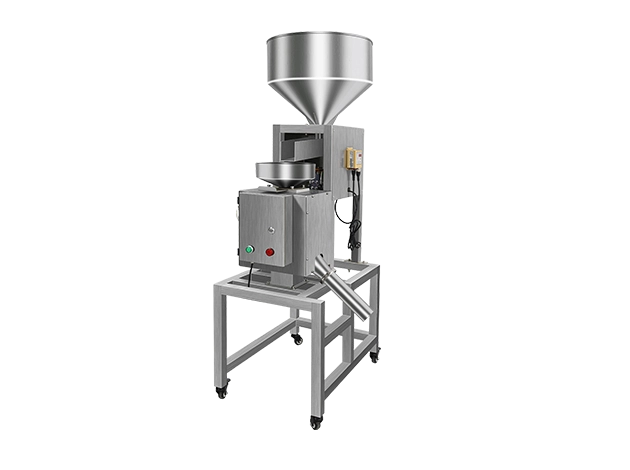
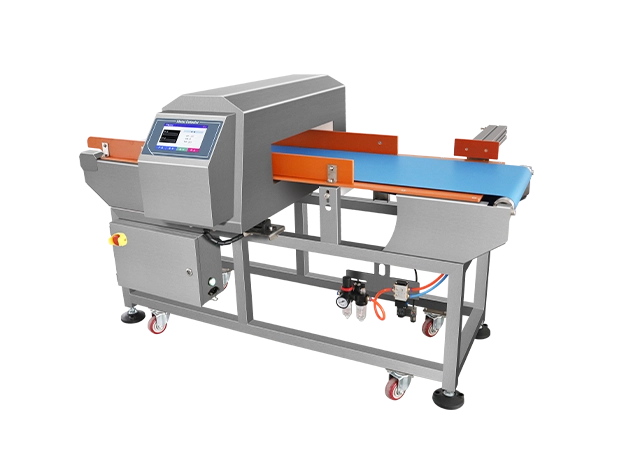
Ideal for food processing lines, packaging plants, and quality-control checkpoints, JINDUN detectors integrate with conveyor or pipeline systems to provide real-time monitoring and automatic reject functions. Built with stainless-steel housings and washdown-ready designs, they operate reliably in wet or dusty environments and support 24/7 production.
Trusted by food manufacturers worldwide, JINDUN Food Metal Detectors help meet stringent global standards such as FDA, CE, and ISO9001, protecting both consumer health and brand reputation.

Application Video
FAQS
What types of food products can the detector inspect?
JINDUN Food Metal Detectors accurately inspect a wide range of products, including meat, seafood, bakery goods, dairy, frozen foods, and packaged snacks—maintaining high sensitivity even in high-salt or high-moisture items.
Can it meet international food safety standards?
Yes. All JINDUN detectors are designed to comply with HACCP, FDA, EU CE, and ISO9001 requirements, helping processors pass regulatory audits and maintain global export certifications.
How does the system handle high-speed production lines?
The conveyor-based design supports rapid throughput and features a high-speed reject mechanism that removes contaminated products without slowing or stopping the production line.
Is the equipment suitable for wet or washdown environments?
Absolutely. The housing is made of food-grade stainless steel with IP65/IP66 protection and a hygienic design, allowing easy cleaning and reliable operation in humid or washdown conditions.
What maintenance is required to keep performance stable?
Routine visual inspections and scheduled coil calibrations are recommended. Critical parts such as the conveyor belt and reject device are easily accessible for quick cleaning or replacement.