Home » Applications » Medical
Medical Industry Metal Detection & Inspection Solutions
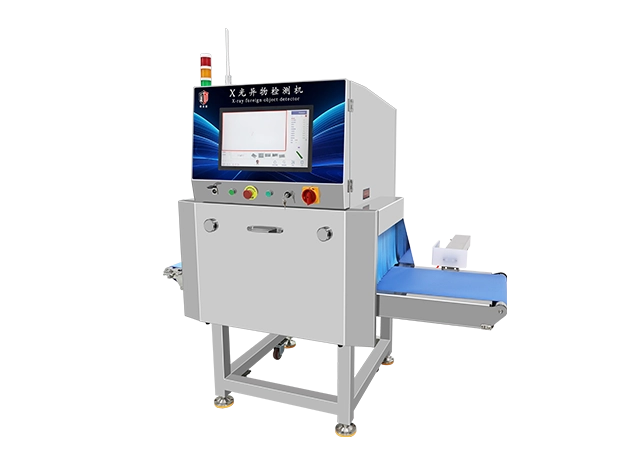
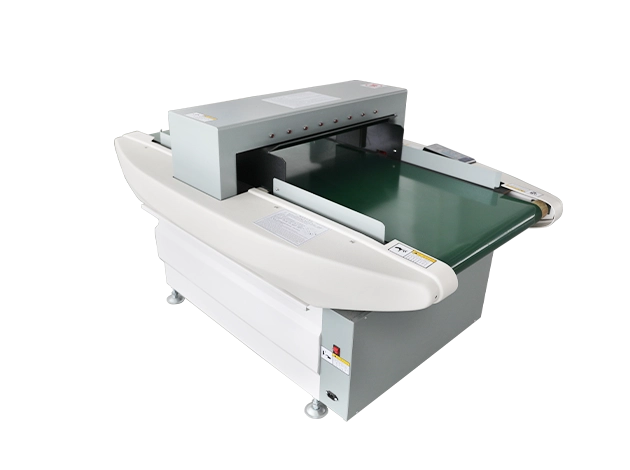
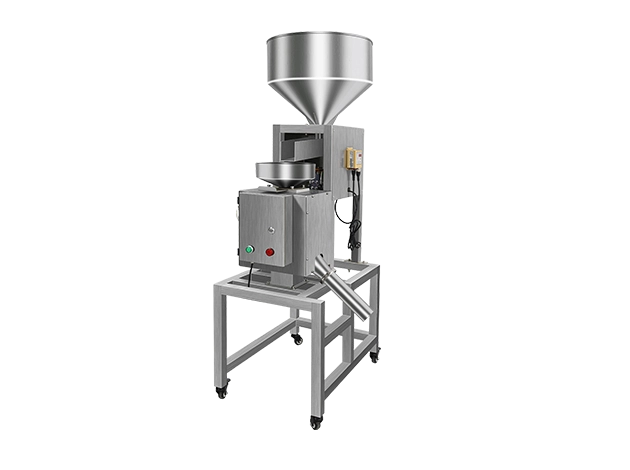
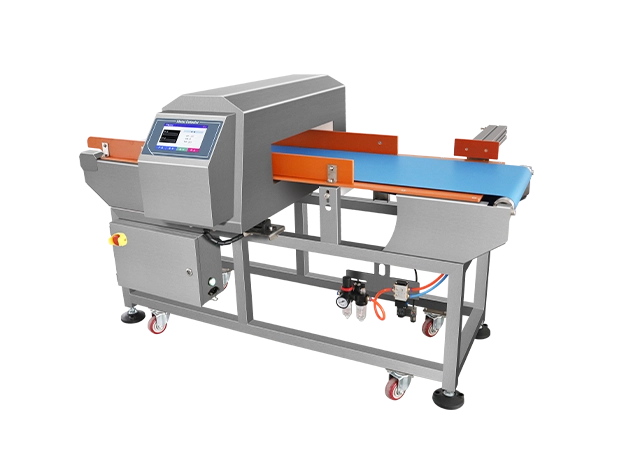
JINDUN X-Ray Inspection Equipment and Metal Separator Systems provide high-precision detection of metallic contaminants in medical devices, pharmaceutical products, and sterile packaging materials. Designed to meet strict GMP and FDA standards, these solutions ensure product integrity, patient safety, and compliance with global healthcare regulations.
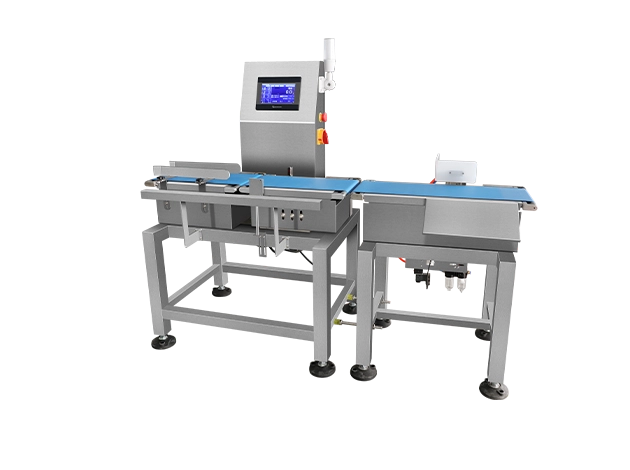
Our equipment integrates with tablet presses, blister packaging lines, and cleanroom production areas, delivering real-time monitoring and automatic reject functions without disrupting high-speed operations. Built with hygienic stainless-steel housings and advanced PLC control, JINDUN systems operate reliably in controlled environments while supporting 24/7 production.
Trusted by medical-device manufacturers, pharmaceutical companies, and healthcare packaging facilities worldwide, JINDUN inspection technology helps prevent recalls, safeguard brand reputation, and maintain the highest level of product quality.

Application Video
FAQS
What medical products can JINDUN systems inspect?
They accurately detect metallic contaminants in medical devices, surgical instruments, pharmaceutical tablets, capsules, and sterile packaging materials, ensuring patient safety and regulatory compliance.
Are the machines compliant with medical industry standards?
Yes. JINDUN equipment is designed to meet GMP, FDA, ISO13485, and EU CE requirements, supporting global export and meeting strict healthcare manufacturing regulations.
Can these systems integrate with cleanroom production lines?
Absolutely. Our compact, hygienic designs integrate seamlessly with tablet presses, blister-packaging lines, and other cleanroom environments without disrupting sterile conditions.
How do JINDUN systems help prevent product recalls?
By detecting and automatically removing even the smallest ferrous, non-ferrous, or stainless-steel particles before final packaging, they reduce contamination risks and protect brand reputation.
What maintenance is recommended for medical applications?
Routine sensor calibration, visual inspections, and periodic cleaning with approved disinfectants are sufficient. Critical parts such as reject mechanisms and detection coils are easily accessible for quick service.