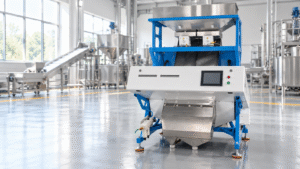
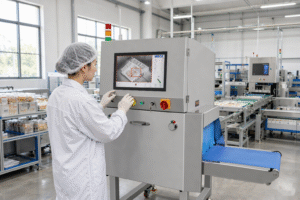
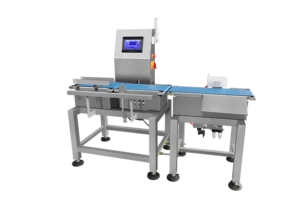
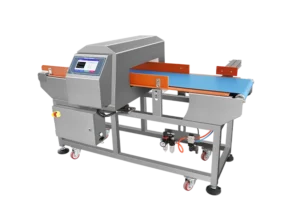
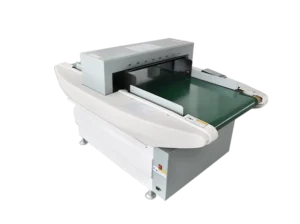
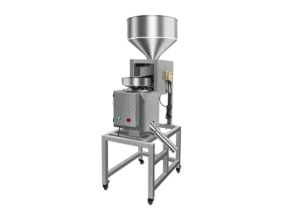
In today’s fast-paced manufacturing environment, metal contamination can pose serious risks to product safety, brand reputation, and regulatory compliance. From food and beverage to pharmaceuticals and packaging, industrial metal detection is a crucial step to ensure high-quality, contamination-free products.
This guide will walk you through industrial metal detection technology, applications, best practices, and how Jindun Elec provides reliable solutions for various industries.
What is Industrial Metal Detection Technology?
Industrial metal detection technology refers to systems designed to identify and reject unwanted metal contaminants in manufacturing processes. These systems are widely used in industries where safety and precision are critical.
Types of Metals Detected:
- Ferrous Metals: Contain iron, easily detected with standard detectors.
- Non-Ferrous Metals: Aluminum, copper, etc., require specialized sensitivity.
- Stainless Steel: Harder to detect, often found in food processing lines.
Technology Overview:
- Magnetic Induction: Common for packaged products, highly sensitive to ferrous metals.
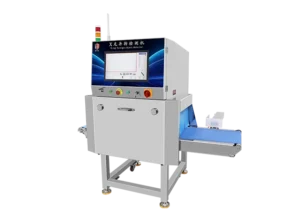
- X-ray Detection: Detects metals through dense or opaque packaging, also identifies glass and stone contamination.
- Electromagnetic Detection: Suitable for granular or liquid products on conveyor belts.
How Industrial Metal Detectors Work
Industrial metal detectors operate through a series of precise steps to ensure contaminant-free production:
1️⃣ Signal Generation & Scanning – The detector generates an electromagnetic field that scans each product.
2️⃣ Metal Detection via Sensors – Disturbances in the field indicate the presence of metal.
3️⃣ Rejection of Contaminated Products – Automated systems remove affected items from the production line.
Detection Sensitivity Table:
Key Applications Across Industries
- Food & Beverage: Prevent contamination, comply with HACCP and FDA standards.
- Pharmaceuticals: Ensure product purity and patient safety.
- Packaging & Logistics: Detect metals in sealed or processed products.
- Other Industries: Electronics, chemicals, and metal recycling lines benefit from precision detection.
Choosing the Right Industrial Metal Detector
Selecting the ideal system involves careful evaluation of multiple factors:
Step 1️⃣: Identify your product type & packaging material.
Step 2️⃣: Select the appropriate detection technology (magnetic, X-ray, electromagnetic).
Step 3️⃣: Evaluate sensitivity and accuracy requirements for metal sizes.
Step 4️⃣: Consider integration with automated production lines.
Step 5️⃣: Factor in maintenance, after-sales support, and ROI.
✅ Pro Tip: Jindun Elec industrial metal detectors are designed for high accuracy, low false rejection rates, and easy integration with existing production lines.
Common Mistakes and How to Avoid Them
- ❌ Incorrect Calibration: Leads to missed detections or false positives.
- ❌ Ignoring Maintenance: Decreases accuracy and shortens equipment life.
- ❌ Choosing the Wrong Detector for Packaging: Certain materials may interfere with detection.
- ❌ Neglecting Compliance: Failing to meet industry regulations can result in fines or recalls.
Benefits of Choosing Jindun Elec Industrial Metal Detectors
- High Detection Accuracy: Detect even small metal fragments in challenging packaging.
- Automation Friendly: Compatible with conveyor systems and production lines.
- Custom Solutions: Tailored to food, pharmaceutical, and packaging industry needs.
- Reliable Support: Technical guidance and after-sales service to ensure consistent operation.
Why the Right Metal Detector Matters in Modern Manufacturing
Industrial metal detection technology is crucial for ensuring safety, compliance, and maintaining product quality. Choosing the right detector ensures minimal contamination risk, efficient production, and regulatory compliance.
💬 Contact Jindun Elec today to discuss your custom industrial metal detection solution.