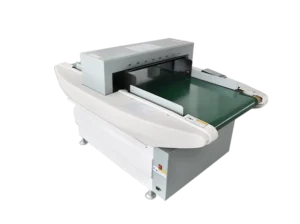
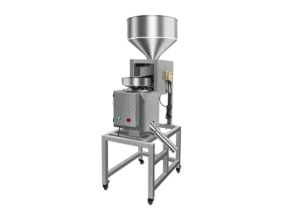
Industrial metal detection is essential for ensuring product safety, quality, and regulatory compliance in modern manufacturing. From food and beverage production to pharmaceuticals and packaging, metal contamination can lead to recalls, customer complaints, and costly production delays. Understanding how these systems work helps manufacturers choose the right solution for their production needs.
What is an Industrial Metal Detector?
An industrial metal detector is a system designed to identify unwanted metal contaminants in production lines. It helps factories maintain high product quality, reduce waste, and meet safety standards.
Metals Detected:
- Ferrous metals: Contain iron and are easily detected with magnetic induction systems.
- Non-ferrous metals: Such as aluminum and copper, which require higher sensitivity sensors.
- Stainless steel: More challenging to detect, often needing advanced detection systems like X-ray Inspection Equipment.
Detection Technologies:
- Magnetic Induction: Ideal for packaged products, especially ferrous metals.
- Electromagnetic Detection: Suitable for liquids, powders, and granular products.
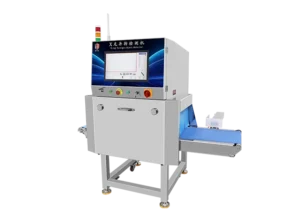
- X-ray Inspection Equipment: Detects metals through dense or opaque packaging and irregular shapes, providing a reliable solution for complex production lines.
The Working Principle of an Industrial Metal Detector
Industrial metal detectors operate through a series of steps:
- Signal Generation: The detector emits an electromagnetic field that interacts with the product.
- Detection: Metal passing through disturbs the field, triggering a signal.
- Signal Processing: The system analyzes the disturbance to confirm the presence of metal.
- Rejection: Contaminated items are automatically removed from the production line.
Detection Sensitivity Table (Typical):
Factors Affecting Detection Accuracy
The accuracy of industrial metal detectors depends on:
- Product Type: Liquids, solids, and powders require different detection setups.
- Packaging Material: Metalized or thick packaging can interfere with signals.
- Environmental Conditions: Moisture, temperature, and vibrations can affect sensitivity.
- Maintenance and Calibration: Regular inspection ensures consistent performance.
Applications Across Industries
Industrial metal detectors are widely used across sectors:
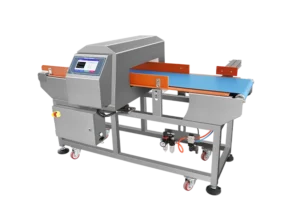
- Food & Beverage: Food Metal Detector is commonly used for packaged goods, providing consistent sensitivity and reducing contamination risk.
- Pharmaceuticals: Ensures product purity, meeting strict safety standards.
- Packaging & Logistics: X-ray Inspection Equipment can detect metals through sealed or opaque packaging, ensuring production integrity.
- Other Industries: Electronics, chemicals, and metal recycling rely on precise detection systems to maintain quality.
Choosing the Right Industrial Metal Detector
Selecting the ideal system requires understanding your production needs:
- Identify Product Type and Packaging: Choose the technology best suited for the material and packaging style.
- Select Detection Technology: Magnetic, electromagnetic, or X-ray Inspection Equipment, depending on sensitivity requirements.
- Determine Required Sensitivity: Smaller metal fragments require higher-end detectors.
- Evaluate Integration: Ensure seamless compatibility with conveyor systems and automated lines.
- Consider Maintenance and Efficiency: Choose systems that balance reliability with minimal operational disruption.
Solutions like Food Metal Detector or X-ray Inspection Equipment from Jindun Elec provide high detection accuracy while supporting automated production workflows, reducing false rejects, and maintaining compliance with industry standards.
Ensuring Safety and Quality with Industrial Metal Detection
Industrial metal detection technology is critical for product safety, quality, and regulatory compliance. Choosing the right detector reduces contamination risk, improves production efficiency, and ensures consistent standards across your manufacturing process.
To explore which solution best fits your production line, feel free to Contact Us to receive expert guidance and recommendations.
FAQs about How Industrial Metal Detectors Work