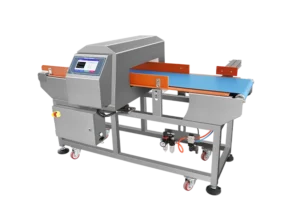
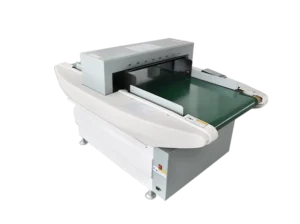
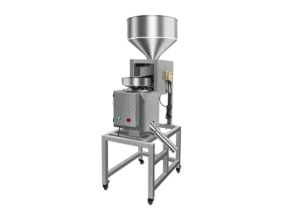
In modern manufacturing environments, PLC (Programmable Logic Controller) integration plays a key role in improving automation, data visibility, and operational efficiency. When applied to industrial metal detection systems, PLCs enable seamless communication between inspection equipment, conveyors, and rejection mechanisms — creating a smarter, safer, and more traceable production line.
Advanced solutions like Jindun Elec are designed with full PLC compatibility, making integration straightforward for any automated system.
Understanding PLC Integration in Metal Detection Systems
What Is a PLC and Why Does It Matter
A PLC is an industrial computer that controls and automates processes on production lines. It manages signals between sensors, actuators, and control panels, ensuring every component works in harmony.
When integrated with metal detection equipment, PLCs can automate reject mechanisms, collect inspection data, and provide real-time system feedback — allowing production lines to operate with greater precision and minimal manual intervention.
The Purpose of Integration
PLC integration ensures that metal detection systems communicate with other machinery in real time. It supports synchronized rejection, automated reporting, and system diagnostics — all essential features for smart manufacturing and Industry 4.0 operations.
How PLC Integration Works in Metal Detection Equipment
Communication Protocols and Interfaces
Metal detectors communicate with PLCs using industrial communication standards such as Modbus, Profibus, Ethernet/IP, RS-485, or CANopen. These protocols enable fast, reliable data transfer between the detector and the control system, allowing immediate action when contaminants are detected.
Signal Flow and Control Functions
When a contaminant is found, the detector sends a signal to the PLC. The PLC then processes this input and activates a reject mechanism — such as an air blast or push arm — to remove the contaminated product. Additional outputs can include alarms, visual indicators, or automatic line stops.
Example of Integration Setup
Integration typically involves wiring digital or analog outputs from the metal detector to the PLC’s input terminals. Engineers configure parameters such as reject delay, conveyor speed, and alarm signals to ensure precise operation. Matching communication voltage levels and timing signals ensures consistent and reliable performance.
Benefits of PLC Integration in Metal Detection Equipment
Enhanced Automation and Productivity
PLC integration enables automatic reject control, data logging, and system coordination. This reduces manual effort, minimizes downtime, and enhances overall production efficiency.
Improved Data Management and Traceability
With all detection events recorded in the PLC, manufacturers can easily generate digital inspection reports, analyze performance data, and maintain traceability for audits or regulatory compliance.
Better Error Detection and Maintenance
Integrated systems provide real-time fault alerts through PLC-based HMI/SCADA interfaces. Operators can quickly identify and correct issues, preventing costly interruptions.
Increased Safety and Compliance
Automated recordkeeping and consistent reject control help maintain compliance with HACCP, BRC, and ISO 22000 food safety standards — essential for maintaining consumer trust and meeting export requirements.
Implementation Considerations for Successful Integration
Compatibility and System Design
Ensure the chosen metal detector supports the same communication protocol as the production line’s PLC. Always consult technical documentation or the manufacturer’s integration guide.
Calibration and Signal Testing
Before full-scale deployment, test all detection signals and rejection controls to confirm synchronization. Proper timing ensures that rejected products are accurately removed without affecting the rest of the line.
Operator and Maintenance Training
Training technicians to understand both systems is vital. Knowledge of PLC operation and detector configuration ensures smooth performance and quick troubleshooting.
Partnering with Trusted Manufacturers
Choosing advanced systems like Jindun Elec Industrial Metal Detectors simplifies integration. These detectors include pre-configured PLC interfaces, flexible I/O options, and technical support for streamlined installation.
Real-World Applications of PLC-Integrated Metal Detection Systems
- Food Packaging: Automated contamination control for snacks, dairy, and frozen foods.
- Pharmaceuticals: Real-time inspection and rejection during capsule and powder filling.
- Chemicals and Plastics: Contamination monitoring in material handling lines.
- Textile and Wood Processing: Detecting broken needles, wires, or tool fragments in materials.
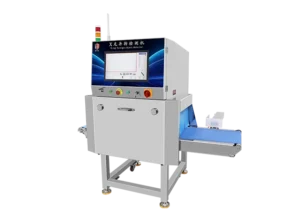
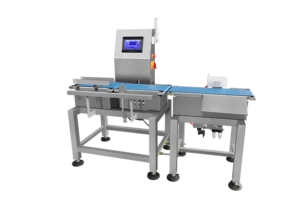
PLC integration also allows metal detectors to connect with weighing, labeling, and X-ray Inspection Equipment, forming a fully automated quality assurance network.
Enhancing Production Efficiency with Jindun Elec Integration Solutions
PLC integration transforms metal detection from a standalone process into a smart, connected quality control system. It increases automation, improves traceability, and reduces human error.
For manufacturers seeking reliable integration, Jindun Elec Industrial Metal Detectors offer complete PLC compatibility, easy setup, and robust communication for any production environment. Contact Us to discuss custom PLC-integrated solutions tailored to your line.
FAQs about PLC Integration in Industrial Metal Detection Equipment