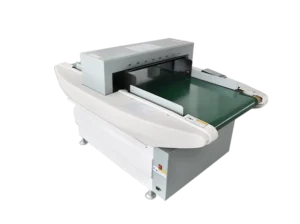
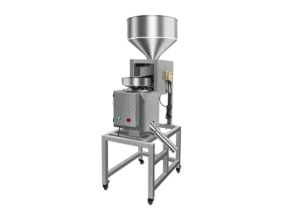
In industrial production—especially food, pharmaceutical, and packaging lines—metal detector maintenance and testing are vital for ensuring product safety and compliance. Regular maintenance not only guarantees detection accuracy but also minimizes downtime, reduces false rejects, and extends equipment lifespan.
Advanced systems like Jindun Elec Industrial Metal Detectors are designed for easy calibration, modular maintenance, and long-term stability, helping factories maintain reliable operation with minimal interruption.
Understanding the Importance of Metal Detector Maintenance
The Role of Maintenance in Detection Accuracy
Metal detectors operate continuously in demanding environments, where vibration, humidity, and product residue can affect performance. Routine maintenance ensures consistent sensitivity, stable signal processing, and reliable contaminant detection even under high-speed operation.
Compliance and Safety Requirements
Global standards such as HACCP, BRCGS, and FDA require documented testing and verification of all detection equipment. Regular maintenance helps facilities meet these safety regulations while maintaining customer trust and audit readiness.
Key Components That Require Regular Maintenance
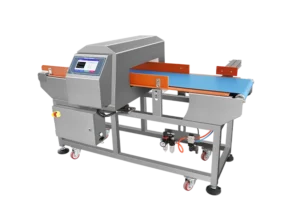
Detector Head and Aperture
Clean the detection head and aperture daily to remove product buildup or debris. Residue can interfere with electromagnetic fields, causing sensitivity drift or false alarms.
Conveyor Belt and Reject Mechanism
Inspect conveyor belts for alignment, wear, and cleanliness. Ensure the reject device is properly synchronized with the metal detector to prevent cross-contamination or delayed rejection.
Control System and Electronics
Check for firmware updates, inspect connections, and verify signal stability. Modern Jindun Elec Industrial Metal Detectors include diagnostic tools that automatically monitor these functions to minimize manual checks.
Best Practices for Routine Metal Detector Maintenance
1. Establish a Preventive Maintenance Schedule
- Daily: Clean equipment and perform quick functional checks.
- Weekly: Run detection verification using certified test samples.
- Monthly: Calibrate sensors and check mechanical alignment.
- Quarterly: Conduct a detailed audit of all system components.
2. Use Proper Cleaning Materials
Avoid metallic brushes or abrasive cleaners. Instead, use non-conductive, food-safe materials to prevent damage to the coils and circuits.
3. Maintain a Stable Environment
Temperature fluctuations, humidity, and vibration can all impact metal detection sensitivity. Install equipment in stable environments and verify grounding to prevent electrical noise interference.
Testing Procedures for Industrial Metal Detectors
Performing Routine Sensitivity Tests
Use certified ferrous, non-ferrous, and stainless-steel test pieces to verify detection accuracy. Place the test samples in different product positions (start, middle, and end) to ensure consistent sensitivity.
Automatic vs Manual Testing
Automated testing systems integrated into some metal detectors allow for scheduled self-tests. However, manual verification remains necessary to confirm accuracy and record results for audits.
Recording and Documentation
Maintain detailed logs for each test, including date, time, operator name, and results. This documentation supports regulatory compliance and process traceability.
(For more efficient workflow management, Jindun Elec Metal Detection Systems can be paired with smart recording tools for digital tracking.)
Common Issues and Troubleshooting Tips
Frequent False Rejects
These often occur due to product variations, vibration, or incorrect phase settings. Recalibrate detection thresholds or verify conveyor stability.
Reduced Sensitivity
Check for buildup on the sensor aperture or electrical interference from nearby equipment. Perform a calibration test to restore proper sensitivity.
Reject Mechanism Malfunctions
If products are not being properly rejected, inspect pneumatic valves or motor systems, and verify PLC timing signals.
(Jindun Elec Metal Detectors include auto-synchronization functions that minimize such issues.)
Optimizing Maintenance Efficiency with Jindun Elec Systems
Consistent maintenance is essential for safety and performance—but efficient design can make it easier. Jindun Elec Industrial Metal Detectors are built for reliability and simplified upkeep, featuring modular structures, smart calibration, and self-diagnostic technology.
These systems reduce manual maintenance time and help ensure continuous compliance with international food safety standards. For tailored guidance or equipment support, contact Jindun Elec for expert assistance.
FAQs about Metal Detector Maintenance and Testing