Pen needles and lancets are among the smallest metallic components used in modern medical manufacturing. When these fragments accidentally enter a batch or production line, the result can be compliance violations, product recalls, and significant safety risks. For manufacturers of medical devices, insulin delivery systems, diagnostic kits, and other healthcare products, understanding whether industrial metal detectors can reliably detect these micro-sized components is essential.
Throughout this article, we explore how industrial detection systems identify such small metal parts, which technologies work best, and how manufacturers can strengthen their quality control processes. This information is particularly valuable for companies seeking industry-grade solutions from providers such as Jindun Elec.
What Are Pen Needles and Lancets in Manufacturing?
Before exploring detection capabilities, it helps to understand how these components are used. Pen needles and lancets are thin, sharp, metallic medical instruments commonly found in insulin pens, glucose testing kits, and minimally invasive sampling devices.
In production environments, they pose a unique contamination risk because of their size, weight, and sharp geometry. Even a broken fragment can cause packaging defects or safety concerns if not detected.
Why Detecting Pen Needles and Lancets Is Critical in Pharma & Medical Production
Given their sharp profile and medical applications, missing or fragmented pen needles and lancets require strict oversight. Ensuring detection is not only a quality requirement but a regulatory obligation.
Ensuring Product Safety & Patient Protection
Undetected metallic fragments can cause injuries or contamination, undermining patient trust and product safety.
Meeting Medical-Grade Compliance Standards
Pharmaceutical and medical device plants must meet stringent GMP and ISO regulations. Metal detection supports compliance by preventing foreign object contamination.
Preventing Costly Recalls and Brand Risks
Even a single needle fragment can result in recalls or damage to brand credibility. Robust metal detection reduces operational and legal risks.
How Industrial Metal Detectors Identify Pen Needles and Lancets
Detecting extremely small metal objects requires advanced sensitivity and proper system configuration. Below is an overview of how detection works.
Sensitivity Requirements for Tiny Metal Fragments
Pen needles and lancets can be measured in tenths of millimetres. Only high-sensitivity detectors can reliably detect stainless steel or high-carbon steel needles at such size levels.
Effect of Material Type (Stainless Steel, High-Carbon Steel)
Most medical needles are stainless steel, which is harder to detect than ferrous metals. The detector’s frequency and coil design must be optimised for stainless steel detection.
Challenges in Detecting Small, Thin Metallic Shapes
Because needles are long and thin, their orientation relative to the detector’s aperture matters. Detection is easiest when the needle aligns across the signal field, but harder when aligned parallel.
Best Detection Technologies for Medical Needles
Different inspection systems are suitable depending on the manufacturing environment and packaging format.
Needle Detector (High-Sensitivity Detection)
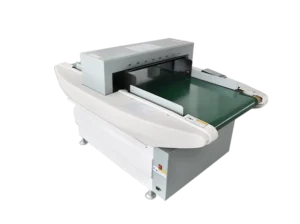
Designed specifically for small and sharp metal objects, a Needle Detector is ideal for detecting tiny steel fragments in textile-based medical goods or assembly lines.
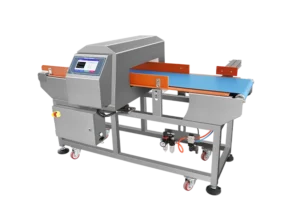
Food Metal Detectors for Pharma Packaging Lines
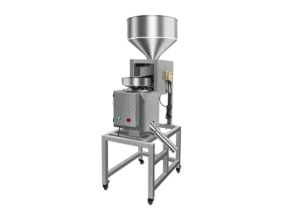
While originally developed for food inspection, Food Metal Detectors are widely used in pharma because they offer high reliability for stainless steel detection in sealed products.
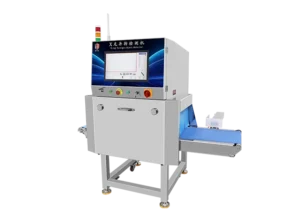
X-Ray Inspection Equipment for Ultra-Small Fragments
When detecting extremely tiny or dense needle fragments, X-Ray Inspection Equipment offers higher detection accuracy compared to electromagnetic systems.
Applications in Medical & Pharmaceutical Production
These detection technologies play different roles depending on the production stage.
Insulin Pen Needle Manufacturing
Industrial detectors verify that each needle assembly is complete and that no broken fragments remain on the production line.
Lancet Assembly or Packaging Lines
Final packaging lines often incorporate a detector to ensure a clean, contamination-free product.
Medical Kit / Diagnostic Device Production
Multi-component kits benefit from cross-checking to prevent missing or extra needles in each package.
Bulk Packaging & Final QC Inspection
Before shipment, detectors provide one last verification, especially in high-volume packaging environments.
Tips to Improve Detection Accuracy for Needle Contamination
Enhancing detection performance requires optimising both equipment configuration and daily operating procedures.
Set Proper Sensitivity Levels
Higher sensitivity increases detection accuracy, but must be balanced with false reject management.
Stabilise Product Effect (Moisture, Density)
Medical gels, fluids, or dense packaging materials can affect signal response; calibration minimises interference.
Use a Conveyor System Designed for Small Metal Detection
Systems with narrower apertures or tailored signal fields improve the detection of micro-sized metal pieces.
Routine Testing & Calibration
Manufacturers should test systems daily using standardised needle test samples to ensure consistent performance.
Conclusion
Industrial metal detectors can detect pen needles and lancets, but success depends on sensitivity, the needle material, and the production environment. For highly demanding medical and pharmaceutical applications, solutions such as a Needle Detector, Food Metal Detector, or X-ray inspection system provide dependable detection performance across different stages of manufacturing.
Manufacturers seeking improved accuracy, compliance, and safety benefit most from selecting equipment that aligns with their operational processes and inspection requirements.
For specialised medical-grade detection solutions, you may reach out to Contact Jindun Elec for expert assistance.
FAQs