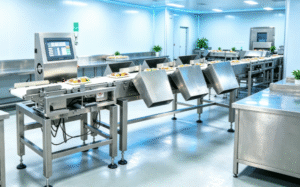
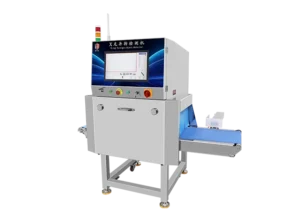
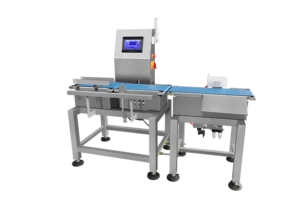
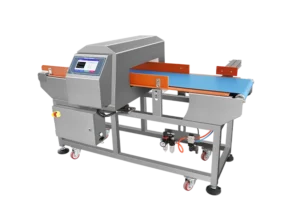
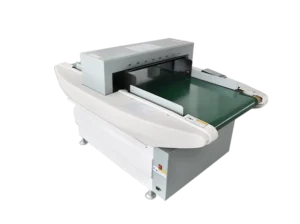
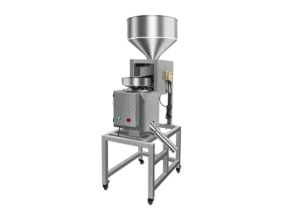
Food production facilities face constant challenges in ensuring that their products are free from metal contaminants. While Food Metal Detectors are critical for detecting metal fragments, relying solely on a single detection point is not enough. A complete contamination control system integrates preventive, detection, and verification measures to safeguard both product quality and equipment integrity.
Why a Complete Contamination Control System Matters in Food Production
In modern food manufacturing, safety and compliance standards such as HACCP, BRC, and IFS require multiple layers of protection. Relying solely on end-of-line detection exposes manufacturers to equipment damage, product recalls, and potential regulatory violations.
To address these challenges, facilities implement a complete contamination control system that combines upstream preventive measures, in-line detection, and downstream verification. This multi-layered approach ensures hazards are caught early and consistently, reducing both risk and cost.
The Role of Food Metal Detectors in Contamination Control
Food metal detectors serve as a key layer within a contamination control system, bridging the gap between preventive measures and final quality assurance.
Preventive Protection vs. Final Inspection
While metal separators remove contaminants at the raw material stage, Food Metal Detectors verify that processed products remain safe for consumers. Together, they provide a proactive and reactive safeguard, addressing both the source and the symptom of contamination.
Ensuring Product Safety and Compliance
Properly integrated detectors help maintain regulatory compliance and prevent metal-related product recalls. By identifying contaminants before distribution, manufacturers protect both their customers and their brand reputation.
Integrating Metal Detection with Other Contamination Control Measures
To maximise effectiveness, metal detection should not operate in isolation. Facilities often combine multiple layers of protection to ensure comprehensive safety.
Pre-Processing Metal Separation
Installing a Metal Separator at the intake stage prevents ferrous and non-ferrous metals from entering sensitive processing equipment. This upstream separation reduces the risk of equipment damage and unplanned downtime.
Downstream Quality Verification
After processing, Food Metal Detectors provide a final verification step. This ensures that any contaminants missed upstream are identified before packaging, maintaining product integrity.
Complementary Measures
Other measures, including cleaning protocols, raw material inspections, and process monitoring, further strengthen the system. Each component works in harmony to form a holistic contamination control strategy.
Key Factors for Effective System Integration
Successfully integrating Food Metal Detectors into a contamination control system requires attention to several critical factors:
- Equipment Placement and Production Flow – Detectors should be installed where risk is highest, and flow is consistent.
- Product Type and Packaging – Sensitivity adjustments are necessary for different product compositions, moisture content, and packaging materials.
- Continuous Production Considerations – Systems must perform reliably under 24/7 operation and high throughput conditions.
- Training and Standard Operating Procedures – Operators must understand calibration, cleaning, and inspection routines to maintain system integrity.
Benefits of a Fully Integrated Contamination Control System
Integrating Food Metal Detectors into a broader contamination control system provides multiple advantages:
- Enhanced Food Safety and Regulatory Compliance – Ensures products meet HACCP, BRC, IFS, and other industry standards.
- Reduced False Rejects and Production Loss – Early detection and separation minimise unnecessary waste.
- Extended Equipment Lifespan – Preventing contaminants from reaching sensitive machinery reduces wear and tear.
- Improved Efficiency and Stability – Consistent production flow and fewer interruptions enhance overall operational performance.
Conclusion: Building a Reliable Contamination Control System
A complete contamination control system prioritises early prevention, in-line detection, and downstream verification. Food Metal Detectors are central to this system, working alongside Metal Separators and complementary measures to protect products, equipment, and brand reputation.
For facilities seeking to implement or optimise a contamination control strategy, Contact Jindun Elec to explore tailored industrial metal detection solutions.
FAQS