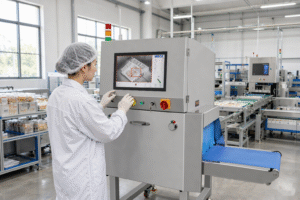
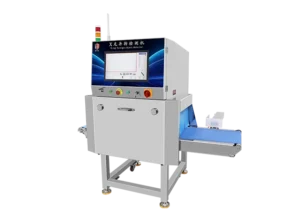
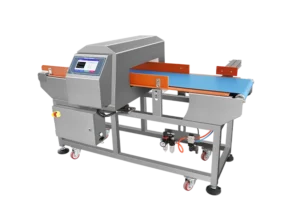
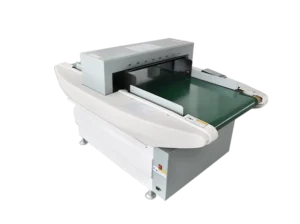
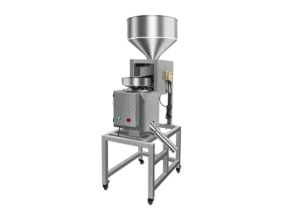
Most manufacturers first consider X-ray inspection to eliminate metal, glass, or stone contamination. However, modern production challenges extend far beyond foreign objects. Missing components, underfilled packages, collapsed products, and internal structural defects often cause greater financial loss than contamination itself. This is where industrial X-Ray Inspection Equipment becomes a true quality control system rather than a single-purpose safety device.
Why Contaminant Detection Alone Is No Longer Enough
Food and packaging lines today operate under higher speeds, tighter margins, and stricter quality expectations than ever before. Relying solely on contaminant detection leaves many costly defects invisible.
The Hidden Cost of Undetected Product Defects
- Underfilled or overfilled packages
- Missing components in multi-item packs
- Broken or deformed products
- Internal voids or density inconsistencies
These defects may pass visual inspection yet still lead to customer complaints, recalls, and brand damage.
Why Traditional Inspection Methods Fall Short
- Weighing systems cannot detect structural issues
- Vision systems struggle with opaque packaging
- Manual inspection lacks consistency at scale
This gap creates the need for deeper, internal inspection.
What X-Ray Inspection Can Detect Beyond Metal
Unlike surface-based inspection technologies, X-ray systems analyse product density and structure from the inside.
Structural Defects Inside Products
- Broken biscuits inside sealed packs
- Crushed or deformed items
- Internal cracks or voids
Fill-Level and Mass Distribution Issues
- Underfilled trays
- Uneven product distribution
- Missing items in multi-pack formats
Packaging Integrity Problems
- Collapsed containers
- Seal failures
- Deformed cartons or pouches
These capabilities transform X-ray inspection equipment into a comprehensive quality control tool.
How X-Ray Systems Identify Defects
Understanding how X-ray technology “sees” inside products explains why it is so effective for defect detection.
Density-Based Imaging
X-ray systems create grayscale images based on material density, revealing anomalies invisible to cameras.
Intelligent Image Processing
Advanced algorithms compare each product against defined reference standards, automatically rejecting abnormal items.
Real-Time Decision Making
At full line speed, the system analyses every unit and triggers precise reject mechanisms without interrupting production.
Where Defect Detection Adds the Most Value
Defect-focused X-ray inspection is particularly valuable in industries where internal consistency defines product quality.
Food and Beverage Production
Detects missing components, broken products, and fill errors in sealed packaging.
Pharmaceutical and Medical Packaging
Ensures blister packs, vials, and kits contain the correct components.
Consumer Goods and Industrial Products
Verifies internal assembly integrity and prevents shipping incomplete products.
When X-Ray Is the Right Upgrade
Not every production line needs an X-ray, but many outgrow traditional inspection systems.
Signs Your Line Needs X-Ray Inspection
- Frequent customer complaints
- High internal scrap rates
- Inconsistent fill levels
- Complex multi-item packaging
Metal Detection vs X-Ray in Real Production
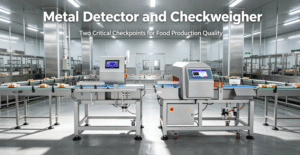
Metal detectors remain essential for contamination control, but they cannot verify product completeness or internal structure. X Ray Inspection Equipment fills this gap.
Building a Complete Quality Control Strategy
Modern plants no longer rely on a single inspection point.
A robust system integrates:
This layered approach prevents damage, ensures safety, and protects brand reputation. Manufacturers seeking guidance can learn more from Jindun Elec for professional solutions.
From Safety Tool to Quality Engine
X-ray inspection is no longer just about finding metal—it is about guaranteeing every unit leaving your factory meets structural, visual, and functional expectations. By detecting internal defects that no other system can see, manufacturers gain control over quality at a level previously impossible.
To design a defect-focused inspection strategy tailored to your production line, Contact Jindun Elec and explore how X-ray inspection equipment can elevate your quality standards.
FAQs