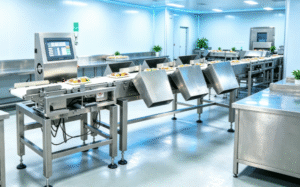
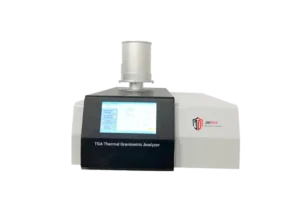
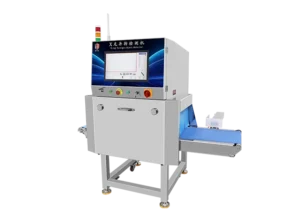
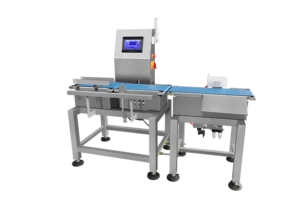
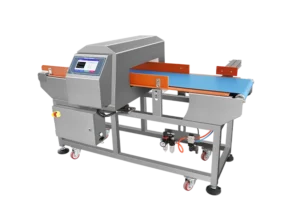
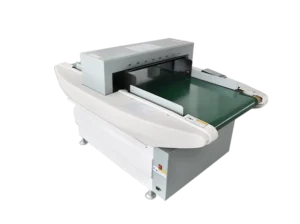
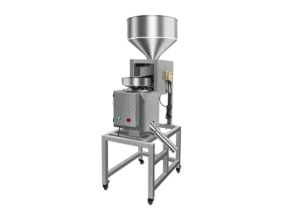
Choosing the right X-ray inspection equipment is critical for maintaining product quality, safety, and production efficiency. Selecting the wrong system can lead to downtime, higher scrap rates, and potential regulatory issues. Understanding your production line, technical specifications, and application needs ensures you get the most reliable solution for your operations. For more details about our solutions, visit Jindun Elec.
Understanding Your Production Line Needs
Before evaluating systems, it’s essential to understand the unique requirements of your production line. Not all X-ray inspection equipment fits every application.
Production Volume and Line Speed
High-throughput lines require systems that can keep up without sacrificing detection accuracy. Consider equipment rated for your maximum line speed to avoid bottlenecks.
Product Type and Packaging Material
Different products and packaging materials affect X-ray performance. Solids, liquids, multi-item packs, foil, or glass each require adjustments to detection sensitivity and system configuration.
Regulatory Compliance Requirements
Your chosen system must comply with relevant standards for your industry—whether food safety, pharmaceutical quality, or consumer goods regulations. Compliance ensures product safety and minimises legal risks.
Key Features of X-Ray Inspection Equipment to Consider
Once production needs are clear, the next step is evaluating technical specifications to match your operational goals.
Detection Capabilities
Modern X-ray inspection equipment can identify metal, glass, stone, and other foreign objects. Some systems also detect product defects such as missing items or broken components.
Image Resolution and Sensitivity
The ability to detect small or dense contaminants depends on image resolution and sensitivity. Choose a system that balances detection capability with production speed.
Reject Mechanisms and Integration
Automatic rejection systems reduce manual intervention. Ensure the equipment integrates seamlessly with your existing conveyors and production workflow for maximum efficiency.
Matching Equipment to Application Scenarios
Selecting the right system requires evaluating how it performs in real production environments.
Food and Beverage Lines
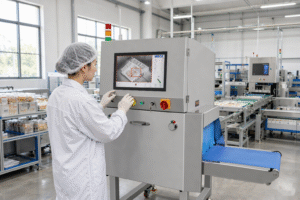
X-ray inspection equipment helps detect contaminants, verify fill levels, and ensure product consistency in food and beverage production.
Pharmaceutical and Medical Products
For blisters, kits, or dosage verification, X-ray systems ensure precise inspection and regulatory compliance without slowing production.
Consumer Goods or Industrial Products
Industrial X-ray inspection can monitor assembly integrity, detect missing or defective components, and safeguard overall product quality.
Cost Considerations and ROI
Balancing system performance with investment is critical for maximising return on investment.
Lifecycle Costs
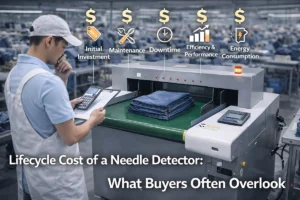
Maintenance, calibration, and consumables contribute to the total cost. Choosing equipment with predictable long-term costs prevents unexpected expenses.
Productivity Gains
Investing in X-ray inspection equipment can reduce scrap, recalls, and downtime, ultimately increasing production efficiency and reducing overall operational costs.
Integrating X-Ray Systems Into a Complete Production Line
A standalone system is not enough—equipment should fit within a complete contamination control strategy.
Combining With Metal Detectors and Separators
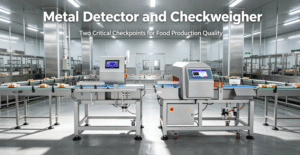
Layered inspection, using X-ray inspection equipment alongside Metal Detectors and Metal Separators, provides preventive protection and verification for maximum safety.
Data Monitoring and Reporting
Modern X-ray systems offer real-time analysis and traceability, helping monitor quality metrics and maintain compliance with regulatory standards.
Conclusion & Inquiry Section
Selecting the right X-ray inspection equipment ensures safer products, higher efficiency, and compliance with industry standards. Careful consideration of production line needs, technical specifications, and application scenarios allows manufacturers to minimise downtime, reduce scrap, and maintain consistent quality.
For customised solutions and professional guidance, Contact Jindun Elec to discuss X-ray inspection options tailored to your production line.
FAQs