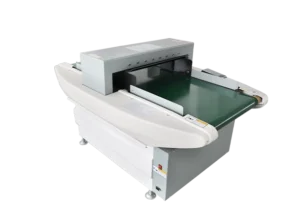
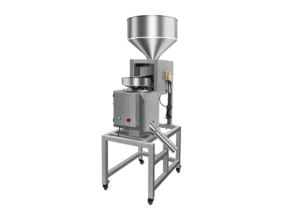
How to Properly Select a Weigher Sorting Machine
Choosing the right Weight Sorting Machine is a critical decision for food manufacturers. The correct system protects consumers, prevents recalls, and safeguards brand reputation—while the wrong choice can cause false rejects, downtime, and hidden costs. This guide walks you through a buyer-focused framework to select a detector that truly fits your production line.
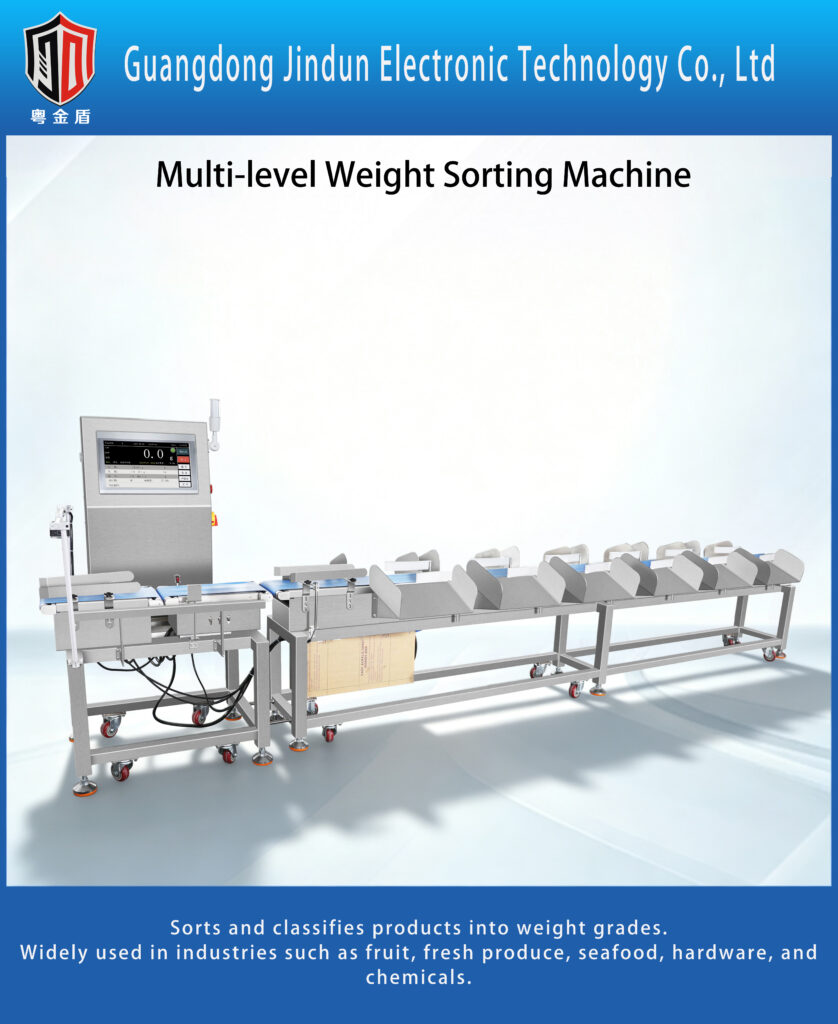
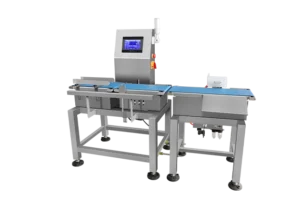
Our automatic fruit & vegetable weight grading machine is built to take the guesswork out of sorting. Whether you are packing apples, citrus, kiwifruit, tomatoes or potatoes, it weighs every single piece on a high-precision load cell and drops it into the right grade lane — automatically, consistently, and at a speed no human team can match.
Built for daily wash-down and long shifts, the machine uses food-grade 304 stainless steel, a user-friendly PLC touch screen, and a flexible grading system that adapts to your product and pack size. From small family farms to large packing houses, it is the affordable upgrade from hand sorting to automated grading.
Step 1: Why Switch to Automatic Grading?
- Labor cost is eating your margin. Hand sorting needs 8–15 workers per line, and in harvest season good sorters are hard to find.
- Human error is expensive. Different eyes, different standards — inconsistent grades mean refunds, complaints and lost repeat orders.
- Speed is lost opportunity. Manual lines simply cannot keep up with your packing capacity.
Our grading machine solves all three at once: one operator oversees what used to take a whole team.
Step 2: Key Features.
-
High-Precision Weighing
High-resolution load cells deliver stable, repeatable results with ±1–2 g accuracy, so your grades are consistent box after box.
-
Gentle Handling
Cushioned weighing cups and a soft drop design minimize bruising — critical for soft fruit like peaches, tomatoes and kiwifruit.
-
Flexible Multi-Grade Sorting
Program 3–16 weight grades on the touch screen; change sorting recipes in seconds when the product or pack size changes.
-
High-Speed & Stable
Servo-driven conveying with a sorting speed of up to 50-70 items per minute; features smooth operation, low noise, and a long service life.
- Smart Production Data Built-in counters and production reports let you track output by grade, manage inventory and improve packing efficiency.
Step 3: Suitable main product types
- Fresh meat, poultry Fresh ingredients with inconsistent individual weights, such as whole chickens, chicken wings, steaks, fish, sea cucumbers, and shrimp.
-
Fruit and Produce
Fresh fruits graded by size and weight, such as apples, oranges, and kiwifruit.
-
Pre-packaged Foods and Industrial Goods
Items such as biscuits, candies, canned goods, bagged snacks, medicine boxes, cosmetics, and small hardware components; checks for missing parts or weight compliance.
Step 4: Choose the Right System Configuration
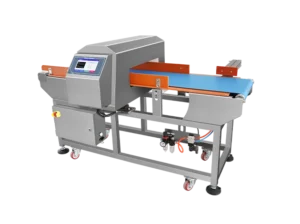
Modern food metal detectors offer multiple configuration options:
-
Single-frequency vs multi-frequency detection
-
Automatic reject systems (air blast, pusher, drop flap)
-
Touchscreen controls with user access levels
-
Data logging for audit trails and quality reporting
These features support daily operations, traceability, and compliance with food safety programs.
Step 5: Service & Support
- Customization: Grade count, weighing range, speed and cup size all configurable for your produce.
- Easy Startup: Video manuals and remote guidance included; one worker can learn to operate it in a day.
- Warranty: 12-month warranty on the whole machine, with long-term spare parts supply.
- After-Sales: 24/7 online technical support, worldwide shipping available.
Step 6: Evaluate Cost Beyond the Purchase Price
The cheapest detector is rarely the most economical long term.
Consider:
-
Maintenance and spare part availability
-
Downtime caused by false rejects
-
Training and ease of use
-
Expected service life and upgrade options
A higher upfront investment can deliver better ROI through reduced waste, fewer stoppages, and lower recall risk.
Step 7: Plan Installation and Line Placement
Correct placement maximizes detection performance.
Best practices include:
-
Installing after critical risk points (cutting, mixing, packaging)
-
Ensuring stable product presentation on the conveyor
-
Allowing space for reject verification and operator access
Proper commissioning and validation are as important as the detector itself.
Common Mistakes to Avoid
-
Choosing based on price alone
-
Ignoring product effect during trials
-
Underestimating washdown or hygiene needs
-
Failing to plan for future line upgrades or capacity growth
Avoiding these pitfalls saves time and cost after installation.
Conclusion
Selecting the right food metal detector is a strategic decision, not just a technical purchase. By evaluating your product type, environment, sensitivity needs, compliance requirements, and total cost of ownership, you can choose a system that protects consumers, supports audits, and keeps your production line running efficiently. Inquire Now!
FAQS