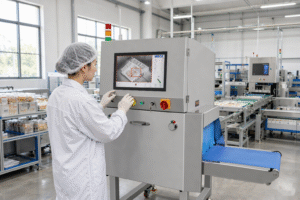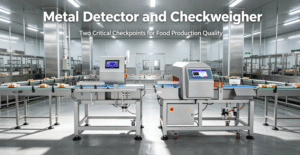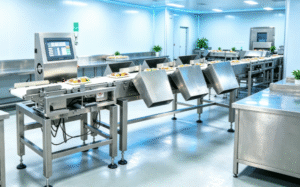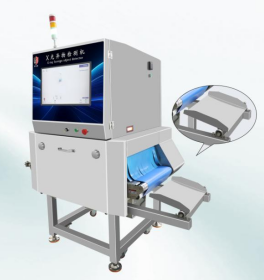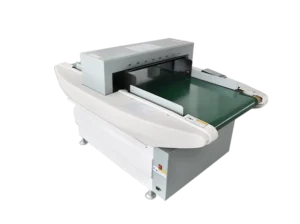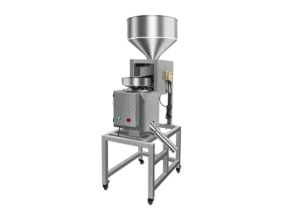
A production line may need to answer two different questions before a package can be released: is there metal contamination inside the product, and is the package within its permitted weight range? A metal detector answers the first question, while a checkweigher answers the second. When both inspections belong at the same point on the line, a metal detector and checkweigher combination system can perform them in one continuous, coordinated process.
The integrated option is not automatically the best choice for every factory. It makes the most sense when products can pass one by one at stable spacing, both inspections can operate at a compatible line speed, and the factory wants to reduce floor space and simplify mechanical integration. If metal detection and weight control must take place at different stages, or if either machine needs to be upgraded independently, two separate units may provide more flexibility.
What Is a Metal Detector and Checkweigher Combination System?
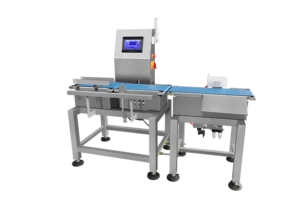
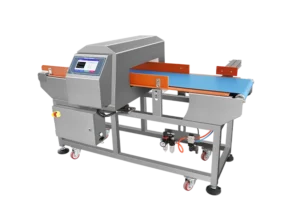
A combination system places a food metal detector and a dynamic checkweigher on one coordinated conveyor line. The metal detector looks for disturbances associated with ferrous, non-ferrous and stainless-steel contaminants. The checkweigher measures each moving product and compares the result with the programmed weight limits. A control and rejection arrangement then removes products that fail either inspection.
These are still two independent measurements. The weighing sensor does not detect metal, and the electromagnetic detector does not determine whether a pack is underweight. Integration brings the conveyors, controls, product tracking and rejection sequence together; it does not merge two different inspection principles into one sensor.
How a Metal Detector and Checkweigher Combination Works
Products enter the system in a single line with enough distance between consecutive packs. They pass through the metal-detection aperture and then travel across the weighing conveyor. Sensors track each package through the system so that the controller can associate the inspection result with the correct item. Depending on the design, metal-contaminated, underweight and overweight products can be sent to separate collection areas or handled by a shared reject device with recorded reason codes.
Correct spacing matters because a checkweigher must measure one product at a time. If two packages occupy the weighing section together, the system may classify them as an invalid measurement or reject them unnecessarily. The weighing conveyor length, belt speed, product length and upstream spacing therefore need to be considered as one system rather than selected independently.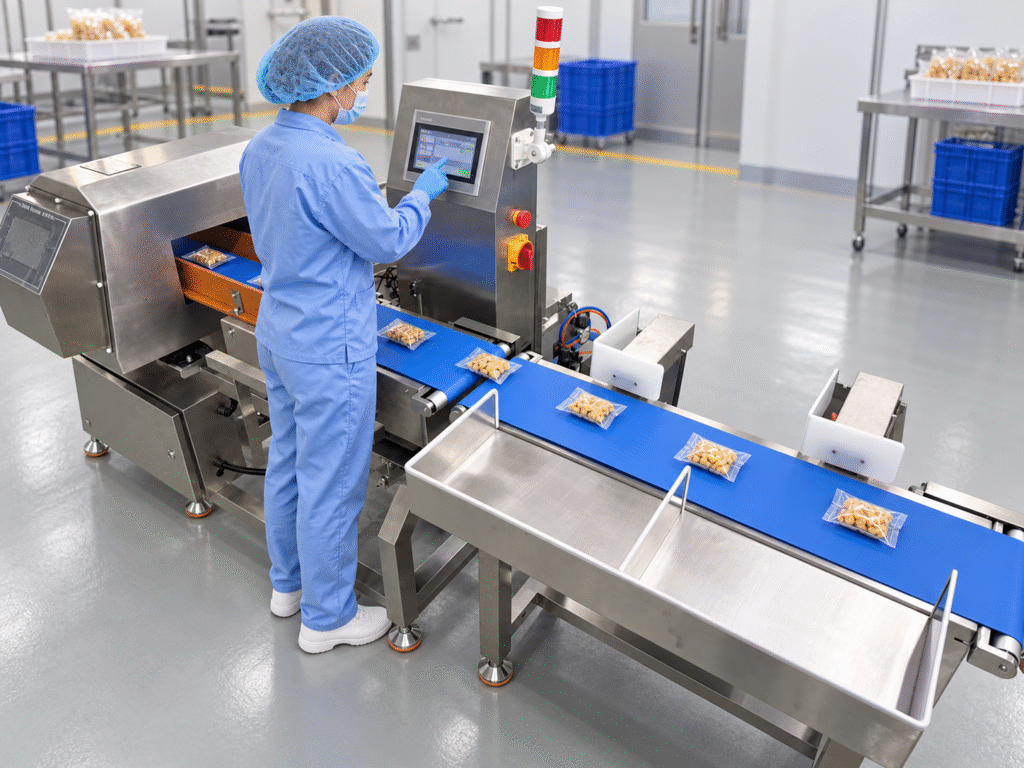
What Problems Can the Combination System Control?
Metal contamination
Metal fragments can enter a product through raw materials, worn processing equipment, maintenance work or damaged packaging machinery. The metal-detection section is intended to identify and trigger rejection of contaminated products. Actual sensitivity depends on the metal type, aperture size, product composition, packaging, orientation and production environment. Wet, salty, oily or frozen products can generate a stronger product effect, so results should be established with representative samples rather than an empty-belt value.
Underweight, overweight and incomplete packages
The dynamic weighing section compares every product with the approved weight window. It can remove packs that contain too little product, prevent excessive giveaway caused by overfilling, and identify some empty or incomplete packages. Whether a missing component can be detected depends on whether its weight is large enough to stand out from normal product and packaging variation. Very small missing components may require vision or X-ray inspection instead.
When Does a Metal Detector and Checkweigher Combination Make Sense?
An integrated system is a strong option when metal detection and weight verification are required at the same production stage. This is common after final packaging, where each sealed pack must be checked for metal contamination and confirmed against its permitted weight before entering a carton or shipment.
The arrangement is particularly practical when factory floor space is limited. Combining both functions can remove duplicated conveyor transitions, reduce the total line length and simplify coordination between sensors and reject devices. It can also give operators one defined inspection station instead of two separately installed machines.
In most standard applications, purchasing an integrated metal detector and checkweigher is usually more cost-effective than buying two separate machines and connecting them on site. The combined design can reduce duplicated conveyors, frames, controls, installation work and line-integration costs. However, the final price still depends on the product, inspection requirements, reject configuration and level of customization.
A combination system is most suitable when:
- The same finished product requires both metal inspection and weight control.
- Both inspections can operate at a compatible conveyor speed.
- Products arrive individually with stable orientation and spacing.
- The available production-line length is restricted.
- The factory wants one supplier to coordinate conveying, tracking, controls and rejection.
- Inspection records need to distinguish contamination events from weight deviations.
When Are Separate Machines the Better Choice?
Separate machines are more appropriate when the ideal inspection points are not the same. A metal detector may need to inspect product before packaging or before a contaminant can be fragmented by further processing, while the checkweigher may need to verify the finished package at the end of the line. Combining them would force one inspection into the wrong position.
Independent units may also be preferable when the two processes need different product handling, belt speeds or cleaning procedures. A long, heavy or unstable package may require a larger weighing platform, while the metal detector may need a smaller aperture to achieve the desired sensitivity. If a factory expects to upgrade, move or replace one inspection technology without changing the other, separate machines can provide greater long-term flexibility.
Combination System vs Separate Machines
| Selection factor | Combination system | Separate machines |
|---|---|---|
| Inspection position | Best when both checks belong at one point | Best when checks belong at different process stages |
| Floor space | Usually more compact with fewer transition conveyors | Usually requires more line length |
| Purchase and integration cost | Usually more economical for a standard dual-inspection requirement | May duplicate frames, conveyors, controls and installation work |
| Product tracking | Coordinated within one inspection line | Requires correct transfer and synchronization between units |
| Maintenance | Stopping the line can interrupt both inspections | Each machine can be serviced more independently |
| Future upgrades | Changes must fit the integrated structure | Either technology can be replaced separately |
The Reject System Must Match the Product
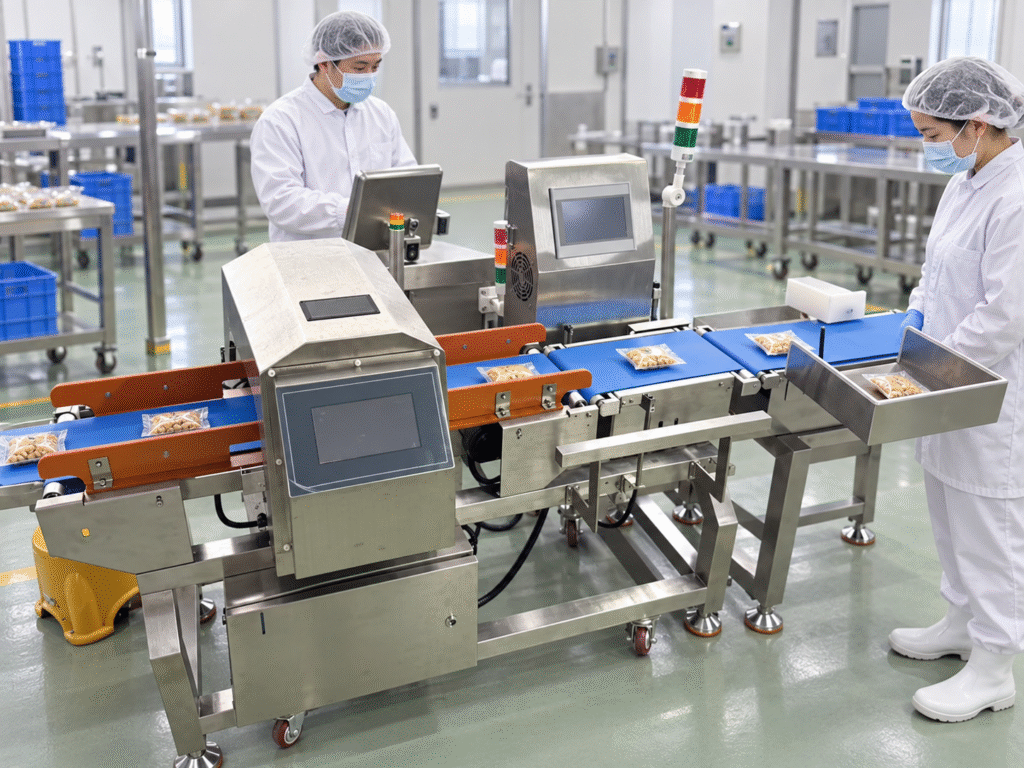
Reliable detection is incomplete unless the rejected product is physically removed and contained. Lightweight, stable packs may suit an air-blast or compact pusher arrangement, while heavier or fragile products may need a swing arm, flap, belt-stop or other controlled method. The correct choice depends on product weight, packaging rigidity, line speed, available space and the direction in which rejected packs can safely travel.
A shared reject point can make the machine shorter and simpler, but the system still needs to identify why each product failed. Separate reject mechanisms or separate locked collection bins make it easier to distinguish a possible metal-contamination event from an underweight or overweight package. That distinction supports faster investigation and prevents a food-safety reject from being treated as an ordinary filling adjustment.
What Must Be Confirmed Before Selecting a System?
The machine should be configured around the real product rather than selected from a single headline accuracy value. The supplier needs the product name, normal weight, permitted weight range, package length, width and height, packaging material, line speed and expected spacing. Product temperature, moisture, salt, oil and other characteristics that may influence metal detection should also be disclosed.
The line layout is equally important. Confirm the available installation length, conveyor height, transfer direction, upstream and downstream machines, reject direction, collection-bin access, electrical supply, compressed-air availability and cleaning requirements. If the factory needs batch reports, user access levels, data export, reject confirmation or communication with another controller, those functions should be agreed before production.
Why Actual Product Testing Matters
Empty-machine sensitivity and catalogue weighing accuracy do not guarantee the same result on a production line. Metal-detection performance changes with product effect, aperture size, packaging and contaminant orientation. Dynamic weighing changes with product stability, belt speed, spacing, vibration, airflow, temperature and the relationship between the product length and weighing conveyor.
A representative sample test is therefore the basis of a responsible proposal. Testing should use the actual packaged product, expected production speed, agreed metal test pieces and realistic weight limits. It should confirm not only that the sensors respond, but that the correct pack is rejected under normal operating conditions. For difficult products or variable conditions, the test should include the least favorable product state likely to occur in production.
JINDUN supplies complementary food inspection solutions, but the final equipment arrangement should always follow the product, contamination risk and production process. A combination system is valuable when it brings two necessary inspections together without compromising either one.
Discuss Your Product on WhatsApp Email Felix Li
Phone / WhatsApp: +86 137 1200 7104
Email: sales08@jindunmachinery.com
FAQs