
Weight Sorting Machines for Food and Agricultural Products: Multi-Level Grading Solutions

What is the difference between a checkweigher and a weight sorter? A checkweigher is designed to verify that products fall within an acceptable weight range and reject off-spec items. A weight sorter (or grading machine) goes a step further—it classifies products into multiple weight categories (e.g., small, medium, large) for different markets or price tiers. JINDUN offers both solutions […]
Aluminum Foil Metal Detector vs Standard: 5 Critical Differences
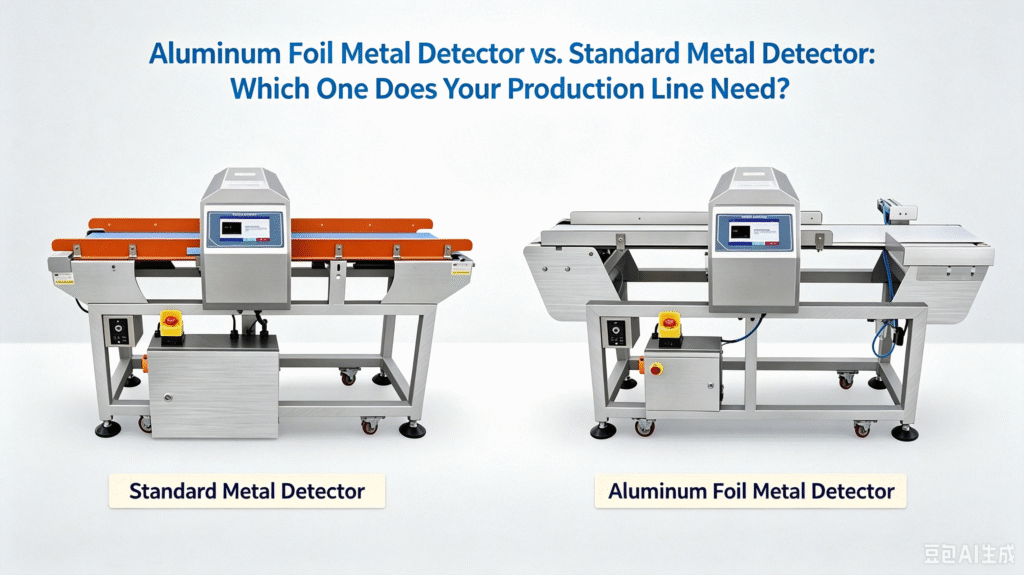
Table of Contents What is the difference between a foil detector and a standard detector? A standard metal detector uses basic electromagnetic field detection, which works well for non-foil products but fails with aluminum packaging because the foil creates overwhelming interference. A foil metal detector, by contrast, uses advanced digital signal processing, phase suppression technology, […]
X-Ray Foreign Body Detection Machine: Beyond Metal Detection for Comprehensive Quality Assurance
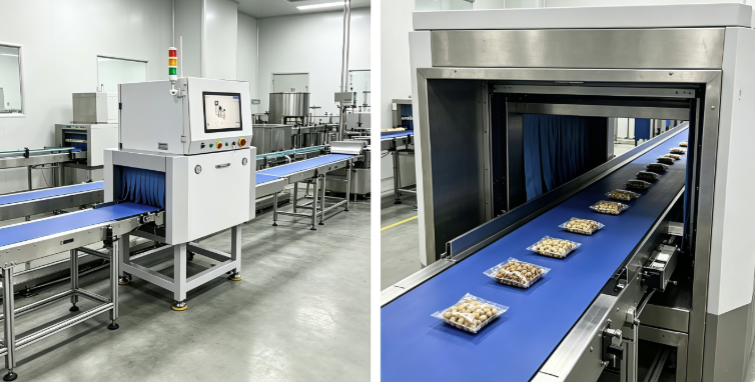
Can X-ray systems replace metal detectors? No. X-ray and metal detection serve different roles. Metal detectors are highly effective for ferrous and non-ferrous metal contaminants and remain essential for regulatory compliance in many applications. X-ray adds comprehensive foreign body detection—including glass, stone, bone, and dense plastics—plus quality checks like fill level and seal integrity. Many […]
How JINDUN Weight Sorting Machines Help the Food Industry Cut Costs and Ensure Quality

Table of Contents What is the difference between a checkweigher and a weight sorter? A checkweigher is designed to verify that products fall within an acceptable weight range and reject off-spec items. A weight sorter (or grading machine) goes a step further—it classifies products into multiple weight categories (e.g., small, medium, large) for different markets or price tiers. JINDUN […]
How to Choose a Food Metal Detector: 7 Essential Factors
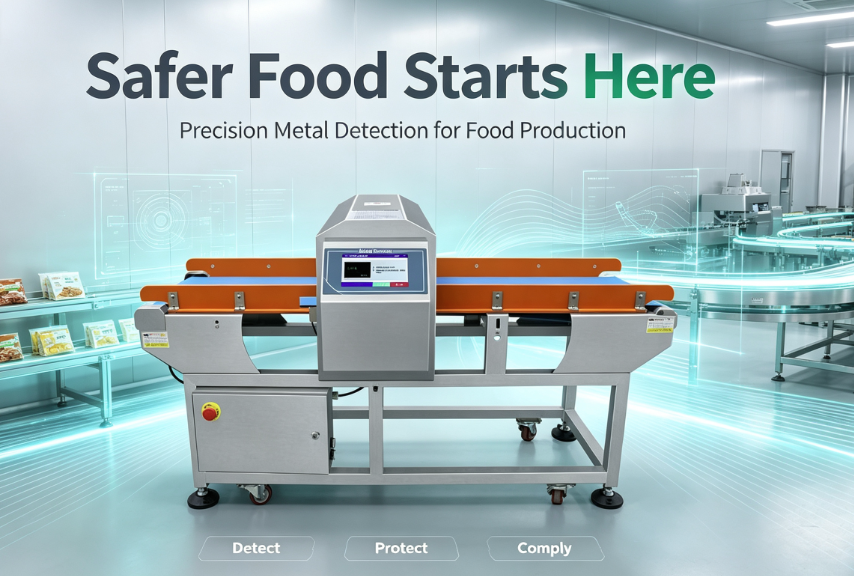
Table of Contents What sizes of metal can a food metal detector detect? Detection size depends on metal type, product effect, and aperture size. Typical practical sensitivity ranges are: ferrous metals 0.8–2.0 mm, non-ferrous metals 1.5–3.0 mm, and stainless steel 2.0–5.0 mm. Always validate sensitivity on your actual products at intended line speeds before purchasing. […]