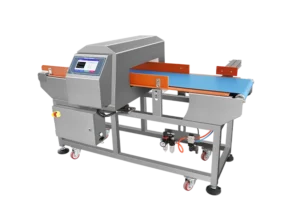
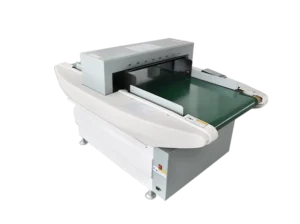
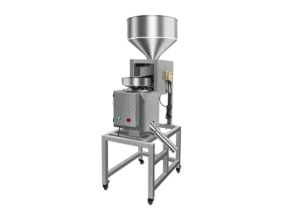
Metal contamination can cause costly production delays, product recalls, and brand reputation damage in the textile and garment industry. Implementing advanced metal detection technology ensures consistent quality and protects both equipment and end consumers.
Why Metal Detection Matters in Textile and Garment Production
Metal detection plays a crucial role throughout the textile supply chain. From raw material inspection to final product verification, it helps prevent contamination and ensures compliance with international safety standards.
Let’s explore how advanced detection solutions enhance quality control across different stages of textile and garment production.
Detecting Metal Contamination in Fabric Processing
Metal fragments can enter fabric during the weaving, cutting, or sewing processes. These contaminants may damage machinery or end up in finished garments.
By installing industrial metal detectors in key stages, manufacturers can identify and remove metallic particles before further processing — ensuring a clean and safe production line.
Protecting Sewing and Embroidery Equipment
Needles and other small metallic parts often break during sewing or embroidery operations. Detecting and removing these broken pieces prevents machine damage and product rejection.
A Needle Detector is specifically designed for this purpose, scanning garments and fabric rolls for even the tiniest metal fragments.
Ensuring Final Product Quality and Compliance
Textile brands serving export markets must comply with stringent safety regulations. Integrating metal detection systems into final inspection stations helps ensure every piece leaving the factory is contamination-free.
This not only meets compliance standards but also strengthens buyer trust and brand reliability.
Integrating Metal Detection with Modern Textile Lines
Today’s textile factories demand automation and precision.
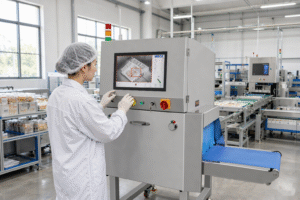
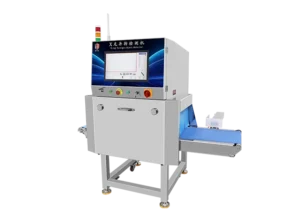
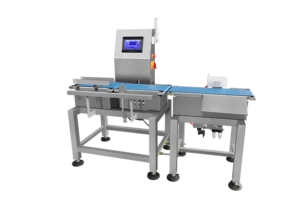
Integrating metal detectors with conveyor systems, labelers, and reject mechanisms helps streamline inspection while maintaining high throughput. For example, pairing detection units with X-Ray Inspection Equipment can provide a dual layer of quality assurance — ideal for high-value or technical garments.
Optimizing Sensitivity and Calibration
Different textiles have varying densities and moisture levels, which can affect detection accuracy.
Regular calibration ensures consistent performance across different fabric types. Modern systems automatically adjust sensitivity based on product effect, minimizing false alarms and improving detection reliability.
Ensuring Long-Term Efficiency in Textile Inspection
To maintain system accuracy, regular maintenance and operator training are key.
Routine testing with calibrated metal samples and timely equipment servicing helps prevent performance drift.
For tailored inspection solutions designed for textile and garment applications, you can contact Jindun Elec to discuss your production requirements.
FAQs about Metal Detection in Textile and Garment Production