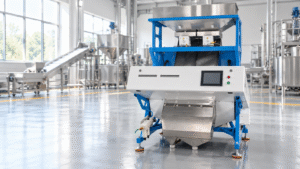
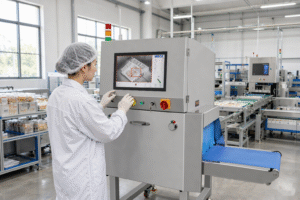
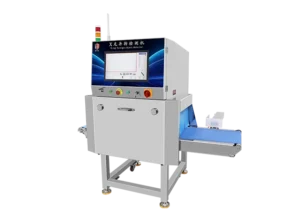
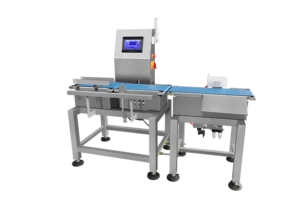
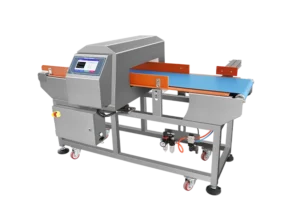
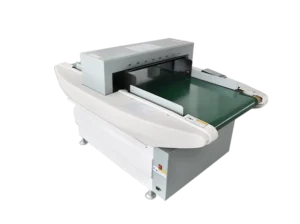
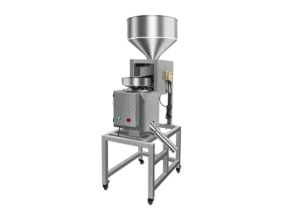
False rejects in metal detection systems are a common challenge in industrial production lines. When a good product is mistakenly rejected, it can lead to unnecessary waste, increased costs, and reduced production efficiency. Understanding why false rejects occur helps manufacturers optimize their detection systems, minimize downtime, and maintain compliance. Advanced solutions, such as food metal detectors and X-ray Inspection Equipment, play a key role in reducing these errors.
What Are False Rejects?
A false reject occurs when a metal detection system incorrectly identifies a non-contaminated product as containing metal. Unlike true positives, where actual metal is detected, false rejects are triggered by factors unrelated to the presence of metal. Reducing these errors is essential for maintaining product quality, production efficiency, and regulatory compliance.
Common Causes of False Rejects
Product Effect
Product characteristics, such as moisture content, salt levels, and temperature, can create signals that mimic metal contamination. High-salt foods, wet products, or frozen items are particularly prone to triggering false rejects.
Packaging Interference
Packaging materials like metalized films, foil, or thick wrappers can distort detection signals. Improper packaging can increase false rejects if the system is not properly adjusted to accommodate the materials.
Environmental Factors
Vibrations from conveyors, electromagnetic interference from nearby equipment, and temperature fluctuations can all affect detection accuracy. A stable operating environment is crucial to maintaining consistent sensitivity.
Detector Settings and Calibration
Incorrect frequency, phase, or threshold settings can result in frequent false rejects. Regular calibration and verification are critical to ensure the detector maintains its optimal performance.
Conveyor and Product Alignment Issues
Products that are misaligned or spaced inconsistently can affect the detection signal. High-speed lines also increase the likelihood of false rejects if the detector or conveyor system is not properly configured.
How to Reduce False Rejects
Proper Calibration and Maintenance
Routine calibration using certified test pieces ensures the detector performs accurately. Scheduled maintenance prevents signal drift and reduces the risk of false positives.
Adjusting Sensitivity for Each Product Type
Fine-tuning detection parameters based on product composition and packaging helps minimize errors while maintaining high sensitivity.
Environmental Management
Stabilizing conveyors, reducing vibrations, and managing electromagnetic interference are essential steps to improve detection reliability.
Operator Training
Well-trained operators understand how to adjust settings and monitor systems for different products, helping prevent unnecessary false rejects.
Advanced Detection Technologies
Using advanced systems like Food Metal Detectors and X-ray Inspection Equipment allows manufacturers to maintain high sensitivity while significantly reducing false rejects.
Impact of Reducing False Rejects
Minimizing false rejects improves production efficiency by reducing waste and avoiding unnecessary downtime. It also ensures compliance with safety standards, maintains product quality, and protects brand reputation.
Partnering with Jindun Elec for Accurate Detection
Addressing false rejects requires the right combination of equipment, calibration, and expertise. Jindun Elec provides advanced detection systems designed to maintain optimal sensitivity and accuracy across industrial lines. To learn how our solutions can help reduce false rejects and improve your production efficiency, Contact Us today for tailored guidance.
FAQs about False Rejects in Metal Detection Systems