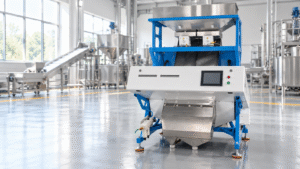
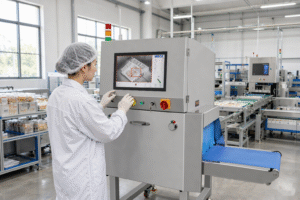
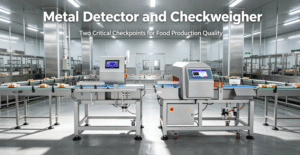
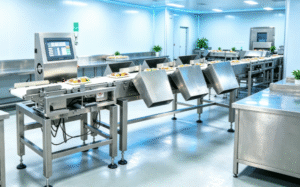
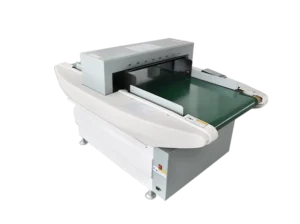
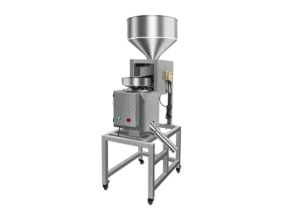
Food safety is a top priority in industrial food production. Metal contaminants not only pose a risk to consumers but also threaten equipment and production efficiency. Food Metal Detectors are essential tools for identifying and removing metal fragments before they compromise quality, compliance, or machinery. This article explores what a Food Metal Detector is, how it works, and why it is indispensable in modern food processing.
Understanding Food Metal Detectors and Their Purpose
In food production, preventing metal contamination protects both products and equipment. Understanding the basics of metal detection helps operators optimise installation and operation.
Definition and core function of a Food Metal Detector
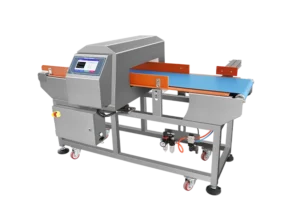
A Food Metal Detector is a device designed to identify and remove metallic contaminants from food products. Its primary function is to scan materials as they pass through a production line, detecting ferrous, non-ferrous, and stainless steel fragments to ensure safety and compliance.
Why Food Metal Detectors are critical for food safety
Industrial regulations, such as FDA, HACCP, and ISO standards, mandate strict metal detection in food processing. Beyond compliance, Food Metal Detectors protect machinery, maintain product quality, and preserve brand reputation by preventing contamination from reaching consumers.
Types of Food Metal Detectors
Different food processing applications require different detector technologies:
- Single-frequency detectors for standard applications
- Multi-frequency detectors for high-moisture or complex products
- Needle Detectors for identifying small or sharp fragments
- Selecting the right type depends on product characteristics, line speed, and contamination risk.
How Food Metal Detectors Work in Production Lines
Knowing how a detector works allows operators to optimise placement and performance for maximum reliability.
Detection principles: electromagnetic field and signal processing
Metal detectors generate an electromagnetic field. When a metal fragment passes through, it disturbs the field, creating a signal. Advanced electronics analyse this disturbance to distinguish contaminants from product “noise.”
Sensitivity adjustment and calibration
Product size, moisture content, and conductivity affect detection sensitivity. Regular calibration ensures the detector identifies contaminants while minimising false rejects, maintaining consistent performance across varying product lines.
Integration with production equipment
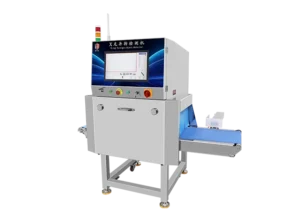
For optimal contamination control, Food Metal Detectors are often integrated with X Ray Inspection Equipment and upstream Metal Separators. This layered approach combines preventive separation with final-stage verification, reducing risk while maintaining production efficiency.
Benefits of Using Food Metal Detectors
Proper deployment of Food Metal Detectors offers advantages beyond regulatory compliance.
Protecting consumers and ensuring compliance
Detecting metal fragments prevents potential health hazards, recalls, and regulatory penalties. Compliance with international standards is easier to maintain when detectors are properly installed and calibrated.
Reducing equipment wear and unexpected downtime
Metal fragments can damage grinders, mixers, and conveyors. By intercepting metal early, Food Metal Detectors reduce wear and prevent costly downtime caused by damaged machinery.
Minimising product recalls and operational losses.
Early detection prevents contaminated products from reaching consumers, reducing the need for rework, scrap, or recalls. This contributes directly to operational efficiency and cost savings.
Conclusion: Key Takeaways on Food Metal Detectors
Understanding the role and operation of a Food Metal Detector is essential for modern food production. When combined with preventive solutions like Metal Separators, detectors safeguard both products and equipment while ensuring regulatory compliance.
For industrial operations looking to enhance contamination control and reduce risks, Contact Jindun Elec to discuss customised solutions for your production line.
FAQs about Food Metal Detectors