Investing in the right industrial metal detector is critical for factories aiming to maintain product safety, comply with regulations, and ensure smooth production. Choosing an unsuitable system can lead to contamination risks, production downtime, or costly recalls. This guide helps you navigate the essential factors before making your investment.
Why Investing in the Right Metal Detector Matters
Selecting the correct metal detection system is more than just a purchase decision — it affects your factory’s safety, compliance, and efficiency.
Compliance and Safety Considerations
Proper metal detection ensures that your products meet safety standards for industries like food processing, pharmaceuticals, and textiles. Using the right equipment reduces the risk of contamination and supports regulatory compliance.
Minimizing Production Risks
Incorrectly specified systems can trigger false rejects, slow down production lines, or even cause product recalls. Factories that invest in the appropriate detector type experience fewer interruptions and maintain consistent product quality.
Key Features to Evaluate Before Buying
Understanding technical specifications is essential for selecting a detector that fits your production needs.
Detection Sensitivity
Sensitivity ratings determine how small a metal particle the system can detect. Factors like metal type — ferrous, non-ferrous, or stainless steel — and product effect (moisture or salt content) directly impact detection accuracy.
Aperture Size and Conveyor Compatibility
The detector’s aperture must accommodate your product size while maintaining optimal line speed. Oversized or undersized apertures can reduce sensitivity or cause frequent false rejects.
Single-Frequency vs Multi-Frequency Systems
Single-frequency detectors work well for uniform products, while multi-frequency systems handle complex or mixed-product lines, providing more reliable detection for challenging items.
Environmental and Product Factors
Moisture, salt, and conductive packaging can influence performance. Advanced systems compensate for these effects to maintain detection accuracy.
Types of Industrial Metal Detectors
Different applications require specific detector types to maximize efficiency and safety.
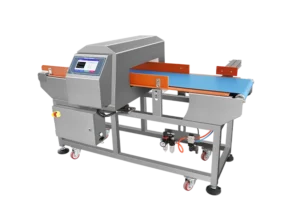
Food Metal Detectors
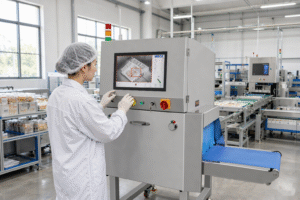
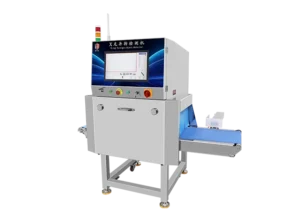
Ideal for packaged and bulk food products, Food Metal Detectors ensure contaminants are caught before reaching consumers, maintaining both quality and regulatory compliance.
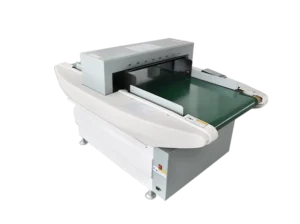
Needle Detectors
Needle Detectors are designed for textiles and garments, detecting broken needles or metal fragments that could compromise product safety.
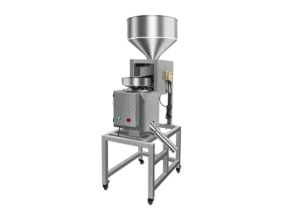
Pipeline and Bulk Material Detectors
For raw material handling or processing plants, pipeline and bulk detectors provide continuous monitoring and prevent contamination from entering the production flow.
Installation, Calibration, and Maintenance Tips
Even the best metal detector requires proper installation and upkeep for consistent performance.
Installation Guidelines
Position detectors correctly on the line, ensure proper grounding, and integrate with other production equipment to optimize performance.
Calibration Best Practices
Routine testing with metal test pieces and multi-frequency calibration ensures the detector maintains peak sensitivity over time.
Maintenance Recommendations
Regular cleaning, inspection, and preventive maintenance reduce downtime and extend the equipment’s service life.
Choosing the Right System for Your Factory
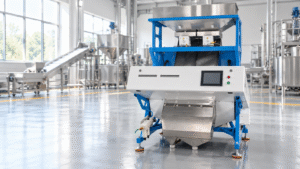
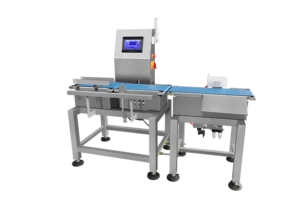
Matching the detector type, sensitivity, and size to your specific production line is key. Whether it’s Food Metal Detectors, Needle Detectors, or Metal Separators, selecting a system that aligns with your product type and industry requirements ensures reliable detection and minimal disruption.
Enhancing Factory Quality Control with Jindun Elec Solutions
A thoughtfully chosen industrial metal detector strengthens your factory’s quality control, minimizes contamination risks, and supports compliance.
For expert guidance and a tailored solution, contact Jindun Elec or explore more inspection solutions at Jindun Elec.
FAQs about Buying Industrial Metal Detectors