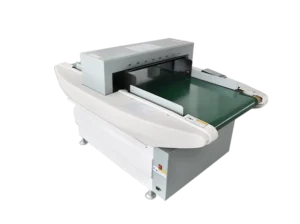
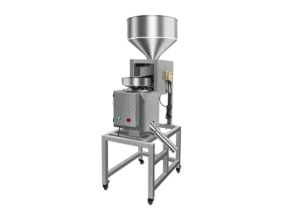
Ensuring food safety is a top priority for manufacturers, and metal detection plays a critical role in protecting consumers, maintaining compliance, and safeguarding brand reputation. Contaminants, such as metal fragments from machinery or broken tools, can compromise product safety and lead to regulatory penalties or product recalls.
Jindun Elec Food Metal Detectors are designed to provide reliable detection across a wide range of food products and production environments. Understanding how metal detection works, its challenges, and best practices ensures your production line remains safe, efficient, and compliant.
Importance of Metal Detection in Food Safety
Protecting Consumers from Contamination
Metal detectors prevent physical contamination in both packaged and unpackaged food products, detecting foreign metal fragments that could cause harm or complaints.
Regulatory Compliance
Compliance with standards such as HACCP, FDA, BRCGS, and ISO 22000 is essential. Properly implemented metal detection systems support audits, documentation, and traceability.
Maintaining Brand Reputation
By avoiding recalls and ensuring consistent product quality, manufacturers strengthen consumer trust and reduce liability risks.
Types of Metal Detection Systems for Food Production
Food Metal Detectors
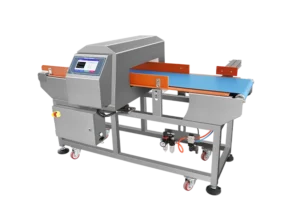
Food Metal Detectors are optimized for various food types, including frozen, wet, dry, and bulk products. They compensate for product effects, such as moisture, density, and temperature variations, ensuring accurate detection without unnecessary rejects.
Industrial Metal Detectors
Industrial Metal Detectors handle high-speed, large-scale production lines. They can detect metal contaminants in bulk ingredients while maintaining production efficiency.
Complementary X-Ray Inspection Equipment
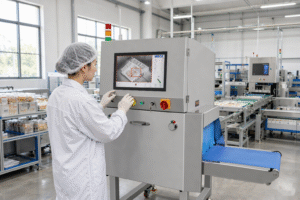
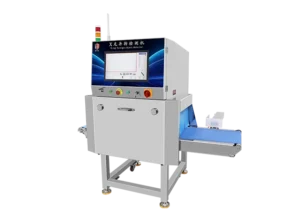
X-Ray Inspection Equipment is used for dense or multi-layer packaging where metal detection alone may not suffice, providing an additional layer of safety.
Factors Affecting Metal Detection Accuracy in Food Lines
Product Effect
Moisture, density, temperature, and conductivity can interfere with detector signals, potentially causing false rejects or missed contaminants.
Packaging Materials
Foil, plastic, and multi-layer films can alter detection sensitivity, requiring appropriate compensation and calibration.
Line Speed and Product Placement
High-speed conveyors, overlapping items, and irregular product shapes can create inconsistent readings, affecting accuracy.
Calibration and Maintenance
Regular testing and proper calibration using representative samples ensure detectors perform reliably and maintain compliance.
Best Practices for Ensuring Safety and Compliance
Detector Selection
Choose the detector type that matches your product, packaging, and line speed. High-risk or high-volume lines often benefit from Food Metal Detectors or Industrial Metal Detectors.
Proper Calibration and Testing
Calibrate detectors regularly with actual production samples and document the results to meet audit and traceability requirements.
Integrating with Quality Systems
Incorporate detectors into HACCP and other quality management systems. Utilize data logging and alarms for rapid corrective actions when contaminants are detected.
Case Studies and Real-World Applications
Packaged Food Production
Frozen meals, snacks, and beverages can be effectively inspected using Food Metal Detectors, ensuring safety without compromising production speed.
Bulk Ingredients Handling
Powders like flour, sugar, and cocoa are accurately inspected with Industrial Metal Detectors, minimizing downtime and rejects.
Multi-Layer or Foil Packaging
Advanced detectors handle complex packaging while maintaining high detection sensitivity, reducing false rejects, and ensuring compliance.
Enhancing Food Safety with Jindun Elec Solutions
Jindun Elec provides advanced product effect compensation, high-speed reliability, and modular design, making them ideal for a wide range of food production lines.
Contact Us to discuss the optimal metal detection solution for your food manufacturing needs.
FAQs about Metal Detection in the Food Industry