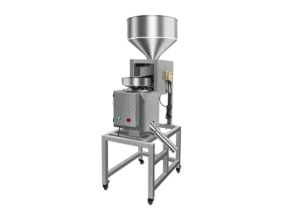
In today’s manufacturing landscape, ensuring contamination-free products is critical to maintaining brand reputation and meeting global safety standards. Two major inspection technologies dominate the market — metal detectors and X-ray inspection systems. Both play vital roles in industrial quality control, but understanding their differences helps factories choose the most efficient, cost-effective, and compliant solution.
Understanding the Working Principles
To determine which inspection system suits your factory best, it’s important to first understand how each technology operates and detects contaminants.
How Metal Detectors Work
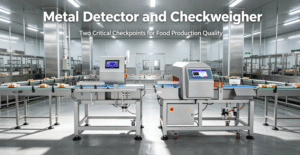
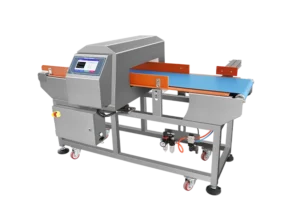
Industrial metal detectors operate using electromagnetic fields that react to metal contaminants. When a metallic object enters the detection zone, it disrupts the magnetic field, triggering an alarm or automatic rejection.
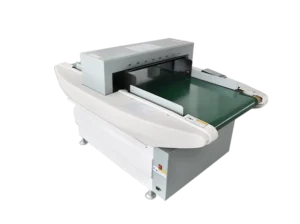
They are effective for detecting ferrous, non-ferrous, and stainless-steel particles, widely applied in Food Metal Detectors and Needle Detectors across industries like food, textiles, and plastics.
How X-Ray Inspection Works
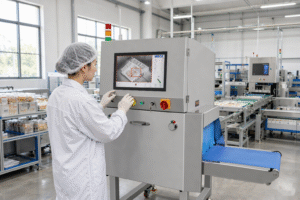
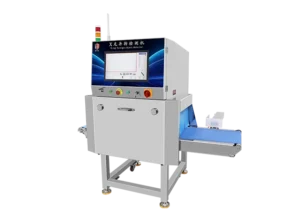
X-Ray Inspection Equipment uses density-based detection instead of magnetic properties. It identifies variations in material density to locate contaminants — including metal, glass, bone, and dense plastic — even in foil or metalized packaging. This makes it ideal for complex or high-value production lines requiring deeper inspection precision.
Key Differences Between Metal Detection and X-Ray Inspection
Both systems serve the same purpose — contamination prevention — but differ in sensitivity, cost, and operational compatibility.
This clear comparison shows that while metal detectors excel in basic contamination detection, X-ray systems deliver broader, more advanced inspection for complex applications.
Which System Fits Your Factory’s Needs?
Your ideal choice depends on the type of products you handle, the packaging materials used, and the level of contamination risk you need to manage.
When to Choose Metal Detectors
If your products are dry, non-metallic, or packaged in simple materials, metal detectors offer reliable, affordable protection. They are highly effective for bulk or dry food products, textiles, and plastics manufacturing.
When to Choose X-Ray Systems
If your production involves metallic packaging, or if you need to detect non-metal contaminants like bone or glass, X-Ray Inspection Equipment is the superior option. It’s also favored in the pharmaceutical and electronics sectors where precision and compliance are critical.
Combining Both Technologies
For factories seeking complete quality assurance, integrating both systems provides unmatched reliability. Many manufacturers use metal detectors for initial screening and X-ray inspection for final-stage verification.
Jindun Elec offers integrated inspection solutions that combine these two technologies for optimized production safety and efficiency.
Enhancing Factory Quality Control with Smart Integration
Selecting the right detection technology is essential for consistent product quality and compliance. Whether your factory requires a cost-effective metal detection system or an advanced X-ray solution, Jindun Elec delivers precision-engineered equipment to meet your operational needs.
For professional guidance and tailored recommendations, contact us or learn more at Jindun Elec.
FAQs about Metal Detector vs X-Ray Inspection