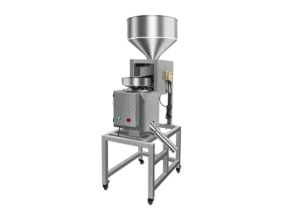
Maintaining consistent product quality in the plastic industry is crucial for safety, efficiency, and compliance. Metal contamination in raw materials, pellets, or molded parts can lead to product defects, machinery damage, or costly recalls.
Jindun Elec Industrial Metal Detectors and Metal Separators provide reliable detection solutions that help plastic manufacturers maintain quality control, reduce waste, and comply with industrial standards. Understanding how metal detectors work and how to implement them effectively is essential for any modern production line.
The Role of Metal Detectors in Plastic Manufacturing
Preventing Contamination
Metal detectors identify foreign metal fragments in raw materials, pellets, and finished products. This prevents defects, protects equipment, and ensures that products leaving the factory are safe and reliable.
Ensuring Product Consistency
By detecting metal contamination early, manufacturers can reduce production downtime, scrap, and rework, maintaining consistent quality across all batches.
Supporting Compliance and Standards
Proper metal detection helps manufacturers meet ISO and other industry standards, providing documentation for audits and traceability to maintain regulatory compliance.
Types of Metal Detection Equipment for Plastic Lines
Industrial Metal Detectors
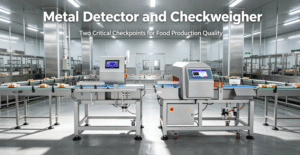
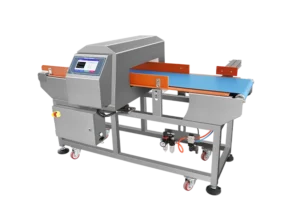
Industrial Metal Detectors are ideal for high-speed plastic production lines. They accurately detect metal in bulk materials, pellets, and extruded or molded products without slowing production.
Metal Separators
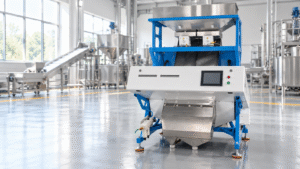
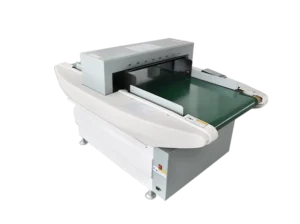
Metal Separators are commonly used in raw material inspection and recycling streams. They protect machinery and prevent contamination in the production process.
Complementary X-Ray Inspection Equipment
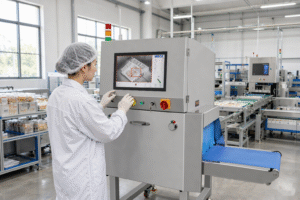
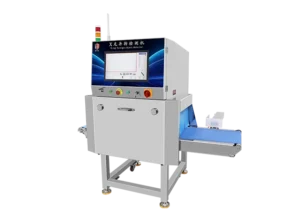
X-Ray Inspection Equipment can detect metal in dense or complex products where standard metal detectors may struggle, providing an additional safety layer.
Factors Affecting Detection Accuracy in Plastic Production
Product Effect
Density, moisture content, and additives in plastic materials can interfere with metal detection, potentially causing false rejects or missed contaminants.
Conveyor Speed and Product Placement
High-speed production lines and irregularly shaped products can impact detection reliability. Proper spacing and alignment are essential for consistent performance.
Packaging and Processing
Extruded, molded, or laminated plastic products may require specific detection settings to ensure accurate results.
Calibration and Maintenance
Regular testing using representative product samples ensures detectors perform reliably and maintain compliance over time.
Best Practices for Improving Quality Control
Selecting the Right Detector
Choose a detector based on material type, production scale, and contamination risk. High-risk or high-volume lines benefit from Industrial Metal Detectors or Metal Separators.
Regular Calibration and Testing
Perform calibration and testing with actual production materials to maintain high sensitivity and minimize false rejects.
Integrating Detection into Quality Systems
Combine metal detection with overall QA/QC procedures. Utilize alarms and data logging for quick corrective actions when contaminants are detected.
Real-World Applications in Plastic Production
Raw Material Inspection
Detect contaminants in pellets, powders, and recycled plastics before entering production. Metal Separators are particularly effective for recycling streams.
Extrusion and Molding Lines
Ensure finished products are free from metal fragments before packaging or shipment, maintaining quality and compliance.
Recycling Streams
Protect machinery and reduce contamination risks by inspecting recycled plastics with Industrial Metal Detectors or Metal Separators.
Enhancing Quality Control with Jindun Elec Solutions
Jindun provides high accuracy, product effect compensation, and modular design, making them ideal for plastic production lines.
Contact Jindun Elec to discuss the best metal detection solution for your plastic manufacturing process.
FAQs about Metal Detection in the Plastic Industry