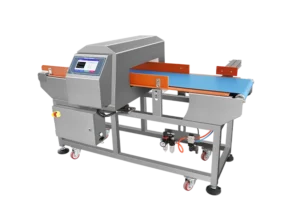
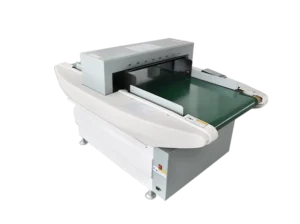
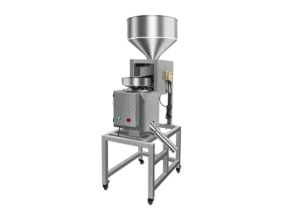
High-speed production lines present unique challenges for food safety and operational efficiency. As throughput increases, the risk of metal contamination slipping past detection rises. Optimising Food Metal Detectors is essential to maintain product safety, minimise false rejects, and ensure continuous production. Jindun Elec provides industry-leading solutions tailored to high-speed applications, helping manufacturers achieve reliable performance.
Why High-Speed Production Lines Pose Unique Challenges for Metal Detection
High-speed lines move products faster than standard systems, which can reduce detector response time. Factors such as vibrations, product spacing, and varying product types (wet, frozen, or sticky) complicate detection. Standard settings often fail to maintain accuracy under these conditions, making optimisation essential for reliable operation.
Key Factors Affecting Food Metal Detector Performance
Product Characteristics
Moisture, density, and packaging materials can mask metal contaminants. Adaptive detection settings and multi-frequency capabilities are crucial to account for product variability and maintain sensitivity.
Detector Sensitivity and Frequency Settings
Multi-frequency Food Metal Detectors allow operators to fine-tune detection for different product types, improving accuracy without increasing false rejects. Proper calibration ensures reliable performance even at high line speeds.
Conveyor Speed and Line Configuration
Belt speed, alignment, and product flow significantly affect detection. Adjusting conveyor integration and maintaining consistent product spacing are essential for optimal metal detection.
Environmental Conditions
Temperature, humidity, and vibration can affect detector performance. Preventive adjustments and regular monitoring help maintain stable operation across various production environments.
Best Practices to Optimise Detection Accuracy on Fast Lines
Optimising metal detection requires a combination of preventive measures, proper equipment configuration, and operational awareness.
Regular Calibration and Testing
Routine calibration is critical for maintaining detector sensitivity. Jindun Elec offers guidance and solutions to ensure your Food Metal Detectors remain accurately tuned for high-speed operations.
Optimal Detector Placement
Positioning detectors strategically within the line maximises coverage and detection probability. Common placement includes upstream of sensitive equipment and just before packaging stages.
Combining Metal Detection with Other Safety Measures
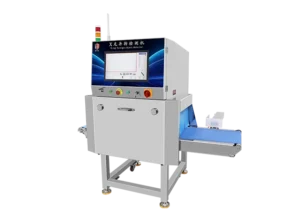
Integrating Food Metal Detectors with complementary solutions, such as metal separation systems or Ray Inspection Equipment, creates a layered contamination control strategy that minimises risk while preserving production efficiency.
Case Example: Improving Metal Detection on a High-Speed Snack Production Line
A leading snack manufacturer experienced frequent false rejects and missed contaminants at 200 units per minute. By adjusting sensitivity settings, recalibrating multi-frequency detectors, and optimising detector placement, the facility reduced false rejects by 35% while improving overall detection accuracy. This case demonstrates the real-world benefits of properly optimising Food Metal Detectors.
Tips for Maintenance and Continuous Performance Monitoring
Consistent performance requires both routine maintenance and proactive monitoring.
Scheduled Maintenance
Regular cleaning, inspection, and mechanical checks help prevent buildup or misalignment that could reduce detection accuracy.
Continuous Monitoring and Alerts
Sensor feedback and automated alerts allow operators to detect performance drops immediately. Integration with industrial control systems ensures real-time monitoring and quick corrective actions.
Conclusion: Maximising Food Metal Detector Performance in High-Speed Lines
Optimising food Metal Detectors in high-speed production lines is essential to prevent contamination, reduce false rejects, and maintain smooth operations. By addressing product characteristics, detector settings, conveyor integration, and environmental factors, manufacturers can achieve reliable performance even under demanding conditions.
For customised solutions and expert guidance on Food Metal Detectors, Contact Jindun Elec today.
FAQs about Food Metal Detector Optimisation on High-Speed Lines