
A pipeline metal detector checks food while it is being pumped through a closed production line. For sauces, soups, dairy products and pastes, this can provide a practical inspection point before filling. The right system must fit the recipe and the process: pipe diameter, flow rate, pressure, temperature, cleaning conditions and the way contaminated product will be diverted all matter.
Start with those operating conditions when comparing equipment. A small detection aperture can support good sensitivity, but it still has to pass the required product volume without creating an unacceptable restriction. A detector that identifies a test piece is only part of the solution; the reject valve must also remove the affected product reliably at the flow conditions your factory actually uses.
How a Pipeline Metal Detector Works
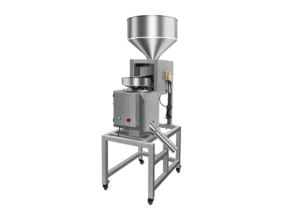
In a typical arrangement, the pump moves product through a food-contact, nonmetallic inspection tube inside the detector aperture. The surrounding sanitary line can remain stainless steel, but the section within the detection field must suit the inspection technology. The detector monitors changes in its electromagnetic field and triggers the configured response when a metal signal exceeds the validated threshold. A downstream diversion valve can redirect the affected portion into a controlled reject container.
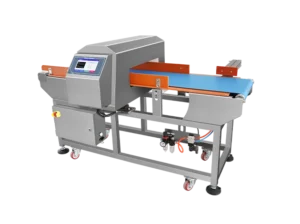
This is different from passing sealed packs through a conveyor food metal detector. A pipeline system tracks flowing material rather than individual packages. Its timing must account for the distance between detection and diversion, the product velocity and valve response. The controller and valve arrangement should be evaluated together.

When Pipeline Inspection Fits the Production Process
A pipeline metal detector is useful when a food remains pumpable at the proposed inspection point and the factory can collect rejects without losing control of the remaining flow. Typical applications include smooth sauces, jams, dairy mixtures, soups and suitable meat pastes. Products containing fruit pieces, vegetables or other inclusions need special attention: the inspection tube and valve must pass those ingredients without trapping or damaging them.
Placement should follow the contamination risks in the actual process. Inspection after a pump or mixer may help control metal originating from that equipment, but any later machine can introduce another risk. A pipeline inspection point before filling therefore does not automatically replace final-pack inspection. Review the whole process, including filling, capping and packaging, before deciding how the inspection stages should work together.
For foods packed in conductive materials, checking the product before packaging may be useful. However, the factory still needs to assess contamination that could occur after that check. JINDUN’s food inspection applications provide a starting point for discussing how different inspection stages can support the same production line.
Select the Pipe Size Around Flow and Product Behavior
Pipe diameter and required throughput
Provide the existing pipe dimensions, connection type and required flow range when requesting a proposal. Nominal pipe size alone may not describe the usable internal passage. The supplier also needs to understand the narrowest passage through the inspection tube and reject valve, especially when a sauce contains solid ingredients. A proposed reduction in bore should be checked against pumping requirements rather than accepted simply because it promises higher sensitivity.
For an initial engineering discussion, volumetric flow and internal pipe area can be used to estimate average product velocity: velocity equals volumetric flow divided by internal cross-sectional area. This estimate helps explain why changing the bore or increasing output affects reject timing. Actual operation can involve pump pulsation and uneven flow, so a calculated average is not a substitute for a production test.
Viscosity, inclusions and recipe changes
A thin liquid and a thick sauce may require different handling even when the target output is the same. Tell the supplier whether the product is smooth, contains particles, changes consistency with temperature, or tends to settle during a pause. If several recipes share the line, describe the full range. The valve should handle the most difficult recipe expected in normal production, and any changes in detector settings should be included in the changeover procedure.
Pressure, Temperature and Cleaning Must Be Confirmed Together
Give the equipment supplier both normal operating pressure and the maximum pressure the system may experience. The inspection tube, seals, fittings and reject valve must be suitable for those conditions. Product temperature can also differ from cleaning temperature. A system selected for a chilled filling process may still encounter a much hotter cleaning cycle, so checking only the temperature of the food leaves an important part of the specification unresolved.
If the factory uses cleaning in place, specify the cleaning sequence, chemical agents, concentrations, duration, temperature and pressure. Ask which components are compatible with the cycle and which require removal or separate cleaning. An enclosure washdown rating describes protection against water ingress; it does not by itself prove that food-contact parts are suitable for a particular cleaning or sterilization process.
Maintenance access deserves the same attention as the nominal footprint. Operators need space to inspect seals, reach the valve, remove approved components and handle reject containers. Pipe supports should prevent the inspection assembly from carrying unintended mechanical loads. These details should appear in the proposed installation drawing before the equipment is ordered.
The Reject Valve Is Part of the Inspection System
The reject arrangement must divert the affected product at the right moment and return to normal flow predictably. A valve that works well with a smooth liquid may not be suitable for a chunky sauce. Compare passage size, response, product compatibility, cleaning access and how the rejected material will be contained. Where pneumatic actuation is used, confirm the air requirements and the agreed response to loss of air or electrical power.
Reject duration creates a practical tradeoff. A longer diversion may remove more good product, while an interval that is too short may fail to contain the affected portion. Approximate diverted volume can be discussed as volumetric flow multiplied by diversion time, but pump behavior and switching characteristics affect the actual result. Set the interval from verified performance across the agreed flow range.

What to Send Before Requesting a Quotation
A useful quotation begins with the process information the factory already has. Product photographs and a short video of the proposed installation point help explain the space, pipe orientation and operator access. Combine them with the operating conditions below so the proposal can address both detection and integration.
| Information | What to provide | Why it matters |
|---|---|---|
| Product and recipe | Ingredients, consistency, inclusions and recipe variation | Defines handling and sample-test conditions |
| Pipe and fittings | Internal diameter, connection standard and existing layout | Determines how the assembly joins the line |
| Flow and pump | Minimum and maximum output, pump type and stop/start behavior | Supports valve selection and timing evaluation |
| Pressure and temperature | Normal operation, maximum conditions and cleaning cycle | Supports selection of tube, seals and valve |
| Inspection target | Required metal types and proposed test-piece sizes | Establishes what the sample test must demonstrate |
| Utilities and records | Power, air supply, alarms and reporting needs | Defines the agreed control configuration |
When throughput is supplied in kilograms per hour, include product density if a volumetric-flow calculation is needed. Also explain whether the stated output is continuous, a maximum rating or an average across intermittent filling. These are different conditions for an inspection and diversion system.
Validate Performance With the Actual Food
Foods with high moisture or salt content can generate a product signal that influences achievable detection sensitivity. Recipe and temperature changes may also affect performance. Ask for a sample test using the food in its intended condition, and agree the metal types, test-piece sizes and operating range before treating a sensitivity value as an acceptance requirement.
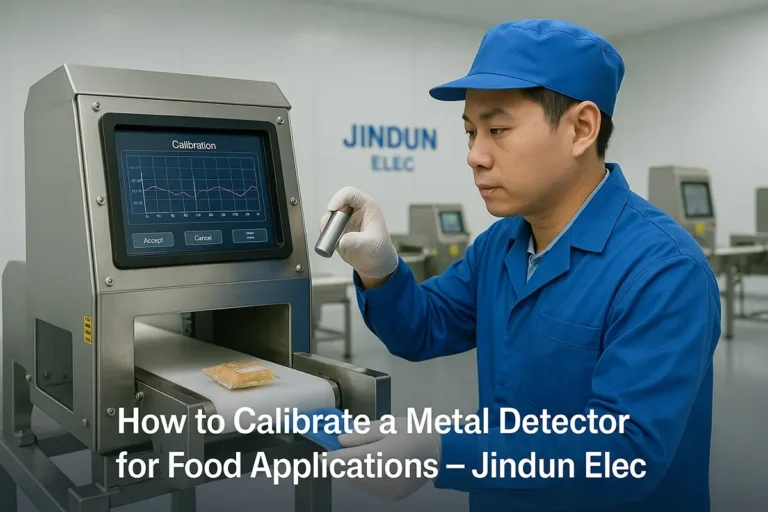
The evaluation should include successful removal of test material, not just a screen alarm. Plan an approved method for introducing and recovering test pieces without releasing them into saleable product. Check performance under the agreed flow conditions and document the response to relevant faults, such as a valve that does not move as expected. Verification during routine production should follow the factory’s risk assessment and operating procedure.
Separate product requirements from catalogue claims in the final agreement. The proposal should identify the chosen configuration, conditions under which performance was demonstrated, acceptance criteria and any remaining limitations. This gives purchasing, production and quality staff a common basis for evaluating the equipment.
Discuss a Pipeline Metal Detector for Your Product
Send Felix Li your product name, pipe dimensions, flow range, pressure, temperature and a photo of the proposed inspection point. Include your target metal test sizes and cleaning method. JINDUN can review the requirements and discuss an inspection arrangement suitable for your process.
Contact Felix on WhatsApp
Send an Email
Phone / WhatsApp: +86 137 1200 7104
Email: sales08@jindunmachinery.com
FAQs