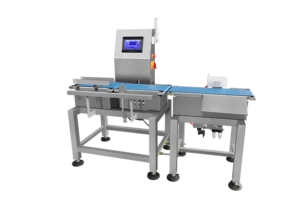
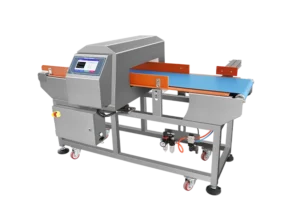
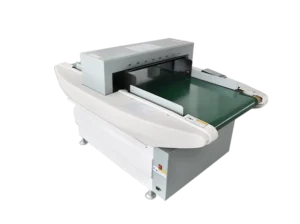
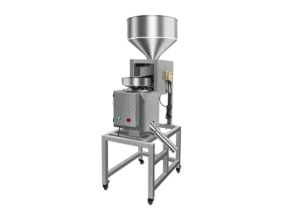
In industrial production lines, especially in food, pharmaceutical, and packaging industries, the product effect plays a critical role in determining the accuracy of metal detection. Certain product characteristics—like moisture, density, temperature, and packaging materials—can interfere with a detector’s electromagnetic signals, leading to false rejects or missed contaminants.
Advanced solutions like Jindun Elec Food Metal Detectors are designed to handle these challenges, ensuring reliable detection even in complex product scenarios. Understanding the product effect and implementing proper strategies is essential for maintaining safety, compliance, and product quality.
Understanding Product Effect in Metal Detection
Definition of Product Effect
Product effect refers to the interference caused by product properties that mimic or distort the signal of metallic contaminants. Factors like high moisture content, temperature variation, dense ingredients, or conductive packaging can generate signals similar to metals, affecting detector sensitivity.
How Product Effect Impacts Detection Accuracy
When the product effect is significant, detectors may:
- Fail to detect small metal particles (reduced sensitivity)
- Trigger false rejects (erroneous alarms)
- Disrupt production flow due to inconsistent detection
Properly managing product effect ensures consistent detection and minimizes unnecessary waste.
Key Factors Contributing to Product Effect
Product Composition
Ingredients with high conductivity or ferrous content can affect electromagnetic fields, altering detection sensitivity.
Temperature and Moisture
Hot, frozen, or wet products produce signals that may mask contaminants, requiring compensation adjustments.
Packaging Materials and Size
Foil, thick films, and multilayer packaging can create interference, making it harder for detectors to distinguish metal from the product.
Product Shape and Placement on Conveyor
Irregular shapes or overlapping items can cause inconsistent readings, especially on high-speed lines.
(Related product: Food Metal Detectors are designed to compensate for such variations.)
Strategies to Minimize Product Effect
Detector Sensitivity Adjustment
Modern detectors include product effect compensation features. Calibrating with representative samples ensures accurate detection despite challenging product properties.
System Design Considerations
Proper conveyor speed, product spacing, and alignment help maintain signal consistency. Integrating with PLC systems enhances synchronization and reduces false alarms.
Environmental Controls
Maintaining stable temperature, controlling humidity, and reducing vibration improves detection accuracy across production lines.
Advanced Detection Solutions
High-performance systems like Jindun Elec Industrial Metal Detectors and Food Metal Detectors are engineered to automatically compensate for product effect, reducing manual adjustments.
Real-World Applications and Case Studies
Food Industry Example
Wet sauces, frozen items, and high-moisture products are effectively inspected with product effect compensation features, ensuring safety without unnecessary rejects.
Pharmaceutical Example
Tablets and capsules with layered coatings can be accurately detected, preventing metal contamination in sensitive batches.
Packaging and Multilayer Products
Foil, plastic, and multilayer packaging do not compromise detection when using advanced compensation technologies.
(Optional internal link: X-Ray Inspection Equipment for enhanced inspection of complex products.)
Optimizing Metal Detection Accuracy with Jindun Elec Solutions
Understanding and mitigating product effects is crucial for reliable metal detection. By selecting properly calibrated detectors and leveraging advanced technology, production lines can reduce false rejects, maintain compliance, and ensure consistent quality.
Jindun Elec Industrial Metal Detectors Manufacturer prprovidesovide modular, calibration-friendly designs with smart product effect compensation. Contact Jindun Elec to discuss customized solutions tailored to your production line.
FAQs about Product Effect in Metal Detection