Types of Metal Separators Used in Recycling Lines
Metal contamination is unavoidable in modern recycling operations. Mixed waste streams often contain ferrous and non-ferrous metals of different sizes, shapes, and conductivities. To protect equipment and maximize material value, recycling facilities rely on a range of metal separation technologies rather than a single device.
Understanding the different types of metal separators used in recycling lines helps engineers and plant managers design more efficient systems and make better equipment decisions.
What Are Metal Separators in Recycling Lines
Before exploring individual technologies, it is important to clarify what metal separators do in a recycling context.
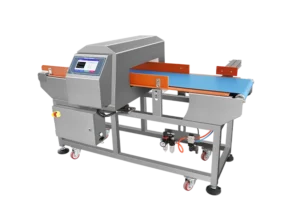
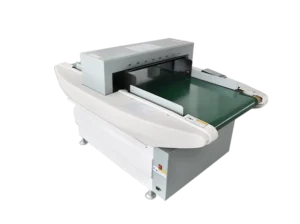
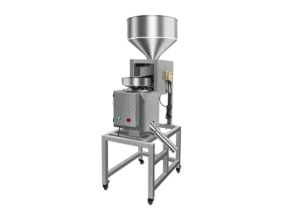
Metal separators are industrial systems designed to remove unwanted or valuable metal components from mixed material flows. In recycling plants, Metal Separator systems are typically installed at critical points in the line to extract metals, protect downstream machines, and improve the purity of recovered materials.
Unlike detection-only equipment, metal separators physically separate metals from the product stream, allowing continuous processing without stopping the line.
Why Different Types of Metal Separators Are Needed
Recycling lines handle highly variable materials, which explains why multiple separation technologies are often required.
Material Diversity in Recycling Streams
Recycled materials can include plastics, rubber, wood, glass, and minerals mixed with ferrous and non-ferrous metals. These metals vary greatly in size, conductivity, and magnetic properties, making it impossible for one separator type to handle every scenario effectively.
Process Stages in Recycling Lines
Separation requirements also change depending on the processing stage. Pre-shredding separation focuses on equipment protection, while post-shredding separation aims to maximize recovery rates and material purity. Each stage places different demands on metal separation equipment.
Common Types of Metal Separators Used in Recycling Lines
With these challenges in mind, recycling plants typically rely on several proven metal separation technologies.
Magnetic Separators for Ferrous Metals
Magnetic separators are used to remove ferrous metals such as iron and steel. They employ permanent magnets or electromagnets to attract and extract magnetic materials from the flow.
In recycling lines, magnetic separation is often the first step, removing large ferrous pieces before shredding. This protects crushers and grinders from damage and reduces maintenance downtime.
Eddy Current Separators for Non-Ferrous Metals
Eddy current separators target non-ferrous metals such as aluminum and copper. By generating a rapidly changing magnetic field, these systems induce electrical currents in conductive metals, causing them to be repelled from non-metallic materials.
This technology is widely used after shredding, where smaller non-ferrous particles need to be recovered efficiently. Eddy current separation plays a key role in increasing the economic value of recycled output.
Sensor-Based Metal Separators
Sensor-based separators use advanced detection technologies to identify metals based on conductivity, density, or signal response. These systems are especially useful when dealing with complex or mixed material streams.
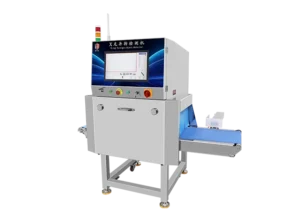
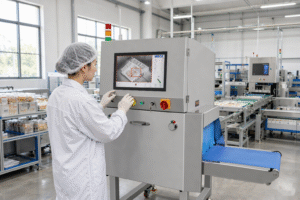
In higher-end recycling lines, sensor-based separation may be combined with X Ray Inspection Equipment to achieve more precise classification and higher purity levels.
How Metal Separators Are Combined in a Recycling Line
In real-world applications, metal separators rarely operate alone. Instead, they are integrated into multi-stage separation systems.
Typical Multi-Stage Separation Layout
A common configuration starts with magnetic separation to remove ferrous metals, followed by eddy current separation for non-ferrous recovery. This layered approach improves efficiency and reduces the load on each individual system.
Integration with Other Sorting Equipment
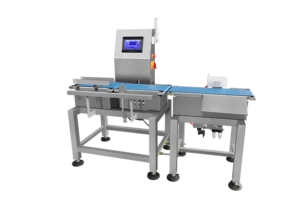
Metal separation is often coordinated with additional sorting technologies. For example, combining metal separators with a Weight Sorting Machine allows facilities to further classify materials based on density or mass, improving overall recovery performance.
Key Factors When Selecting Metal Separators for Recycling Applications
Choosing the right metal separation setup requires more than understanding the available technologies.
Material Characteristics
Factors such as particle size, moisture content, and contamination levels directly affect separation performance. Accurate material analysis is essential before selecting equipment.
Throughput and Line Speed
Recycling plants must balance separation accuracy with throughput. Equipment must be matched to conveyor speed and processing capacity to avoid bottlenecks.
Installation and Maintenance Considerations
Space constraints, ease of maintenance, and long-term operating costs all influence system selection. A well-integrated Metal Separator solution delivers better reliability and lower total cost of ownership over time.
Improving Recycling Efficiency Through Proper Metal Separation
Effective metal separation has a direct impact on operational efficiency and profitability.
Equipment Protection and Downtime Reduction
Removing metals early in the process prevents damage to shredders, crushers, and downstream machinery, reducing unplanned downtime and repair costs.
Enhancing Material Recovery Value
Higher separation accuracy leads to cleaner output streams and increased resale value of recovered materials. Over time, these gains significantly improve the economic performance of recycling operations.
Conclusion
Different types of metal separators serve different roles in recycling lines, from protecting equipment to maximizing material recovery. Understanding how magnetic, eddy current, and sensor-based systems work together enables more efficient line design and better long-term results.
For tailored recycling inspection and separation solutions, explore the capabilities of Jindun Elec or reach out to Contact Jindun Elec to discuss how the right metal separation strategy can support your operation.
FAQs
What metals can be separated in recycling lines?
Recycling lines commonly separate ferrous metals such as iron and steel, as well as non-ferrous metals like aluminum and copper, depending on the separation technology used.
Can one metal separator handle all metal types?
No. Different metals require different separation principles. Most recycling lines use multiple metal separators to achieve optimal results.
Where should metal separators be installed in a recycling line?
They are typically placed before shredding for equipment protection and after shredding for material recovery and purification.
How do eddy current separators differ from magnetic separators?
Magnetic separators target ferrous metals using magnetic attraction, while eddy current separators remove non-ferrous metals through induced electrical currents.
How often do metal separators need maintenance?
Maintenance frequency depends on operating conditions, but regular inspection and cleaning are recommended to maintain stable separation performance.
Share With
Related Articles


Hot Products