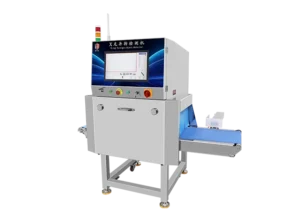
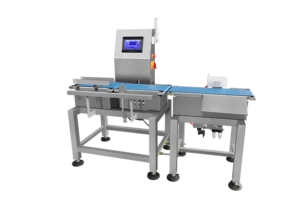
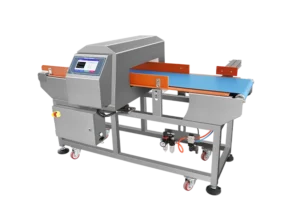
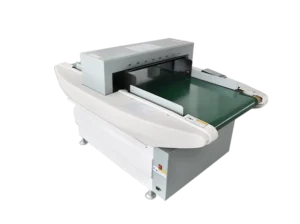
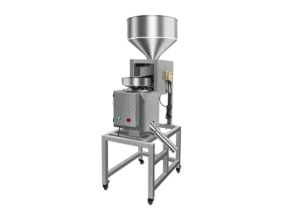
Most factories first introduce X-ray systems to catch metal fragments. But modern X Ray Inspection Equipment is designed to do far more than replace a metal detector. It enables manufacturers to “see” inside sealed products, revealing hidden risks that surface-level inspection can never find.
From glass shards in jars to missing components in multipacks, X-ray inspection transforms quality control from external screening into true internal verification.
How X Ray Inspection Equipment Sees Inside Products
To understand what X-ray can detect, it’s important to understand how it works.
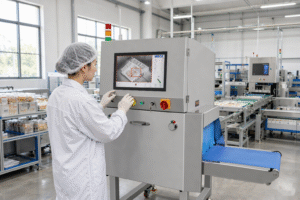
Unlike metal detectors that rely on electrical conductivity, X Ray Inspection Equipment analyzes density differences inside a product. As items pass through the inspection tunnel, X-rays penetrate the package and form an image based on how much radiation different materials absorb.
Density-Based Imaging vs. Conductivity Detection
- Dense materials absorb more energy and appear darker
- Less dense materials appear lighter
- Internal structures become visible regardless of material type
This principle allows X-ray systems to detect both metallic and non-metallic objects, as well as internal defects inside sealed packaging.
Why This Expands Inspection Capabilities
Because detection is based on density rather than conductivity, X-ray systems are not limited to metals. They reveal what is actually inside every product, even after it is fully packed.
Non-Metal Contaminants X Ray Inspection Equipment Can Detect
With this imaging method, X-ray inspection identifies many foreign objects that traditional systems miss.
Before breaking these down, it’s important to note that these risks occur in real production—often after packaging.
Glass Fragments
Broken containers and damaged jars can introduce glass shards into beverages, sauces, or preserves. These fragments are invisible to metal detectors but clearly visible on X-ray images.
Stones, Sand, and Mineral Debris
Raw agricultural materials often carry stones or grit. X-ray inspection finds these dense particles in grains, vegetables, and frozen foods.
Bones and Shells
Deboning processes are never perfect. X-ray systems detect residual bones in poultry, fish, and ready meals, reducing injury risk and recalls.
Dense Plastics and Rubber Parts
Broken machine components, packaging debris, or seals may enter the product stream. These materials bypass metal detection but are captured by X-ray.
Detecting Internal Product Defects, Not Just Contamination
Beyond foreign objects, X-ray reveals whether the product itself is correct.
Before looking at examples, remember that these checks occur after packaging—when visual inspection is impossible.
Missing Items in Multipacks
X-ray verifies the number of items in sealed trays, kits, or cartons, preventing underfilled shipments.
Fill Level and Voids
The system detects underfilled containers, air pockets, or collapsed sections inside packaging.
Structural Damage
Crushed contents, broken components, or deformed products become visible even when outer packaging appears perfect.
Why Metal Detectors Alone Are Not Enough
Metal detection remains essential, but it has unavoidable blind spots.
Metal detectors cannot identify glass, stone, bone, ceramics, or dense plastics. These materials account for a growing share of contamination incidents.
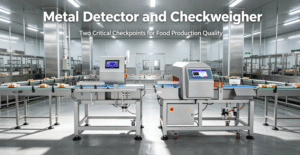
This is why many modern plants combine Food Metal Detectors with X-ray Inspection Equipment—using metal detection for conductivity-based risks and X-ray for full internal visibility.
Industries That Benefit Most from X-Ray Beyond Metal
The value of non-metal detection is clearest in high-risk sectors.
Food Processing and Ready Meals
Complex recipes and sealed trays require internal inspection.
Meat, Poultry, and Seafood
Bone fragments remain a primary cause of injuries and complaints.
Pharmaceutical and Medical Products
Count accuracy and internal integrity are regulatory requirements.
Packaging and Co-Packing Operations
Multipacks demand verification that every unit is present and intact.
When X Ray Inspection Equipment Becomes a Strategic Upgrade
Factories typically move to X-ray when:
- Customer complaints increase
- Recalls become costly
- Audits reveal hidden risks
- Product complexity rises
These moments expose the limits of surface-level inspection.
X-ray marks a shift from “checking the outside” to understanding what is truly inside every product.
Seeing Beyond Metal
X Ray Inspection Equipment uncovers risks that metal detectors cannot—transforming contamination control into complete product integrity management. It reveals non-metal contaminants, verifies internal structure, and ensures every sealed product meets both safety and quality expectations.
For manufacturers ready to move from surface screening to full internal verification, Contact Jindun Elec to design an inspection strategy aligned with real production risks.
FAQs