
Pipeline Metal Separators: How to Remove Metal Contaminants from Bulk Materials Before They Reach Your Equipment
What types of metals can a pipeline metal separator detect?
Pipeline metal separators detect ferrous metals (iron, steel), non-ferrous metals (copper, aluminum, brass, lead), and stainless steel—including difficult grades like 304 and 316.
Can a pipeline metal separator handle dusty or high-temperature materials?
Yes. JINDUN pipeline metal separators feature sealed sensors and robust construction for continuous operation in demanding environments. The operating temperature range is -10°C to +50°C.
How often should I maintain my pipeline metal separator?
The system is virtually maintenance-free under normal operation. Routine visual checks and periodic calibration are recommended. The 304 stainless steel construction makes cleaning easy.
What is the difference between a pipeline metal separator and a metal detector?
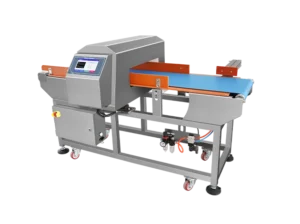
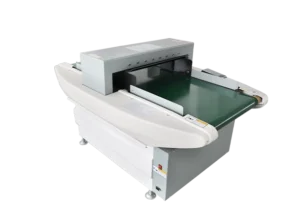
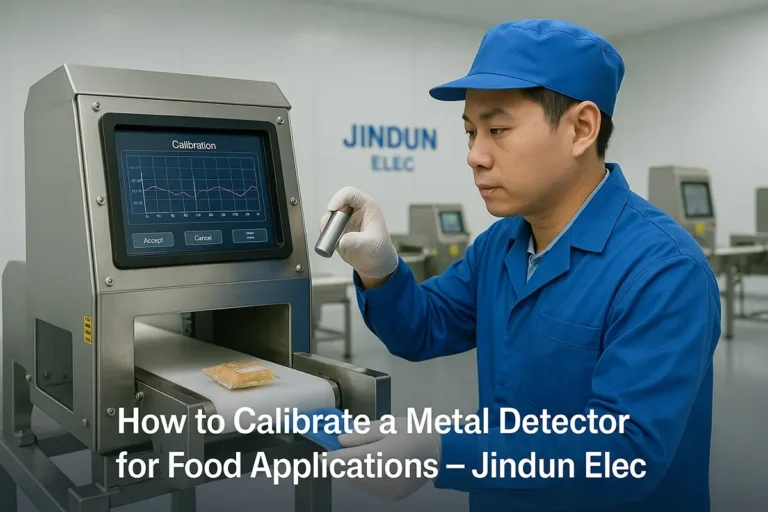
A pipeline metal separator is designed for bulk materials in free-fall or pneumatic lines, removing contaminants before they reach processing equipment. A metal detector inspects finished or packaged products on a conveyor. Both serve different but complementary roles.
Introduction
Pipeline metal separators are essential inline inspection devices used in plastics, pharmaceuticals, food, and chemical production. They automatically detect and separate all types of metal contaminants—including ferrous and non-ferrous metals such as copper, aluminum, and stainless steel—from free-flowing raw materials. With fast separation speeds, high detection accuracy, and easy installation, these systems protect your downstream equipment and ensure product purity.
Unlike metal detectors that inspect finished products at the end of the line, pipeline metal separators work upstream—capturing contaminants before they enter extruders, injection molding machines, grinders, or packaging lines. The result? Protected machinery, cleaner products, fewer stoppages, and significant cost savings.
What Is a Pipeline Metal Separator and How Does It Work?
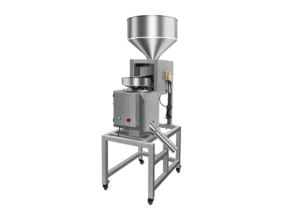
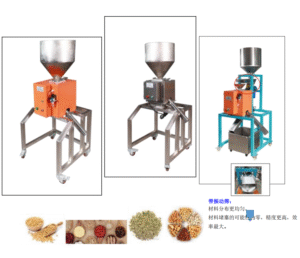
A pipeline metal separator (also known as a free-fall metal separator) is installed in gravity-fed or pneumatic conveying systems. Bulk materials—powders, granules, pellets, and regrind—flow through the separator’s detection zone, where a high-frequency electromagnetic field identifies metal contaminants. When metal is detected, a pneumatic rejection mechanism instantly diverts the contaminated material into a separate container, while clean material continues downstream.
How It Works
-
Material Flow: Bulk material falls freely through the separator’s inlet
-
Detection: An electromagnetic field detects ferrous, non-ferrous, and stainless-steel particles
-
Rejection: A fast-acting pneumatic diverter removes the contaminated material
-
Recovery: Clean material continues to downstream equipment without interruption
Key Advantages
-
Smart detection: Switch on and start running—convenient, fast, and maintenance-free
-
Reliable performance: Special structural design ensures stability and effectively avoids interference from mechanical vibration
-
Fast automatic rejection: Compared with traditional manual inspection, removal is faster, improving production efficiency and material utilization
-
Maximum detection accuracy: Improves product quality while reducing maintenance costs and downtime losses for downstream equipment like injection molding machines and grinders
-
Wide sensitivity adjustment: Customizable solutions for different applications
-
Durable construction: 304 stainless steel, hygienic and easy to clean
-
Compact design: Easy to install and operate
Why Pipeline Metal Separators Matter
Protect Expensive Downstream Equipment
Processing machines like extruders, injection molding units, mixers, and crushers are highly sensitive to metal contamination. Even a small stainless-steel or non-ferrous particle can damage screw and barrel assemblies, score mold surfaces, or cause catastrophic equipment failure. Pipeline metal separators act as the first line of defense, removing contaminants before they reach critical machinery.
Ensure Raw Material Purity and Final Product Quality
Contaminants that survive upstream processing end up in finished products—leading to customer complaints, brand damage, and costly recalls. Pipeline metal separators help you achieve practically metal-free bulk material, ensuring final products meet quality specifications and regulatory compliance.
Reduce Production Line Downtime and Maintenance
Unplanned downtime is every production manager’s worst enemy. When metal contaminants cause equipment jams or failures, entire lines can stop for hours. By preventing contamination-related breakdowns, pipeline metal separators deliver fewer unplanned stoppages, lower maintenance costs, and higher overall equipment effectiveness.
Meet Stringent Industry Standards
Regulatory bodies and retailers demand documented foreign body control programs. Pipeline metal separators provide auditable proof of contamination control, data logging for traceability, and compliance with HACCP, BRCGS, IFS, and FSSC 22000. For industries like pharmaceuticals and electronics, where purity standards are exceptionally high, metal separators are often mandatory.
Key Applications Across Industries
Plastics & Recycling
Removing metal from regrind, pellets, and virgin material before injection molding or extrusion. Protects screws, barrels, and molds from damage.
Food Processing
Inspecting flour, spices, grains, powders, and sugar. Ensures product safety and compliance with food safety standards.
Pharmaceuticals
Ensuring raw material purity for tablets, capsules, and powder formulations. Meets stringent GMP requirements.
Chemicals
Protecting reactors, dosing equipment, and mixers from metal contamination in powders and granules.
Packaging
Inspecting bulk materials before they enter packaging lines. Prevents contaminated products from reaching consumers.
JINDUN Pipeline Metal Separators: Precision Protection for Bulk Materials
JINDUN offers a comprehensive range of pipeline metal separators designed for high-sensitivity detection and automatic separation of ferrous, non-ferrous, and stainless-steel contaminants from bulk materials.
Key Features
| Feature | Benefit |
|---|---|
| High-sensitivity detection | Detects ferrous particles as small as Φ0.3mm, copper Φ0.4mm, and stainless steel Φ0.6mm |
| Electromagnetic wave detection | Advanced coil technology with digital signal processing |
| Fast auto-reject system | 0.3–5 second rejection time with minimal good product loss |
| 304 stainless steel frame | Hygienic, corrosion-resistant construction (JD-906 series) |
| PLC intelligent control | Real-time monitoring, counting, and reject signaling |
| Sound and light alarm | Immediate operator notification with automatic rejection |
| Multiple diameter options | Φ25mm to Φ100mm to suit different throughputs |
| Vibration feeder option | Ensures uniform material distribution, zero clogging, maximum accuracy |
Pipeline Metal Separator vs. Metal Detector: What’s the Difference?
| Factor | Pipeline Metal Separator | Metal Detector |
|---|---|---|
| Material type | Bulk materials (powders, granules, pellets) | Finished or packaged products |
| Installation point | Upstream—before processing equipment | Downstream—after production |
| Primary goal | Protect equipment + ensure material purity | Inspect final products before shipping |
| Product loss | Minimal—only contaminated material removed | Rejects entire package |
| Detection method | Electromagnetic wave | Electromagnetic field |
Best practice: Many manufacturers use both—pipeline metal separators upstream to protect equipment and ensure raw material purity, and metal detectors downstream for final product verification.
How to Choose the Right Pipeline Metal Separator
1. Material Type and Flow Rate
Select a model with a diameter and throughput that matches your production requirements. Smaller diameters offer higher sensitivity for low-volume, high-value materials. Larger diameters handle higher throughputs.
2. Detection Sensitivity Requirements
Determine the smallest contaminant size you need to detect. JINDUN offers detection down to Φ0.3mm ferrous, Φ0.4mm copper, and Φ0.6mm stainless steel on the smallest model.
3. Installation Environment
Consider whether your line is gravity-fed or pneumatic, the available space, and whether a vibration feeder is needed for uniform material distribution.
4. Hygiene and Construction
For food, pharmaceutical, and chemical applications, choose the 304 stainless steel model (JD-906 series) for hygiene and corrosion resistance.
5. Integration Requirements
Ensure the separator supports the output signals you need—counting signals, reject signals, and alarm outputs for integration with your production management system.
Conclusion
Pipeline metal separators are not optional for manufacturers serious about equipment protection, product quality, and operational efficiency. By capturing metal contaminants before they enter your process, these systems protect expensive machinery, reduce costly downtime, ensure compliance, and deliver rapid ROI.
JINDUN Pipeline Metal Separators combine high-sensitivity detection, hygienic 304 stainless steel construction, intelligent PLC control, and energy-efficient operation—making them a smart investment for plastics processors, recyclers, food producers, pharmaceutical manufacturers, and chemical companies.
Need help selecting the right pipeline metal separator for your bulk material application?
Contact JINDUN today for expert consultation and a tailored equipment recommendation.
Share With
Related Articles
Hot Products