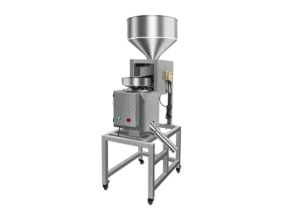
Metal detection sensitivity plays a crucial role in ensuring product safety and quality across industrial production lines. Whether in food processing, pharmaceuticals, or packaging, the ability to detect even the smallest metal contaminants helps maintain compliance, reduce recalls, and protect brand reputation.
What Is Metal Detection Sensitivity?
Metal detection sensitivity refers to the smallest size of metallic contaminant a detector can identify under specific conditions. The higher the sensitivity, the smaller the detectable metal particle.
In industrial applications, sensitivity is usually expressed in millimeters and varies depending on the metal type, product characteristics, and detector technology. Maintaining optimal sensitivity is key to balancing detection accuracy and production efficiency.
Key Factors Affecting Metal Detection Sensitivity
Type of Metal
Different metals have different electrical and magnetic properties. Ferrous metals are easier to detect because they are both magnetic and conductive, while non-ferrous and stainless-steel particles are more challenging to identify due to a weaker signal response.
Aperture Size
The aperture (or detection window) size directly influences sensitivity. Smaller apertures typically achieve higher sensitivity, as the magnetic field is more concentrated. However, they must still accommodate the size of the passing product.
Product Effect
Moisture, salt, and temperature can mimic metal signals and cause false rejections — a phenomenon known as the product effect. For example, fresh meat or cheese can conduct electricity, affecting the detector’s stability.
Operating Environment
Vibration, humidity, and electromagnetic interference can distort signals, especially in high-speed conveyor systems. A stable operating environment helps maintain consistent sensitivity levels.
Detector Technology
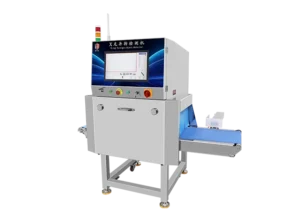
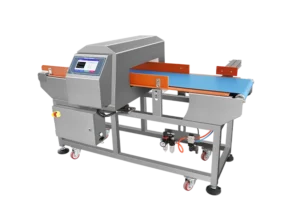
Different technologies offer varying sensitivity levels. Food Metal Detectors are excellent for ferrous and non-ferrous metals, while X-ray Inspection Equipment can detect smaller stainless-steel fragments or other dense contaminants like glass or stones.
How to Optimize Sensitivity in Industrial Lines
Calibration and Verification
Regular calibration ensures the detector performs within specified parameters. Verification tests using certified test pieces help maintain consistency and compliance.
Product-Specific Settings
Adjust frequency, phase, and threshold based on each product’s composition and size. Advanced detectors allow automatic “learn” functions to simplify this process.
Maintenance and Training
Proper maintenance prevents drift or instability in the detection signal. Well-trained operators understand how to fine-tune settings for optimal results.
Automatic Rejection Systems
Integrating automatic reject devices ensures that contaminated products are quickly removed without interrupting the production flow, improving both safety and efficiency.
Sensitivity Standards and Compliance
International standards such as HACCP, BRC, and IFS require documented proof of detection sensitivity and regular validation.
Jindun Elec designs its inspection systems to meet and exceed these compliance requirements, providing reliable performance across global regulatory frameworks.
Applications of High-Sensitivity Detection
High-sensitivity detection is vital across numerous industries:
- Food and beverage: preventing contamination and recalls
- Pharmaceuticals: ensuring product purity
- Textiles and plastics: detecting broken needles or machinery debris
- Chemical and cosmetic production: maintaining clean processing environments
By implementing advanced detection systems, manufacturers protect both end-users and brand trust.
Why Sensitivity Matters for Production Efficiency
Accurate and stable metal detection minimizes false rejects and reduces waste, directly impacting operational efficiency.
For manufacturers seeking precision inspection solutions, Contact Us to explore how Jindun Elec’s advanced metal detection and X-ray systems can enhance your production quality.
FAQs about Metal Detection Sensitivity in Industrial Lines