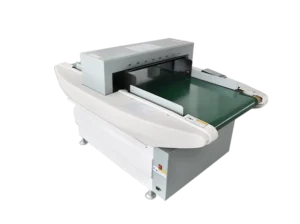
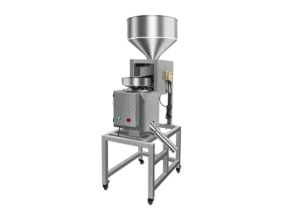
Many garment factories recognise the importance of needle detection, but its real-world performance often falls short. False alarms, missed fragments, and workflow disruptions can turn a safety device into a production bottleneck. This article examines the common challenges in needle detection and provides a systematic approach to addressing them.
Why Needle Detection Fails in Real Factory Environments
Many problems are not caused by the detector itself but by mismatched expectations, improper setup, or production conditions not considered during purchase.
Unstable Production Conditions
- Vibration from sewing tables
- Dust and fibre buildup
- Temperature and humidity fluctuations
Inconsistent Product Characteristics
- Different fabric thicknesses
- Multi-layer garments vs. single-layer items
- Padded or metal-accessory garments
Operator-Related Variables
- Improper product placement
- Inconsistent scanning speed
- Bypassing alarms under pressure
The Most Common Needle Detection Problems
Understanding specific failure patterns allows factories to address root causes instead of treating symptoms.
Frequent False Alarms
- Caused by fabric density changes
- Static interference
- Mechanical vibration
Missed Needle Fragments
- Sensitivity set too low
- Inappropriate detection head size
- Fragment orientation issues
Production Bottlenecks
- Scanning speed mismatch
- Poor line integration
- Manual handling delays
How to Solve These Challenges Systematically
Effective needle detection is not about increasing sensitivity alone but building a stable and reliable system.
Matching Equipment to Real Production Conditions
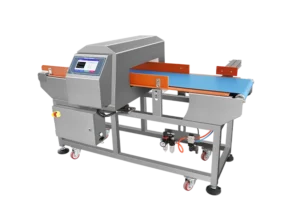
- Choosing a true garment-grade Needle Detector
- Selecting the right aperture and conveyor style
- Accounting for the fabric range during configuration
Optimising Installation and Line Integration
- Stable mounting to eliminate vibration
- Logical placement in workflow
- Ergonomic operator positioning
Calibrating for Stability, Not Just Sensitivity
- Balanced detection thresholds
- Automatic compensation for product effect
- Regular validation routines
Building Operator Confidence and Compliance
Even the best equipment fails if operators do not trust or understand it.
Clear Alarm Logic and Visual Feedback
- Simple reject logic
- Visible and audible alerts
Standardised Testing Procedures
- Shift-start test protocols
- Documented verification routines
Reducing Workarounds Under Pressure
- Designing a flow that does not punish compliance
- Training tied to real risk scenarios
Turning Needle Detection into a Production Advantage
Challenges are normal—but solvable. By focusing on stable system design, line adaptation, and operator training, factories can turn needle detection from a production burden into a quality assurance asset.
A mature approach ensures fewer false alarms, reduced downtime, and greater confidence in product safety.
Naturally, partnering with a specialist like Jindun Elec provides tailored solutions, professional installation, and ongoing support to optimise your garment production line.
For factories looking to strengthen safety and efficiency, Contact Jindun Elec to explore customised Needle Detector solutions.
FAQs About Needle Detection Challenges