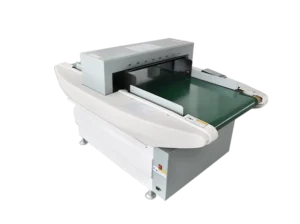
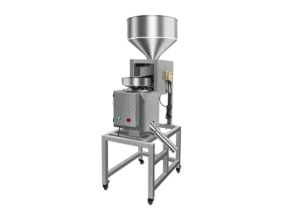
Modern garment manufacturing is no longer judged only by cost and speed. Global brands, retailers, and regulators now expect factories to demonstrate strict control over contamination risks—especially broken needles. Choosing the right needle detection system is therefore not a minor equipment purchase, but a strategic production decision.
A professional Needle Detector becomes part of your factory’s quality promise, protecting both your customers and your brand reputation. This is where experienced solution providers like Jindun Elec help garment producers turn compliance into a competitive advantage.
Why Garment Factories Need Dedicated Needle Detection Systems
Before discussing “how to choose,” it is essential to understand why garment production requires a specialised approach rather than generic metal detection.
The Hidden Risks of Needle Contamination in Apparel Production
Sewing needles can break without warning. Small fragments may remain trapped inside garments, bedding, toys, or upholstered items. These fragments pose serious injury risks to end users and can trigger recalls, legal claims, and brand bans.
Why Manual Checks Are No Longer Enough
Manual inspection depends on human attention and consistency. In high-volume factories, fatigue and workflow pressure make visual checks unreliable. Needle detection introduces a measurable, repeatable safety standard that manual processes cannot achieve.
Industry Compliance and Buyer Requirements
Many international buyers require documented needle control systems. Passing audits increasingly depends on proving that every finished item is scanned with industrial-grade equipment designed specifically for textiles.
Understanding What Makes a “Garment-Grade” Needle Detector
Not all metal detection equipment is suitable for clothing production. The key is understanding what distinguishes a true garment-grade system.
Detection Sensitivity for Fine Steel Fragments
Garment applications demand extremely high sensitivity—often down to sub-millimetre needle pieces. The detector must reliably identify thin steel fragments without slowing production.
Fabric Thickness, Layers, and Product Effect
Different materials affect signal behaviour. Denim, padded jackets, or multilayer bedding require stable compensation algorithms to avoid missed detections or excessive false alarms.
Speed Compatibility with Sewing and Finishing Lines
A garment factory cannot afford bottlenecks. The detector must operate smoothly at the same pace as sewing, finishing, or packing stations.
Key Factors to Evaluate When Choosing a Needle Detector
With performance requirements defined, the next step is building a practical evaluation framework.
Detection Accuracy vs. Production Throughput
High sensitivity is meaningless if it forces frequent stoppages. The right balance ensures both safety and output continuity.
Stability and False Alarm Control
Excessive false rejects slow operations and reduce operator trust. Advanced filtering and calibration stability are essential in real factory environments.
Operator Usability and Training Requirements
Simple interfaces, clear alarms, and quick reset procedures reduce human error and training time—especially in high-turnover labour environments.
Equipment Durability in Factory Environments
Textile plants generate dust, vibration, and humidity. A reliable system must withstand continuous operation without frequent recalibration.
Where and How Needle Detectors Should Be Installed
Selecting the correct equipment is only half the solution. Placement determines real-world effectiveness.
End-of-Line vs In-Process Scanning
Most factories install detectors at final inspection, but some integrate scanning at intermediate sewing stages to isolate problems earlier.
Integrating with Sewing, Finishing, or Packing Stations
The detector should match workflow logic—whether scanning folded garments, finished pieces, or packaged goods.
Space, Power, and Workflow Considerations
Compact footprints, stable power requirements, and ergonomic design ensure seamless integration without disrupting operators.
Common Mistakes Garment Factories Make When Buying
Many factories invest in equipment but fail to achieve real protection due to decision-stage errors.
Choosing Based on Price Alone
Low-cost units often lack stability and long-term reliability, leading to higher total cost over time.
Ignoring Fabric and Product Differences
A detector that works for T-shirts may fail with quilts or coats. Matching equipment to product mix is critical.
Underestimating Long-Term Maintenance Costs
Calibration tools, spare parts, and technical support all affect lifetime ownership cost.
Building a Long-Term Needle Detection Strategy
Needle detection should evolve from “equipment purchase” into a structured quality system.
Standardising Detection Across Production Lines
Consistent hardware and procedures simplify audits and training.
Training, Testing, and Ongoing Validation
Routine test protocols ensure continuous performance—not just during inspections.
Working with a Specialised Equipment Partner
An experienced supplier helps tailor detection logic to fabric types, line speed, and compliance requirements.
From Compliance to Competitive Advantage in Garment Manufacturing
Choosing the right needle detection solution is about more than avoiding accidents—it defines how professionally your factory operates. A properly selected Needle Detector aligns with your materials, workflow, and quality objectives, transforming safety from a cost centre into a production asset.
Factories that treat needle control as part of their manufacturing system—not a checkbox—build stronger buyer trust and long-term stability.
For garment producers ready to upgrade their quality infrastructure, Contact Jindun Elec to design a needle detection solution aligned with real factory conditions.
FAQs About Choosing a Needle Detector for Garment Factories