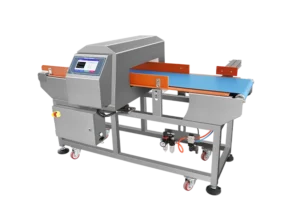
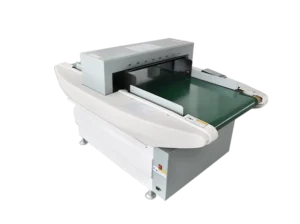
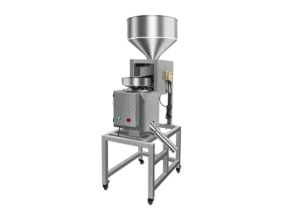
Proper calibration of metal detectors is essential for food production lines to ensure product safety, maintain compliance, and minimize false rejects. Accurate calibration helps detect contaminants reliably, protects consumers, and reduces waste. Advanced systems like Jindun Elec Food Metal Detectors simplify this process while maintaining high sensitivity across a variety of food products.
Understanding Metal Detector Calibration
Calibration is the process of adjusting a metal detector to ensure it accurately identifies metal contaminants in products. It involves setting sensitivity levels and verifying the system using certified test pieces.
- Sensitivity Calibration: Determines the smallest metal particle the detector can reliably detect.
- Verification: Confirms the detector’s performance meets regulatory and internal standards.
Proper calibration ensures compliance with safety frameworks such as HACCP, BRC, and IFS, and maintains consistent product quality.
Tools and Materials Needed for Calibration
Certified Test Pieces
- Ferrous, non-ferrous, and stainless steel test pieces.
- Sizes vary based on the product being tested; smaller pieces are used for high-sensitivity requirements.
Calibration Documentation
- Logs of test results and adjustments for quality assurance and audits.
Detector Manual and Software Interface
- Detector control panels or software guide sensitivity adjustments and recordkeeping.
Step-by-Step Calibration Procedure
Step 1 — Prepare the Detector and Conveyor
Ensure the detector and conveyor are clean, stable, and free from vibrations or interference.
Step 2 — Set Sensitivity Parameters
Adjust frequency, phase, and detection thresholds according to the product type. Each product may require unique settings due to composition differences.
Step 3 — Test with Certified Metal Pieces
Run multiple test pieces through the detector to check the signal response. Observe whether the detector consistently identifies each piece.
Step 4 — Fine-Tune and Adjust
If the detector misses pieces or generates false rejects, modify sensitivity settings and repeat tests until consistent detection is achieved.
Step 5 — Verify and Document Calibration
Confirm results meet regulatory standards and internal specifications. Record all calibration steps in documentation for audits and quality assurance.
Common Calibration Challenges and Solutions
Product Effect
High moisture, salt, or temperature variations can create signals similar to metal. Adjust sensitivity or use compensation features in advanced detectors.
Environmental Interference
Vibrations, electromagnetic fields, or nearby machinery can distort signals. Stabilize the production environment to reduce interference.
Operator Errors
Incorrect placement of test pieces or misconfigured settings can compromise calibration. Proper training ensures accurate results.
Equipment Limitations
Older or basic detectors may have limited adjustment ranges. Using Jindun Elec Food Metal Detectors can simplify calibration and improve consistency.
Best Practices for Maintaining Calibration
- Schedule regular calibration and verification (daily, weekly, or per shift based on product line).
- Keep detailed calibration records for audits and compliance.
- Train staff on handling multiple product types efficiently.
- Leverage advanced detectors to automate or streamline calibration processes where possible.
Ensuring Compliance and Product Safety
Accurate calibration reduces false rejects and missed contaminants, supporting compliance with HACCP, BRC, and IFS standards. Manufacturers benefit from higher detection reliability, minimized product waste, and safer products for consumers.
To explore how Food Metal Detectors can simplify calibration and enhance your production line’s safety, Contact Us today for tailored guidance.
FAQs about Calibrating Metal Detectors for Food Applications