In electronics manufacturing, even a tiny metal contaminant can lead to costly defects, recalls, or compromised product reliability. Modern production lines demand precision metal detection systems to safeguard quality, ensure compliance, and maintain operational efficiency. Leveraging advanced technologies allows manufacturers to detect, prevent, and respond to contamination in real time.
Why Precision Metal Detection is Critical in Electronics Manufacturing
Electronics production is highly sensitive. Metal particles can easily damage components like PCBs, soldered assemblies, and miniature parts.
Impact of Metal Contamination on Electronics
Metal fragments can cause short circuits, component failures, or operational malfunctions. Even minor contamination can result in product recalls, customer dissatisfaction, and significant financial loss.
Limitations of Traditional Detection Methods
Manual inspections, visual checks, or low-sensitivity detectors often fail to catch fine metal particles. Traditional methods struggle with high-speed assembly lines, leading to increased defect rates and production inefficiencies.
Key Technologies for Defect Prevention
Modern systems combine multiple technologies to achieve high accuracy and reliability in electronics production.
Multi-Frequency Metal Detectors
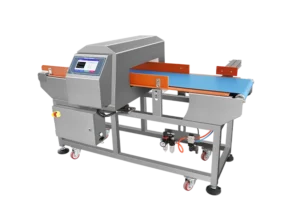
Multi-frequency metal detectors scan at multiple ranges simultaneously, detecting ferrous, non-ferrous, and stainless steel contaminants. They are particularly effective in PCB assembly lines and soldering processes where materials vary in density and conductivity.
AI-Assisted Detection Systems
Artificial intelligence helps systems learn the unique signal patterns of products, reducing false rejects. AI-assisted detectors can adapt to new components or assemblies, improving accuracy and efficiency across electronics lines.
X-Ray and Hybrid Systems
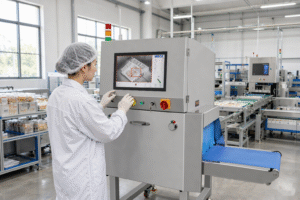
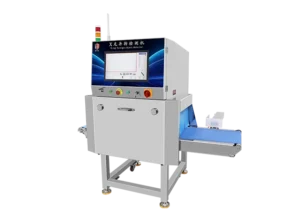
X-Ray Inspection Equipment identifies hidden or complex contaminants that traditional metal detectors might miss. Hybrid systems combining metal and X-ray detection provide the highest level of assurance in high-value electronics manufacturing.
Smart Connectivity and IoT
IoT-enabled metal detectors allow real-time monitoring, predictive maintenance, and data analytics. Smart connectivity ensures early detection of deviations, minimizes downtime, and supports proactive quality control.
Implementing Precision Detection in Electronics Production Lines
Adopting advanced detection technology requires careful planning and integration.
Assessing Contamination Risks
Identify critical points in PCB assembly, SMT lines, and final product packaging. Understanding the contamination risk at each stage is crucial for effective detection.
Proper Integration of Detection Systems
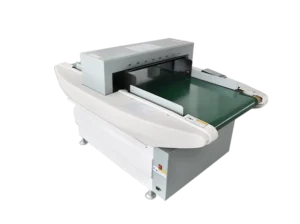
Correct installation, conveyor alignment, and rejection mechanisms are essential. Integration with existing Metal Separators or Needle Detectors ensures consistent inspection without slowing production.
Operator Training and Maintenance
Staff must understand calibration routines, cleaning procedures, and performance checks. Regular maintenance guarantees reliable detection and long-term compliance with industry standards.
Industry Applications and Case Studies
PCB Assembly Lines
Metal detectors prevent solder or metal fragment contamination, ensuring circuit integrity and product reliability.
Component Manufacturing
High-volume electronics production benefits from precise detection, reducing defective parts and improving operational efficiency.
Consumer Electronics Final Assembly
Precision detection ensures safety and compliance, protecting both brand reputation and customer trust.
Future Trends in Electronics Metal Detection
The next generation of metal detectors is AI-driven, IoT-enabled, and predictive. Future trends include:
- Smaller, energy-efficient detectors for high-speed lines.
- Integration with smart factories and automated production systems.
- Continuous data collection to predict and prevent potential defects before they occur.
Enhancing Product Reliability and Operational Efficiency
Advanced Industrial Metal Detectors, X-Ray Inspection Equipment, and Needle Detectors are reshaping electronics manufacturing. These systems help reduce defects, maintain compliance, and improve throughput.
For customized electronics-grade inspection solutions, contact us or explore more at Jindun Elec.
FAQs about Precision Metal Detection in Electronics Manufacturing