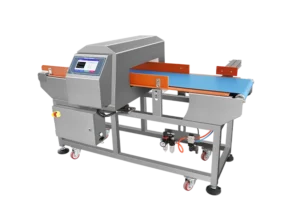
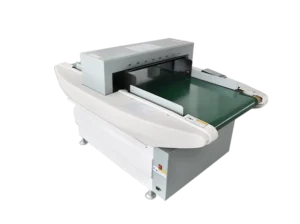
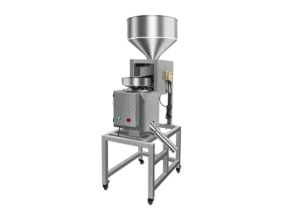
In modern production environments, metal detection is vital for ensuring product quality, consumer safety, and equipment protection. However, not all metals are detected in the same way. Understanding what types of metals industrial metal detectors can identify — and the factors that affect detection — helps manufacturers choose the right inspection technology for their operations.
Why Understanding Metal Types Matters
Different metals have distinct magnetic and conductive properties, which directly influence detection performance. In industries such as food processing, textiles, plastics, and packaging, even a tiny metal fragment can lead to costly recalls or safety hazards. Knowing how each metal type interacts with the detection field ensures optimized sensitivity and reliability.
Types of Metals Detectable by Industrial Metal Detectors
A typical industrial metal detector can identify three main metal categories: ferrous, non-ferrous, and stainless steel. Each behaves differently in electromagnetic fields.
Ferrous Metals
Ferrous metals, such as steel and iron, contain iron and are both magnetic and highly conductive. They are the easiest to detect because their magnetic properties strongly influence the detector’s signal. Contamination from machine parts, screws, or cutting tools often falls into this category.
Non-Ferrous Metals
Non-ferrous metals include aluminum, copper, and brass. They are not magnetic but have high electrical conductivity, allowing detectors to sense them through induced current changes. These contaminants are common in the electronics and packaging industries.
Stainless Steel
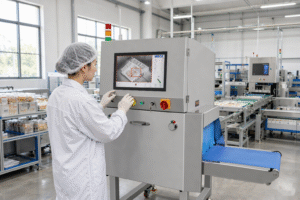
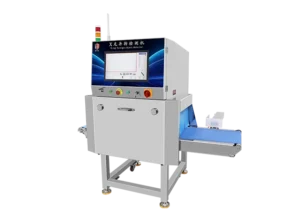
Stainless steel is often the hardest to detect because it has weak magnetic properties and low conductivity. However, advanced Food Metal Detectors and X-ray inspection equipment can identify even small stainless steel fragments in packaged or processed products with precision.
How Detection Sensitivity Differs Across Metals
Detection sensitivity varies based on metal size, position, and product composition. For example, a stainless fragment at the center of a product may be harder to detect than an iron particle near the surface.
To achieve optimal performance, many manufacturers use Metal Separator systems that continuously monitor bulk materials or granules, improving overall sensitivity and efficiency.
Applications Across Industries
Metal detection plays a vital role across multiple manufacturing sectors, ensuring product safety and quality consistency. Below are some of the most common industrial applications.
Food & Beverage
Food Metal Detectors are used throughout the processing and packaging stages to ensure products are free from metallic contaminants, meeting strict safety regulations.
Plastics and Rubber
In the plastics sector, Metal Separator systems prevent machinery damage by removing metallic particles before extrusion or molding.
Textile and Garment
For garment manufacturers, Needle Detectors are essential for finding broken sewing needles or sharp metal fragments, ensuring consumer safety and compliance.
How to Choose the Right Detector for Different Metals
Selecting the right detector depends on several factors: the type of metal contamination expected, the product’s composition, and the packaging material. Manufacturers should evaluate detector frequency, aperture size, and reject mechanisms to match their production needs.
Collaborating with a professional inspection equipment provider, such as Jindun Elec, ensures that every system is optimized for the specific metal type and product characteristics.
Ensuring Reliable Detection Performance
Understanding how different metals respond to detection technology allows industries to improve inspection accuracy and maintain consistent quality standards.
For customized industrial metal detection solutions, please feel free to contact us for expert guidance or explore more professional inspection equipment at Jindun Elec.
FAQs