Frequent false alarms in industrial metal detectors can disrupt production efficiency, cause unnecessary product waste, and increase operational costs. For manufacturers in food, packaging, or pharmaceutical sectors, understanding why these alarms occur—and how to prevent them—is essential for maintaining inspection accuracy and product safety.
Understanding False Alarms in Metal Detection Systems
False alarms occur when a metal detector mistakenly identifies non-metallic items or normal product conditions as contaminants. These incidents often result from environmental interference, product characteristics, or technical calibration issues, and they can have a significant impact on production performance.
What Counts as a False Alarm
A false alarm is triggered when the detector reacts even though no metal is actually present. This often leads to unnecessary product rejection or even a full production halt.
Why They Matter
Excessive false rejects lower productivity, increase material waste, and reduce confidence in inspection reliability—especially in regulated industries such as food and pharmaceuticals, where accuracy is critical.
Common Causes of False Alarms
Each production environment presents unique challenges that can lead to false signals. Understanding the main causes can help operators take corrective measures and improve system reliability.
Product Effect and Moisture Content
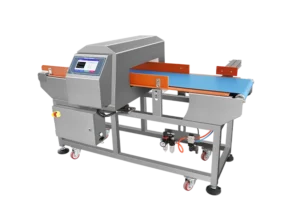
High salt, moisture, or temperature levels in food can mimic metallic conductivity, producing false detections in Food Metal Detectors. This is a common challenge in dairy, bakery, and meat processing plants.
Environmental and Electrical Interference
Nearby machinery, power fluctuations, or electromagnetic fields may distort detection signals. Proper grounding and isolation can reduce interference.
Mechanical Vibrations or Conveyor Instability
Unstable conveyor belts or nearby mechanical vibrations can cause irregular movement through the detector’s aperture, triggering false alarms.
Improper Calibration or Setup
Incorrect sensitivity settings or neglected calibration often lead to unstable readings and unreliable performance over time.
How to Reduce or Eliminate False Alarms
Minimizing false alarms requires consistent equipment maintenance and operational discipline. A few simple steps can dramatically enhance inspection accuracy.
Regular Calibration and Performance Checks
Routine sensitivity verification helps ensure reliable operation. Scheduled testing allows early identification of drift or sensor fatigue.
Environmental Optimization
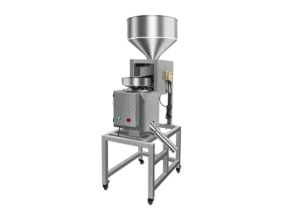
Keep Metal Separators and Food Metal Detectors away from high-vibration zones, and shield them from electromagnetic interference caused by other machines.
Product Testing and Learning Mode
Many advanced detectors include a “product learning” function that allows the system to recognize natural product variations—like temperature or density—reducing unnecessary rejections.
Upgrading to Advanced Systems
When standard metal detection isn’t sufficient, X-Ray Inspection Equipment offers a superior alternative, distinguishing metal contaminants from naturally dense product materials like bone or glass.
Practical Example — Reducing False Alarms in Food Processing
At a snack production facility, frequent false rejects were caused by the salt and moisture content in freshly fried chips. After enabling the detector’s automatic product learning mode and stabilizing the conveyor belt, false alarm rates dropped by over 90%. This not only improved productivity but also enhanced product quality assurance.
Reliable Detection with Jindun Elec Solutions
Consistent and accurate inspection relies on a blend of advanced technology and correct setup. Jindun Elec’s precision Food Metal Detectors and Metal Separators are designed to maintain high sensitivity while minimizing false rejects, even under demanding production conditions.
For customized support or optimization advice, contact us or visit Jindun Elec to explore tailored industrial detection solutions that enhance quality, safety, and efficiency.
FAQs about Metal Detector False Alarms