In industrial recycling operations, poor metal separation performance is often blamed on equipment quality. In reality, many issues originate much earlier—during the selection stage. Choosing an unsuitable metal separator can lead to low recovery rates, excessive wear, frequent downtime, and long-term efficiency losses. Understanding common selection mistakes is the first step toward building a reliable and scalable recycling line.
Before examining specific technologies, it is important to recognise that most errors stem from incomplete evaluation of real production conditions.
Overlooking Material Characteristics
Almost every metal separator selection mistake begins with an inaccurate understanding of the recycling material itself. Material properties directly affect separation effectiveness and system stability.
Ignoring Metal Type and Size Distribution
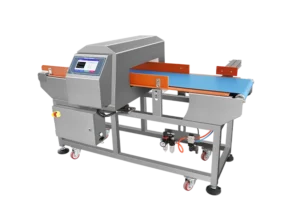
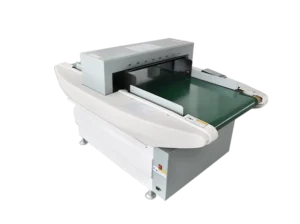
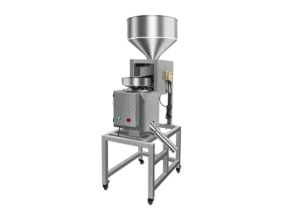
Different recycling streams contain different metal types, ranging from large ferrous fragments to fine non-ferrous particles. Selecting a Metal Separator without accounting for metal composition and size distribution often results in inconsistent separation or missed contaminants.
Small or irregularly shaped metal pieces may pass through systems designed only for coarse materials, reducing recovery value and increasing downstream risk.
Failing to Consider Material Moisture and Density
Moisture content, material density, and bulk behaviour are frequently underestimated. Wet or compacted materials can reduce separation efficiency and cause buildup on conveyor systems.
Ignoring these factors during selection often leads to unstable operation and higher maintenance requirements once the system is running under real conditions.
Choosing Technology Based on Price Alone
Cost considerations are unavoidable, but focusing solely on initial purchase price can lead to long-term operational disadvantages.
Short-Term Cost vs Long-Term Performance
Lower-cost separators may appear attractive during procurement, yet they often sacrifice durability, stability, or adaptability. Reduced separation accuracy and frequent adjustments can quietly erode productivity over time.
In industrial recycling, consistent performance and uptime typically outweigh small upfront savings.
Underestimating Maintenance Requirements
Another common mistake is overlooking maintenance demands. Equipment that requires frequent manual cleaning or component replacement can significantly increase labour costs and downtime.
A properly selected metal separator should be designed for harsh recycling environments, minimising wear and simplifying routine maintenance.
Misjudging Production Capacity and Line Speed
Even technically suitable equipment can underperform if it is not matched to actual production conditions.
Oversizing or Undersizing the Separator
Oversized separators increase capital costs without delivering proportional benefits, while undersized units become bottlenecks that limit line throughput.
Correct capacity matching ensures stable separation performance without constraining future production.
Ignoring Conveyor Speed and Feed Consistency
Separation accuracy is closely tied to conveyor speed and material flow consistency. High-speed lines amplify the consequences of improper selection.
Systems designed for laboratory conditions may struggle under continuous industrial operation, especially when feed rates fluctuate.
Treating Metal Separation as a Standalone Process
Metal separation rarely functions optimally as an isolated step. Viewing it as a standalone process limits overall recycling efficiency.
Relying on a Single Separation Stage
Many recycling lines attempt to rely on one separator to handle all metal contamination. This approach often exceeds the technical limits of a single device.
Multi-stage separation strategies allow each unit to focus on specific tasks, improving overall recovery and system reliability.
Missing Integration Opportunities with Other Equipment
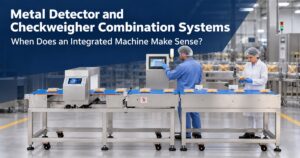
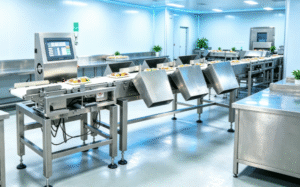
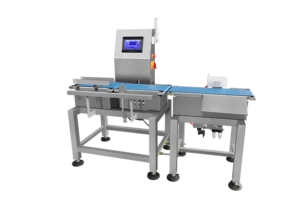
Metal separation can be significantly enhanced when integrated with complementary systems. For example, combining separation with a Weight Sorting Machine can improve downstream material classification.
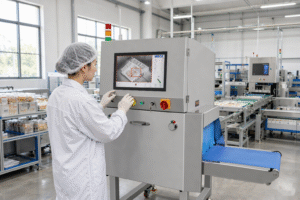
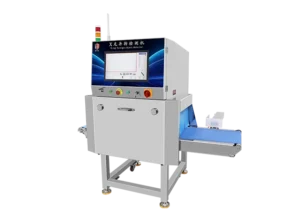
In specialised recycling applications, pairing metal separation with X-ray inspection Equipment adds another layer of protection against hidden or embedded contaminants.
Neglecting Future Expansion and Process Changes
Recycling operations evolve, but equipment selection decisions are often made with only current conditions in mind.
Lack of Scalability in Equipment Selection
Choosing a system without considering future capacity expansion can result in costly retrofits or premature replacement.
Scalable metal separation solutions provide flexibility as material volumes or processing requirements increase.
Ignoring Changes in Material Sources
Material sources and compositions can change due to supplier shifts or regulatory requirements. Equipment that lacks adaptability may struggle to maintain performance under new conditions.
Selecting versatile systems helps protect long-term investment value.
Conclusion
Selecting a metal separator for industrial recycling is not simply a technical choice—it is a strategic decision that affects efficiency, cost control, and operational stability. Most performance issues can be traced back to avoidable selection mistakes, including misunderstanding material characteristics, prioritising price over performance, and ignoring system integration.
By evaluating metal separation from a process-wide perspective and planning for future needs, recycling facilities can achieve more reliable and sustainable results. For application-specific guidance and system-level solutions, Contact Jindun Elec to discuss your recycling challenges with experienced engineers or explore more about Jindun Elec and our industrial inspection expertise.
FAQs