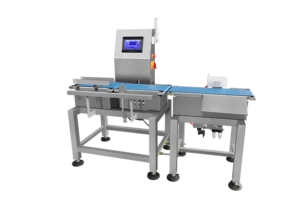
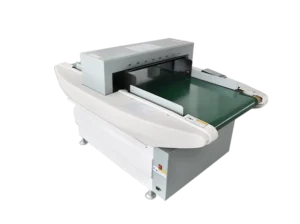
Metal contamination is a common yet often underestimated risk in industrial production. Small metal fragments can enter raw materials through transportation, handling, or upstream processing, leading to equipment damage, unplanned downtime, and product quality issues.
To control these risks, metal separation systems are widely integrated into modern production lines. However, their applications vary significantly across industries. Understanding where metal separators are commonly used helps manufacturers design safer, more efficient, and more reliable production processes.
Why Metal Separation Is Critical in Industrial Production
Before examining specific industries, it is important to understand why metal separation has become a standard practice across industrial manufacturing.
Metal contaminants can damage critical equipment such as crushers, extruders, and mixers. Even minor metal fragments may cause severe wear, sudden breakdowns, or safety hazards. Beyond equipment protection, metal separation also supports consistent product quality and helps manufacturers comply with industry regulations and internal quality standards.
Plastic & Polymer Processing Industries
Plastic and polymer production is one of the most common application areas for metal separation due to the sensitivity of processing equipment.
Raw Material Protection in Plastic Pellet Processing
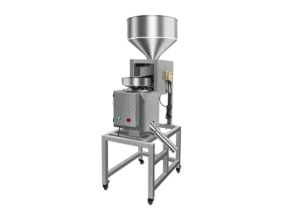
During pellet handling and transportation, metal fragments can easily mix with raw materials. Installing a Metal Separator at the material intake stage helps remove ferrous and non-ferrous contaminants before they enter the processing line.
This early-stage separation protects downstream equipment and ensures uninterrupted production.
Injection Moulding and Extrusion Lines
In injection moulding and extrusion processes, metal contaminants pose a direct threat to screws, barrels, and moulds. Even small metal pieces can cause irreversible damage, leading to costly repairs and production downtime.
By integrating metal separation systems before material enters the machine, manufacturers significantly reduce operational risks and maintenance costs.
Recycling and Waste Processing Industry
In recycling operations, metal separation serves both protective and economic purposes.
Scrap Metal and Mixed Waste Sorting
Recycling facilities often process mixed materials such as plastics, rubber, wood, and waste streams. Metal separation allows operators to extract unwanted metal fragments from non-metal materials, improving material purity and recovery efficiency.
This step enhances the value of recycled materials while preventing damage to sorting and processing equipment.
Protecting Shredders and Crushers
Heavy-duty shredders and crushers are especially vulnerable to unexpected metal objects. Metal separation systems placed upstream act as a safeguard, preventing severe mechanical damage and reducing unplanned shutdowns.
Mining, Aggregates, and Quarrying
In high-impact industrial environments, metal separation plays a critical role in equipment protection.
Conveyor Belt Protection in Mining Operations
Mining operations rely heavily on conveyor systems to transport materials. Metal contaminants can cause belt damage, roller failure, or blockages.
Installing metal separators along conveyor lines helps remove tramp metal before it reaches crushers or mills.
Aggregate and Sand Processing Lines
In aggregate and sand production, consistent operation is essential to meet production targets. Metal separation ensures stable material flow and reduces the risk of equipment failure in demanding working conditions.
Food, Chemical, and Pharmaceutical Processing
Industries with strict safety and quality requirements depend heavily on contamination control.
Pre-Processing Metal Removal
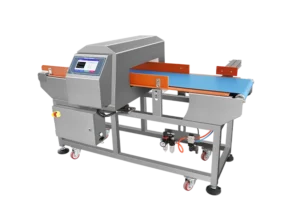
Metal separation is often used during raw material handling to remove metal contaminants before further processing. This step complements downstream inspection systems, such as a Food Metal Detector, creating a layered contamination control strategy.
Equipment and Process Safety Considerations
In chemical and pharmaceutical environments, metal contamination may compromise not only equipment but also product safety. Effective metal separation supports stable processing conditions and reduces the likelihood of quality incidents.
Common Installation Positions Across Industries
While applications vary by industry, metal separators are typically installed in strategic positions along the production line.
Common installation points include material intake areas, conveyor belts, hopper inlets, free-fall chutes, and upstream of crushers or grinders. Proper placement ensures maximum protection while minimising interference with production flow.
How to Select a Metal Separator Based on Industry Application
After identifying where metal separators are used, selecting the right solution becomes the next critical step.
Selection factors include material type, flow characteristics, contamination risk level, and production layout. Working with experienced manufacturers such as Jindun Elec helps ensure the system is properly matched to real operating conditions rather than generic specifications.
Conclusion
Metal separators are widely used across industrial production, from plastics and recycling to mining, food, and chemical processing. While application goals may differ, their core function remains the same: protecting equipment, maintaining product quality, and ensuring stable operations.
Choosing the right metal separation solution requires a clear understanding of industry-specific challenges and production requirements. Contact Jindun Elec to discuss metal separation systems tailored to your industrial application and operational needs.
FAQs