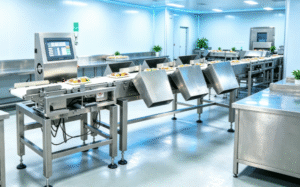
In many industrial plants, metal contamination control is still treated as a final checkpoint rather than a preventive strategy. Manufacturers often rely on downstream inspection to catch metal fragments after processing has already taken place. However, this approach overlooks a critical reality: once metal contaminants enter the production process, the damage—both mechanical and financial—may already be done.
This is why effective metal separation should happen before processing, not after.
Understanding the Difference Between Metal Separation and Metal Detection
Before examining where metal separation belongs in a production line, it is important to clarify the fundamental difference between separation and detection. These two technologies serve different purposes and are not interchangeable.
Metal Separation as Preventive Protection
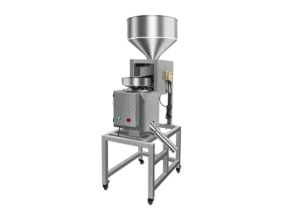
Metal separation focuses on removing unwanted metal contaminants from raw materials or bulk flows before they reach sensitive equipment. A Metal Separator acts as a protective barrier, intercepting ferrous or non-ferrous metals at the earliest possible stage. By doing so, it reduces mechanical stress, prevents equipment damage, and helps maintain stable operating conditions.
Metal Detection as Final Quality Control
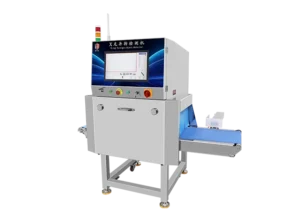
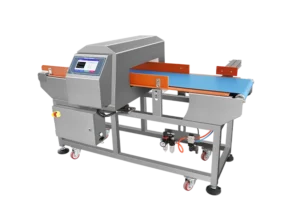
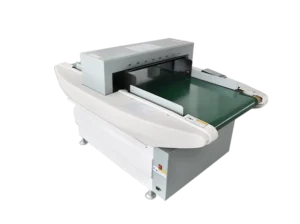
Metal detection, by contrast, is designed to identify metal contamination rather than prevent it from occurring. Detectors are typically installed near the end of the production line to ensure product safety and compliance with regulations. While essential for quality assurance, detection alone cannot undo damage that has already occurred earlier in the process.
Why Pre-Processing Metal Separation Is Critical in Industrial Lines
Once the distinction between separation and detection is clear, the importance of early-stage metal separation becomes easier to understand. The consequences of allowing metal contaminants to pass into processing stages are often underestimated.
Preventing Equipment Damage and Unexpected Downtime
Metal fragments entering crushers, grinders, extruders, or mixers can cause severe wear or sudden failure. Over time, even small metal particles can damage screws, blades, and bearings, leading to unplanned downtime and costly repairs. Installing separation before these stages helps protect core equipment and extend service life.
Improving Process Stability and Output Consistency
Metal contamination can disrupt material flow and processing parameters, resulting in inconsistent output quality. By removing metal early, manufacturers maintain smoother operations, more stable process control, and fewer interruptions—factors that directly affect productivity and yield.
Why Post-Processing Detection Alone Is Not Enough
Relying solely on end-of-line detection creates a false sense of security. While detection confirms whether contamination exists, it does not address the root cause or prevent internal losses.
Detection Finds Problems, But Does Not Prevent Them
When metal is detected at the final stage, the product is rejected—but equipment damage, material waste, and energy consumption have already occurred. Detection identifies symptoms, not causes, making it a reactive rather than preventive solution.
Higher Risk of Production Losses and Scrap
Rejected batches, reprocessing, and scrapped materials all contribute to higher operating costs. In high-throughput or continuous production environments, these losses can accumulate quickly. Early metal separation significantly reduces these risks by stopping contaminants before they create downstream consequences.
Typical Production Stages Where Metal Separation Should Be Installed
Understanding where to install metal separation is just as important as understanding why it is needed. Placement should align with both material flow and equipment sensitivity.
Raw Material Intake and Feeding Systems
The most effective point for metal separation is often at the raw material intake stage. Removing metal here prevents contamination from spreading throughout the entire process.
Before Crushing, Grinding, or Extrusion
High-impact processing stages are especially vulnerable to metal damage. Installing separation equipment before these operations protects critical components and reduces maintenance frequency.
Before Sensitive Processing Equipment
For processes involving precision machinery or continuous operation, metal separation acts as a safeguard that preserves performance stability and reduces unexpected shutdowns.
Integrating Metal Separation into a Complete Contamination Control Strategy
Metal separation works best when it is part of a broader contamination control system rather than a standalone solution.
Combining Metal Separators with Downstream Detection
A well-designed production line uses separation for prevention and detection for verification. This layered approach minimises risk while ensuring product compliance and safety.
Designing a More Reliable and Cost-Efficient Production Line
By integrating early-stage separation into production planning, manufacturers reduce long-term costs, improve reliability, and enhance overall operational efficiency. This system-level thinking is central to how Jindun Elec approaches industrial contamination control solutions.
Conclusion: Building Protection Before Problems Occur
Effective metal contamination control is not about reacting to problems—it is about preventing them. Placing metal separation before processing protects equipment, stabilises operations, and reduces avoidable losses. Detection remains essential, but only as part of a complete strategy that prioritises early intervention.
For manufacturers looking to strengthen their production lines and reduce contamination-related risks, Contact Jindun Elec to explore solutions aligned with real industrial operating conditions.
FAQs