What Engineers Look for When Specifying a Metal Separator
Selecting a metal separator is never just a purchasing decision. For engineers, it is a system-level choice that affects equipment protection, production stability, safety, and long-term operating cost. Every production line has its own risks—raw material variability, harsh environments, continuous operation, and downstream equipment sensitivity.
That is why engineers treat metal separation as an integral part of process design rather than a standalone component. In modern plants, a well-specified Metal Separator becomes part of the production architecture, not merely an accessory.
Why Metal Separator Selection Is an Engineering Decision
Before any specifications are written, engineers first evaluate how metal contamination impacts the entire production system. The goal is not only to remove metal, but to prevent cascading failures throughout the line.
This perspective shifts the focus from product features to process protection.
Impact on Equipment Protection and Line Stability
Metal fragments entering crushers, extruders, mills, or mixers can cause severe mechanical damage. Even small particles may lead to bearing failure, screw wear, or blade deformation, often resulting in unplanned downtime.
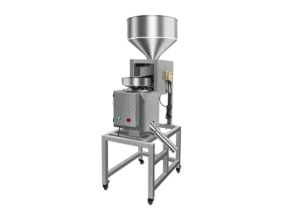
A properly specified Metal Separator acts as a frontline defence, stopping contaminants before they reach critical equipment and preserving long-term operational stability.
System-Level Thinking vs. Component Thinking
Engineers rarely evaluate separators in isolation. They examine how the device interacts with feeders, conveyors, grinders, and inspection systems. A separator that performs well on paper but disrupts material flow becomes a system liability.
The real question is always: Does this solution strengthen the entire line?
Core Performance Criteria Engineers Evaluate
Once the role of separation is clear, engineers begin with measurable technical fundamentals. These criteria determine whether a separator can perform under actual production conditions.
Separation Accuracy and Metal Coverage
Engineers assess which types of metal must be removed—ferrous, non-ferrous, stainless steel, or all three. Material particle size, moisture, and bulk density influence capture efficiency.
Accuracy must remain stable under vibration, dust, and fluctuating flow, not just under laboratory conditions.
Material Compatibility and Flow Behaviour
Different materials behave differently. Powders bridge, flakes float, pellets bounce, and moist materials smear. Engineers evaluate whether a separator can operate reliably across these behaviours without clogging or losing effectiveness.
Throughput Capacity and Pressure Drop
A separator should never become a bottleneck. Engineers calculate whether it can match line speed while maintaining stable flow. Excessive pressure drop or material buildup indicates that productivity may suffer.
Reliability Under Real-World Conditions
Specifications alone do not define performance. Engineers know that factory environments rarely resemble test benches.
In practice, reliability outweighs peak sensitivity.
Performance in Continuous 24/7 Operations
Many industrial lines run without interruption. Engineers look for separators that maintain performance over weeks and months, not just during initial commissioning.
Resistance to Heat, Dust, and Abrasion
High-temperature plastics, abrasive minerals, recycled materials, and chemical powders expose separators to extreme wear. Engineers examine housing design, magnet durability, and sealing integrity.
Maintenance Frequency and Access Design
Downtime is expensive. Engineers favour designs that allow quick cleaning and inspection without dismantling large sections of the line.
Integration with the Production Line
After performance and reliability, engineers focus on how the separator fits into the broader system.
This stage bridges hardware capability with production reality.
Mechanical Fit and Installation Constraints
Space limitations, vertical or horizontal flow, and retrofit requirements influence design choices. Engineers ensure the separator integrates without forcing a full line redesign.
Coordination with Downstream Inspection
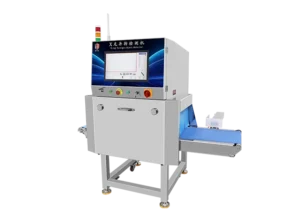
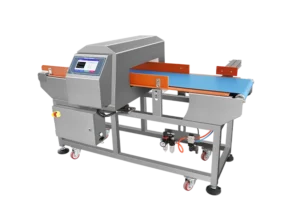
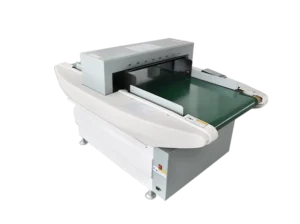
Modern plants rely on layered protection. Separation prevents damage, while inspection verifies safety. Engineers often design separation upstream of Food Metal Detectors or X Ray Inspection Equipment to combine prevention with verification.
Control System and Alarm Interface
Clear signals—blockage alarms, magnet status, and maintenance alerts—must integrate into PLC systems. Visibility and control are essential for operational transparency.
Risk Management and Compliance Considerations
Beyond mechanics, engineers carry responsibility for safety and audit readiness.
Here, metal separation becomes part of enterprise risk control.
Preventing Catastrophic Equipment Damage
Unexpected metal ingress can destroy high-value equipment and halt production for days. Engineers specify separators to minimise this risk and protect capital assets.
Supporting Audit and Traceability Requirements
Many industries operate under strict compliance regimes. Engineers design lines that demonstrate proactive contamination control.
Total Cost of Ownership Over Purchase Price
Engineers think in terms of lifecycle impact, not unit price.
A separator is evaluated as a long-term asset.
Downtime vs. Capital Cost
A low-cost separator that causes frequent stoppages quickly becomes the most expensive option.
Spare Parts, Service, and Lifecycle Support
Engineers favour suppliers who provide consistent support across years of operation. This is why many teams partner long-term with Jindun Elec, integrating separation technology into broader plant strategies rather than treating it as a one-off purchase.
Engineering-Led Metal Separation Strategies in Modern Plants
In modern production, metal separation is no longer optional. It begins at raw material intake and continues through every critical stage.
Engineers position the Metal Separator as a structural safeguard—one that protects equipment, stabilises flow, and reduces systemic risk long before downstream inspection occurs.
Conclusion – Turning Technical Selection into Long-Term Process Security
Engineers specify metal separators to protect systems, not just remove contaminants. The right solution reduces mechanical risk, stabilises production, and lowers lifetime operating cost. It transforms metal control from a reactive measure into a proactive engineering strategy.
For operations where reliability, equipment protection, and long-term performance truly matter, Contact Jindun Elec to discuss metal separation solutions engineered for real industrial conditions.
FAQs
Can one metal separator handle all material types?
No. Different materials behave differently in flow and density. Engineers select separators based on powder, granule, flake, or bulk behaviour.
Is metal separation still needed if a metal detector is installed?
Yes. Separation prevents equipment damage, while detection verifies product safety. They serve different roles.
Where is the best place to install a metal separator?
Typically, at raw material intake or before crushers, grinders, and extruders, where equipment is most vulnerable.
How often do industrial metal separators require maintenance?
It depends on the material type and contamination level. Well-designed systems allow quick cleaning with minimal downtime.
What industries rely most on metal separation?
Plastics, recycling, chemicals, food processing, rubber, and minerals all depend heavily on effective metal separation.
Share With
Related Articles

Hot Products