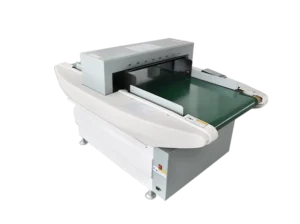
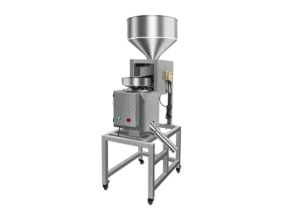
Food safety is no longer just a quality goal—it is a legal obligation and a brand-defining responsibility. As production speeds increase and supply chains become more complex, the risk of foreign-body contamination grows. Among all hazards, metal fragments remain one of the most common and dangerous. This is why Food Metal Detectors have become a non-negotiable component in modern food manufacturing. They do more than find defects; they protect consumers, ensure compliance, and stabilise production operations.
The Role of Food Metal Detectors in Food Safety
In industrial food processing, protecting consumer health must be engineered into every stage of production. Metal detection plays a central role in this system-based approach to safety.
Detecting contaminants before they reach consumers
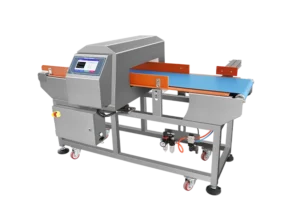
Even with strict upstream controls, metal can enter food products from worn machinery, broken blades, fasteners, or packaging equipment. A Food Metal Detector continuously scans products as they move along the line, identifying ferrous, non-ferrous, and stainless steel contaminants in real time. When metal is detected, affected items are automatically rejected, preventing hazardous products from ever reaching the market.
This real-time protection is especially critical in high-volume environments where visual inspection is impossible and manual checks are unreliable.
Meeting regulatory requirements
Global food regulations increasingly mandate foreign-body control. Standards such as HACCP, BRC, IFS, FDA, and ISO 22000 require manufacturers to identify and control physical hazards. In many cases, metal detection is specified as a Critical Control Point (CCP).
Installing a properly validated Food Metal Detector helps producers demonstrate due diligence, pass audits, and maintain certification. More importantly, it creates a documented, verifiable safety barrier within the production process.
Preventing product recalls and brand damage.
A single metal-related recall can cost millions in logistics, legal exposure, and lost consumer trust. Beyond direct expenses, reputational damage can persist for years. By stopping contamination at the line, Food Metal Detectors significantly reduce the likelihood of recalls, safeguarding both revenue and brand credibility.
How Food Metal Detectors Protect Equipment and Production Lines
While consumer safety is the primary driver, metal detection also plays a crucial operational role within the factory.
Reducing wear and damage to machinery
Metal fragments that pass undetected can enter mixers, grinders, slicers, and fillers. Over time—or in a single catastrophic event—they can damage screws, blades, and bearings. This results in unplanned downtime, costly repairs, and production instability.
By identifying contaminated products early, a Food Metal Detector acts as a secondary shield, complementing upstream solutions such as a Metal Separator that removes bulk metal from raw materials. Together, these systems reduce mechanical stress and extend equipment life.
Enhancing operational efficiency and uptime
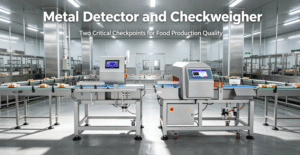
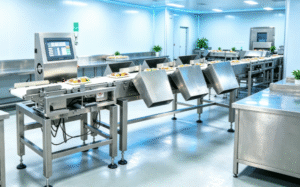
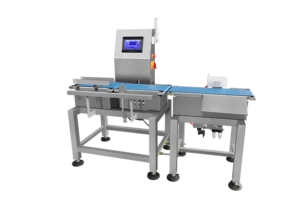
Modern detection systems integrate seamlessly with conveyors, checkweighers, and packaging lines. Automated rejection prevents line stoppages and minimises manual intervention. When paired with upstream separation, detection becomes part of a layered contamination-control strategy—one that keeps production flowing while reducing waste, rework, and emergency maintenance.
Industry Applications Where Metal Detection Is Critical
Different food sectors face distinct contamination risks. Understanding these variations helps manufacturers design more effective inspection points.
Dairy and frozen products
High-moisture products such as cheese, yoghurt, and frozen meals often mask metal signals. Advanced Food Metal Detectors are engineered to compensate for “product effect,” ensuring reliable detection without excessive false rejects.
Meat and poultry processing
Knives, hooks, and bone fragments increase contamination risk. Detection systems positioned after grinding or portioning ensure that broken metal components are captured before packaging.
Bakery and snack foods
High-speed lines for bread, biscuits, and chips demand rapid, accurate inspection. Here, Food Metal Detectors must balance sensitivity with throughput, maintaining performance without slowing production.
Packaged and processed products
From sauces to ready meals, packaged foods pass through multiple mechanical stages. End-of-line detection ensures that any metal introduced during filling, sealing, or labelling is identified before distribution.
Across these sectors, manufacturers increasingly rely on solutions developed by Jindun Elec to align detection performance with real-world production demands.
Conclusion: Safety, Compliance, and Confidence
Food safety is not achieved through a single checkpoint—it is built into the production system. Food Metal Detectors serve as a critical safeguard, protecting consumers, supporting regulatory compliance, preventing recalls, and stabilising operations. When combined with upstream technologies and sound process design, they transform metal control from a reactive task into a proactive strategy.
For manufacturers seeking reliable, industry-grade detection solutions tailored to their production environments, Contact Jindun Elec to explore systems designed for real-world food processing challenges.
FAQS