
What Is X Ray Inspection Equipment and How Does It Work in Industry?
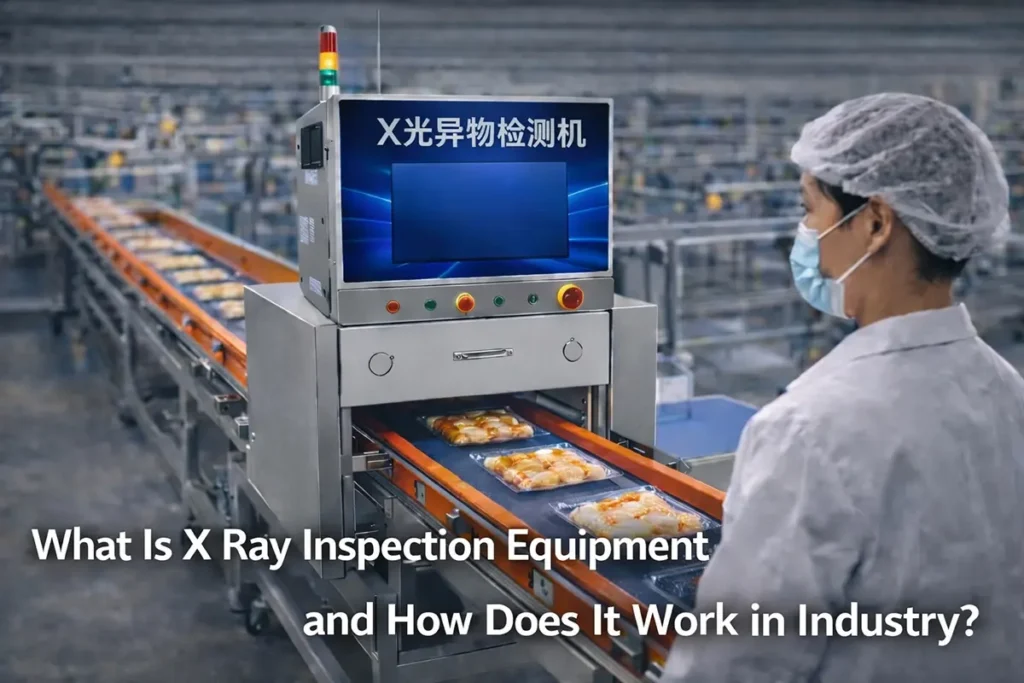
Table of Contents Modern production lines are facing increasing pressure to deliver safer, more consistent products while meeting stringent regulatory requirements. Traditional inspection methods alone are no longer enough. This is why more manufacturers are turning to X Ray Inspection Equipment as a core part of their quality control strategy. Understanding what this technology is—and […]
Lifecycle Cost of a Food Metal Detector: What Buyers Often Overlook
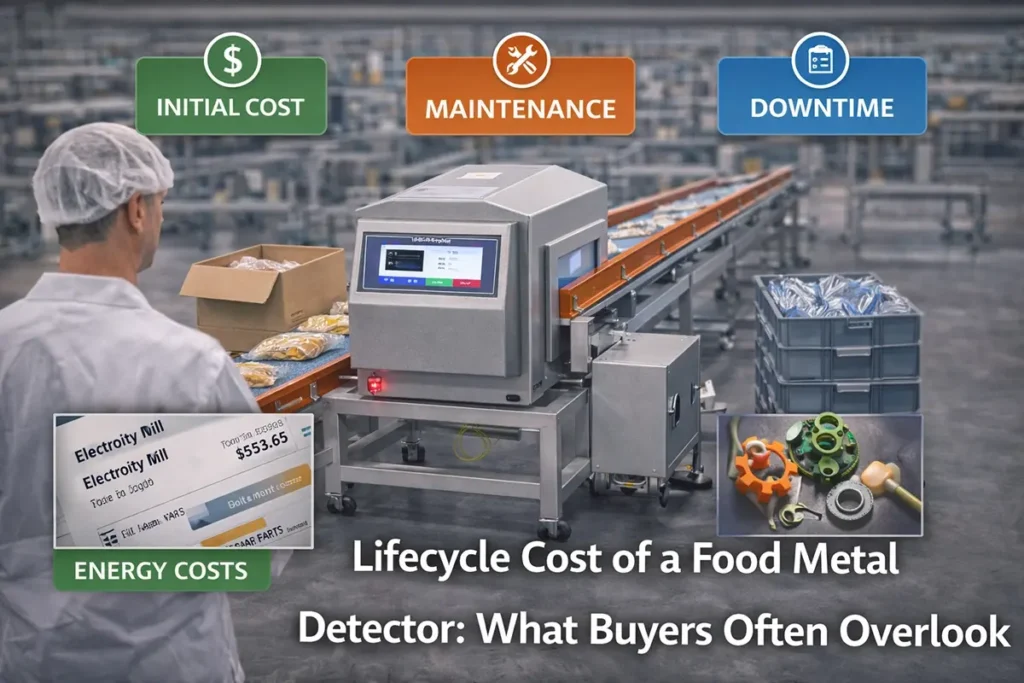
Table of Contents In many food factories, purchasing a Food Metal Detector is treated as a one-time capital expense. Buyers compare quotations, choose a model that meets basic sensitivity requirements, and move forward. What often gets overlooked is that the purchase price represents only a fraction of the total cost over the machine’s lifetime. Installation, […]
How Food Metal Detectors Fit into a Complete Contamination Control System
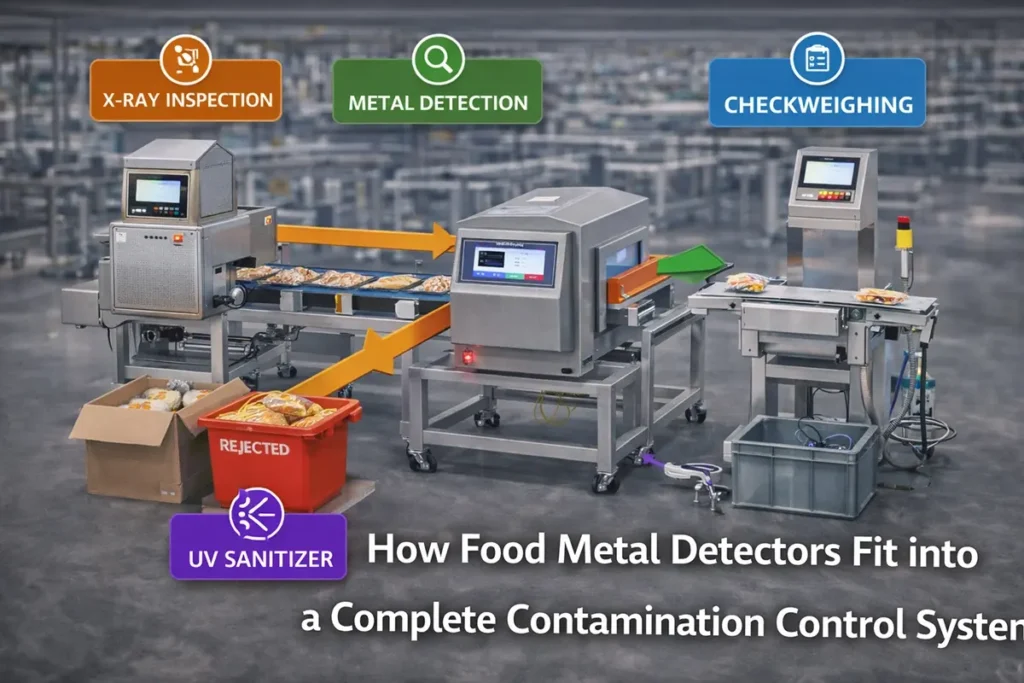
Table of Contents Food production facilities face constant challenges in ensuring that their products are free from metal contaminants. While Food Metal Detectors are critical for detecting metal fragments, relying solely on a single detection point is not enough. A complete contamination control system integrates preventive, detection, and verification measures to safeguard both product quality […]
Lifecycle Cost of a Food Metal Detector: What Buyers Often Overlook

Table of Contents Why “Purchase Price” Is Only a Small Part of the Real Cost When evaluating a Food Metal Detector, many buyers focus almost entirely on the initial purchase price. Quotations are compared, budgets are approved, and decisions are often made based on who offers the lowest number. But in industrial environments, the purchase […]
Understanding False Rejects in Food Metal Detection and How to Reduce Them
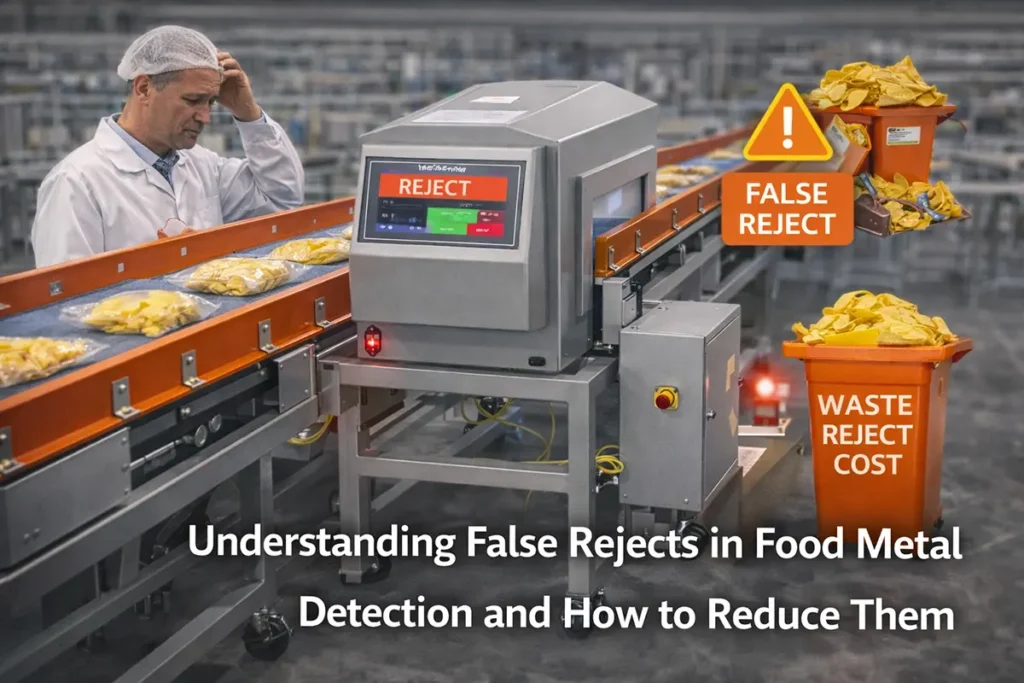
Table of Contents In many food factories, operators face a frustrating reality: products are rejected even though no metal contamination exists. These “false rejects” waste materials, slow production, and gradually erode confidence in the inspection system. Over time, teams begin to question whether their metal detector is truly reliable—or whether it is becoming a bottleneck […]
How to Choose the Right Food Metal Detector for Different Product Types
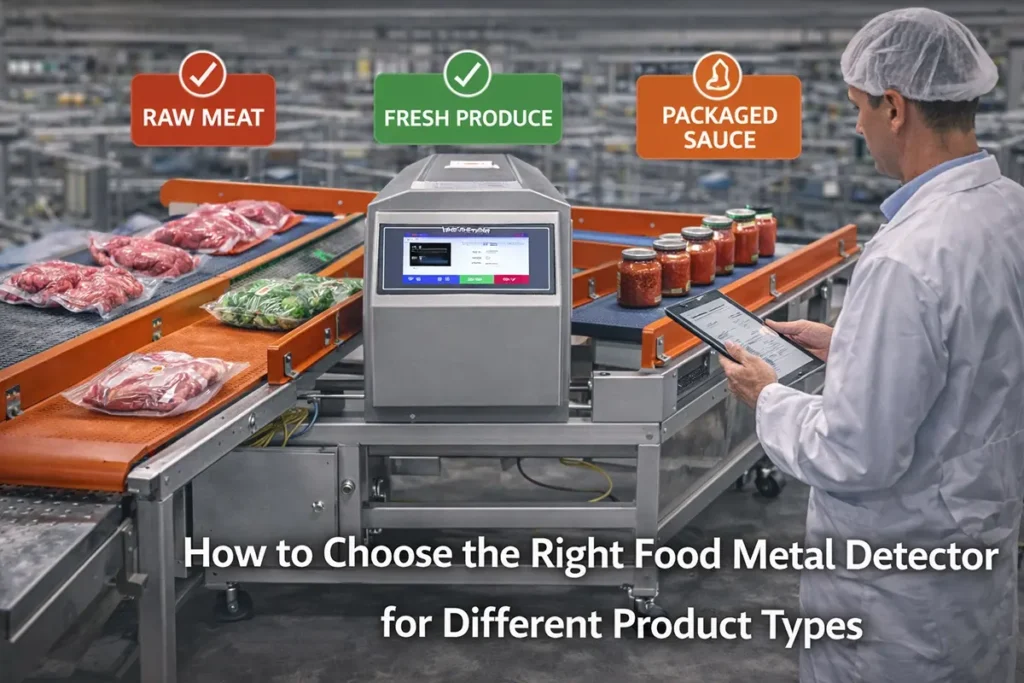
Table of Contents Selecting a food metal detection system is not about buying “the most sensitive machine.” In food production, every product behaves differently in an electromagnetic field. Moisture, salt, temperature, and physical form all influence detection performance. A system that works perfectly on dry biscuits may fail on cheese or frozen meat. That is […]
How Food Metal Detectors Are Installed and Commissioned in Real Factories

Table of Contents Installing a Food Metal Detector is not a simple “plug-and-play” task. In real factories, performance depends far more on how the system is installed, integrated, and commissioned than on the hardware alone. Many buyers discover too late that improper placement, electrical noise, or rushed calibration leads to false rejects, missed contaminants, and […]
How Food Metal Detectors Perform in Wet, Frozen, and High-Moisture Products

Table of Contents Wet, frozen, and high-moisture foods are among the most difficult products to inspect for metal contamination. Meat, cheese, sauces, frozen meals, and ready-to-eat foods all contain high levels of water, salt, or density variation—factors that interfere with detection signals. This phenomenon, known as the product effect, is the real reason many plants […]
Optimising Food Metal Detector Performance in High-Speed Production Lines
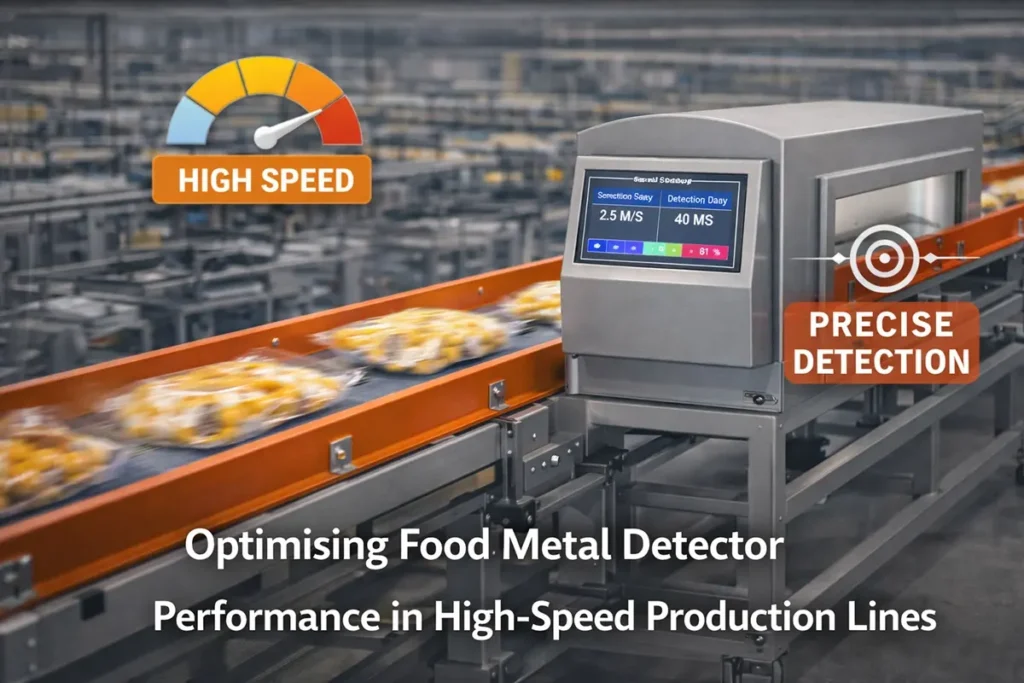
Table of Contents High-speed production lines present unique challenges for food safety and operational efficiency. As throughput increases, the risk of metal contamination slipping past detection rises. Optimising Food Metal Detectors is essential to maintain product safety, minimise false rejects, and ensure continuous production. Jindun Elec provides industry-leading solutions tailored to high-speed applications, helping manufacturers […]
How to Optimise Food Metal Detector Sensitivity Without Causing False Rejects?

Table of Contents In food production, food metal detector sensitivity is often treated as a simple “higher is better” setting. In reality, pushing sensitivity too far can disrupt production with constant false rejects, while lowering it risks missing dangerous contaminants. The real challenge is not maximising sensitivity—it is optimising it. This article explains how food […]