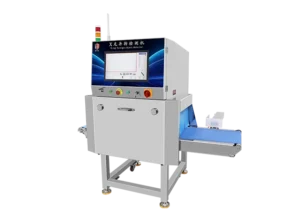
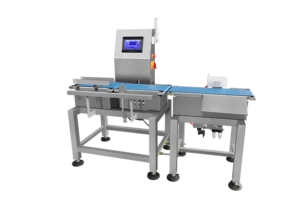
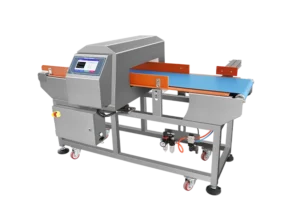
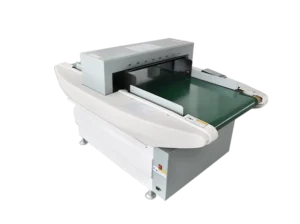
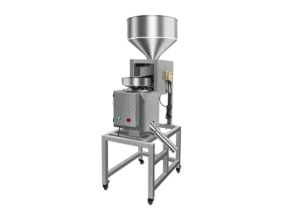
Wet, frozen, and high-moisture foods are among the most difficult products to inspect for metal contamination. Meat, cheese, sauces, frozen meals, and ready-to-eat foods all contain high levels of water, salt, or density variation—factors that interfere with detection signals. This phenomenon, known as the product effect, is the real reason many plants struggle with unstable results.
Modern Food Metal Detectors are designed to handle these challenges, but success depends on understanding how these products behave in real production environments. Manufacturers working with complex food types often rely on the application expertise of Jindun Elec to achieve stable, compliant inspection results.
Why Wet and Frozen Foods Are Difficult to Inspect
The difficulty does not come from the detector alone—it comes from the product itself. Wet and frozen foods actively interact with the detection field, making small metal fragments harder to distinguish.
Electrical Conductivity and Product Effect
Moisture and salt content create electrical conductivity. Products like meat, poultry, cheese, and sauces generate signals that resemble metal, masking small contaminants. These “active products” increase background noise, forcing operators to choose between missed detections and excessive false rejects.
Temperature and Physical Density Changes
Frozen products behave differently from fresh ones. As temperature and density change, the product signal shifts. A detector calibrated for chilled meat may become unstable when the same product is frozen, requiring adaptive compensation to maintain accuracy.
How Modern Food Metal Detectors Handle High-Moisture Products
Once the source of the problem is clear, the solution becomes a matter of technology and configuration rather than guesswork.
Multi-Frequency Detection Technology
Multi-frequency systems analyse products at different signal ranges. This allows the detector to separate product effect from true metal contamination. Single-frequency models often struggle with wet foods, while multi-frequency Food Metal Detectors adapt to changing product characteristics.
Adaptive Filtering and Auto-Compensation
Advanced processors continuously adjust in real time. When moisture levels, temperature, or density shift, the detector compensates automatically. This keeps sensitivity stable throughout long production runs and across product changeovers.
Real Production Scenarios and What Actually Works
Theory only matters if it works on the factory floor. Different food categories present unique challenges.
Meat and Poultry Processing Lines
High moisture, bone fragments, and temperature variation make these lines unpredictable. Reliable performance depends on stable conveyor integration, product-specific calibration, and frequent validation using certified test pieces.
Frozen Ready Meals and Packaged Foods
Dense products and foil packaging complicate detection. The key is balancing sensitivity against reject stability. Multi-frequency tuning and precise aperture sizing prevent excessive waste without sacrificing safety.
Dairy and Liquid-Based Products
Yoghurt, cheese, and sauces often run through pipelines. These applications require detectors designed for continuous flow, with compensation algorithms that manage turbulence and conductivity.
Best Practices for Reliable Detection in Wet and Frozen Products
Achieving stable results requires more than hardware—it demands process discipline.
Product-Specific Calibration
There is no universal setting. Each product requires its own calibration profile. Regular validation with test pieces ensures sensitivity remains within compliance thresholds.
Environmental Stability
Condensation, washdown zones, and vibration affect signal integrity. Enclosures, mounting design, and drainage planning all contribute to long-term stability.
Combining Detection with Preventive Controls
Layered protection reduces risk. Upstream separation prevents equipment damage, while downstream detection verifies product safety. This system approach minimises both contamination and unnecessary rejects.
Why Application Experience Matters More Than Specifications
Datasheets describe capability—but real performance comes from field experience. Two factories running the same product may require different configurations due to layout, temperature, and throughput.
Effective metal detection is not about owning a device; it is about designing a system that fits the production reality. This is why modern Food Metal Detectors are deployed as part of engineered solutions rather than standalone machines.
Conclusion: Making Metal Detection Work in the Toughest Food Environments
Wet, frozen, and high-moisture foods challenge even the most advanced detection systems. The limitation is not technology—it is understanding. When product behaviour, environment, and process flow are properly accounted for, reliable inspection is achievable.
For food manufacturers operating under complex conditions, the right configuration makes the difference between constant disruption and stable compliance. To design a solution that fits your actual production environment, Contact Jindun Elec for professional guidance and application-driven metal detection systems.
FAQs