How to Choose the Right Metal Separator for Recycling Applications
Selecting the right metal separator is a critical decision for recycling operations. An unsuitable system can lead to poor metal recovery rates, excessive equipment wear, frequent downtime, and even damage to downstream machinery. To avoid these hidden costs, recycling facilities must evaluate metal separation solutions from a practical, system-level perspective rather than focusing on specifications alone.
Before comparing different technologies, it is essential to start with the most fundamental factor: the recycling material itself.
Understanding Your Recycling Material First
Every effective separation solution begins with a clear understanding of what is being processed. Material characteristics directly determine which type of Metal Separator will perform reliably in a real production environment.
Material Composition and Metal Types
Different recycling streams contain different metal profiles. Some materials are dominated by ferrous metals, while others contain high volumes of aluminium, copper, or mixed alloys. The size, shape, and distribution of these metal contaminants also matter.
For example, large ferrous fragments are relatively easy to remove, while fine or irregular non-ferrous metals require more advanced separation principles. Understanding these factors helps avoid over- or under-specifying a separation system.
Material Condition and Feed Consistency
Beyond composition, the physical condition of the material plays an equally important role. Moisture content, temperature, bulk density, and feed consistency all influence separation stability.
Highly variable or unstable material flows can reduce detection accuracy and increase false separations. In such cases, the metal separator must be selected with sufficient tolerance to real-world operating conditions, not just ideal laboratory scenarios.
Matching Metal Separator Types to Recycling Applications
Once material characteristics are clear, the next step is matching them with the appropriate separation technology. Different metal separators serve fundamentally different purposes.
When Magnetic Separation Is Sufficient
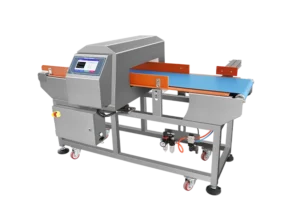
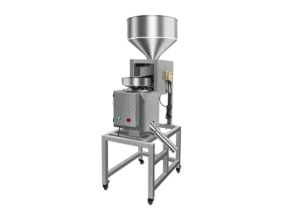
Magnetic separators are commonly used when the primary objective is to remove ferrous metals. This approach is effective for equipment protection and for recovering iron-based materials from bulk recycling streams.
In many recycling lines, magnetic separation serves as the first defence stage, preventing damage to crushers, shredders, and conveyors.
When Eddy Current Separation Is Required
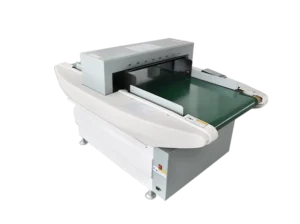
For applications involving non-ferrous metals such as aluminium or copper, eddy current separators become essential. These systems generate repulsive forces that separate conductive metals from non-metallic materials.
Eddy current separation is especially valuable in aluminium recycling and mixed waste processing, where recovering non-ferrous metals significantly improves material value and overall profitability.
When Sensor-Based Separation Adds Value
In more complex recycling environments, sensor-based separation technologies may provide additional benefits. These systems are used when material streams contain mixed metals or when high-purity output is required.
Sensor-based separation is often introduced at later stages of the process, complementing mechanical and magnetic separation rather than replacing them.
Considering Line Capacity and Installation Constraints
Technology selection alone is not enough. The chosen metal separator must integrate seamlessly into the existing or planned production line.
Throughput and Conveyor Speed Requirements
Each recycling operation has unique throughput requirements. A metal separator must handle the required material volume without sacrificing separation accuracy.
Higher conveyor speeds can reduce separation efficiency if the system is not properly matched. Balancing throughput and precision is critical, especially in high-capacity recycling facilities.
Space and Integration Limitations
Physical installation constraints also influence equipment selection. Limited space may restrict separator size or mounting options.
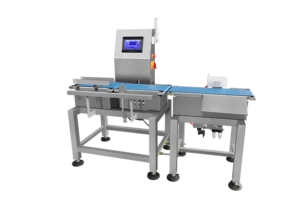
In some cases, metal separation systems are integrated with downstream equipment such as a Weight Sorting Machine, creating a more comprehensive material classification process without expanding the production footprint.
Evaluating Long-Term Operating Costs
The initial purchase price is only one part of the investment decision. Long-term operating performance often has a greater impact on total cost of ownership.
Maintenance and Wear Factors
Recycling environments are harsh by nature. Dust, vibration, and abrasive materials accelerate wear on mechanical components.
A well-designed metal separator should minimise maintenance requirements and allow for easy access to wear parts, reducing service interruptions and labour costs.
System Stability and Downtime Risk
Frequent false separations or unstable operation can disrupt production and reduce overall efficiency. Over time, these issues often cost more than the original equipment investment.
Choosing a stable and application-appropriate separation system significantly reduces downtime risk and ensures consistent recovery performance.
Building a Complete Metal Separation Strategy
Effective recycling operations rarely rely on a single piece of equipment. Instead, they use a layered separation strategy.
Single Device vs Multi-Stage Separation
While a single metal separator may be sufficient for simple applications, complex recycling streams often require multiple separation stages.
Combining magnetic, eddy current, and sensor-based systems allows each device to focus on a specific task, improving overall efficiency and material purity.
Combining Metal Separation with Other Inspection Technologies
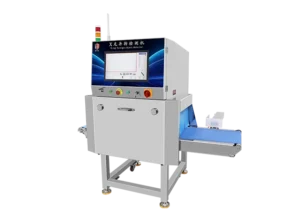
In certain high-risk or high-value recycling processes, metal separation can be complemented by X-ray inspection Equipment. This approach is particularly useful for detecting non-magnetic or embedded contaminants that traditional separators may miss.
By integrating multiple inspection technologies, recycling facilities can achieve higher reliability and more consistent output quality.
Conclusion
Choosing the right metal separator for recycling applications is not about selecting the most advanced technology, but about selecting the most suitable solution for your material, line design, and long-term operational goals.
Facilities that take a systematic approach—evaluating material properties, production constraints, and lifecycle costs—are far more likely to achieve stable performance and strong return on investment.
For tailored guidance and system-level solutions, Contact Jindun Elec to discuss your recycling application with experienced specialists or explore more about Jindun Elec and our industrial inspection technologies.
FAQs
How do I know which metal separator suits my recycling material?
Start by identifying metal types, sizes, and material consistency. These factors determine whether magnetic, eddy current, or sensor-based separation is required.
Is magnetic separation enough for most recycling lines?
Magnetic separation is effective for ferrous metals but insufficient for non-ferrous materials such as aluminium or copper.
Can multiple metal separators be used on one line?
Yes. Multi-stage separation is common in modern recycling lines to improve recovery rates and material purity.
How does line speed affect metal separation performance?
Higher speeds reduce separation accuracy if the system is not designed for high throughput. Proper matching is essential.
What are common mistakes when choosing a metal separator?
Common errors include ignoring material variability, underestimating maintenance needs, and selecting equipment based solely on price.
Share With
Related Articles
Hot Products