In heavy industries, metal contamination rarely appears in gentle conditions. It emerges in environments filled with heat, dust, vibration, and abrasive particles—mining plants, cement lines, foundries, and recycling facilities. In these settings, conventional separation methods often fail, allowing metal fragments to damage equipment and disrupt production.
This is where industrial metal separation becomes more than a quality step—it becomes a form of equipment protection. Understanding the challenges of these extreme materials is the first step toward building a production line that can endure them.
Why High-Temperature and Abrasive Materials Are So Difficult to Handle
High-temperature and abrasive materials introduce a unique combination of thermal stress, mechanical wear, and unstable flow. Before discussing solutions, it is important to understand the nature of these challenges.
Thermal Stress and Material Deformation
High temperatures can warp structural components, degrade insulation, and alter sensor behaviour. Magnets lose strength under sustained heat, while electronic components drift out of calibration. In continuous processes, even small thermal shifts can accumulate into major performance losses.
Severe Wear from Abrasive Particles
Materials such as quartz sand, clinker, ore, and slag act like grinding agents. They erode housings, chutes, and internal surfaces. Over time, this wear compromises alignment, creates gaps, and reduces separation accuracy.
Unstable Flow and Dust Interference
Abrasive and hot materials rarely flow smoothly. Dust clouds, vibration, and turbulence interfere with sensing and ejection mechanisms, increasing the risk of missed contaminants or false triggers.
Common Failures of Conventional Separation Methods
Once these conditions are understood, it becomes clear why standard equipment struggles to perform reliably in such environments.
Magnet Demagnetisation Under Heat
Permanent magnets weaken when exposed to prolonged heat. In high-temperature zones, their separation force drops, allowing ferrous contaminants to pass through unnoticed.
Sensor Drift in Extreme Environments
Heat affects electronic stability. Sensors may gradually lose precision, leading to inconsistent performance and higher error rates.
Mechanical Fatigue and Frequent Breakdowns
Abrasive flow accelerates fatigue in bearings, seals, and housings. Frequent maintenance becomes inevitable, increasing downtime and operational cost.
How Industrial-Grade Metal Separator Systems Overcome These Conditions
True industrial solutions are engineered for endurance. They address heat, abrasion, and instability at a structural level rather than relying on standard components.
Heat-Resistant Construction and Shielding Design
Industrial systems use high-temperature alloys, thermal insulation, and protective shielding to preserve magnetic strength and electronic stability. These measures ensure consistent separation even in elevated-temperature zones.
Abrasion-Resistant Components and Flow Optimisation
Wear-resistant liners, reinforced chutes, and optimised material paths reduce friction and impact. This preserves internal geometry and maintains separation accuracy over long service cycles.
Stable Separation Performance in Harsh Environments
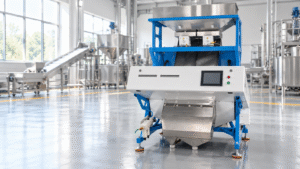
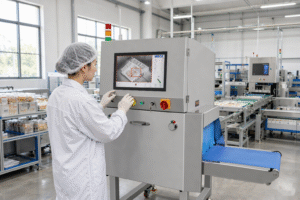
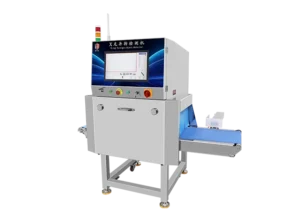
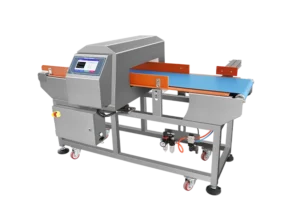
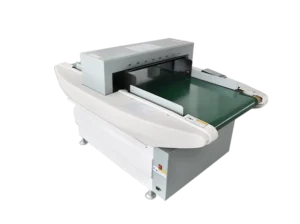
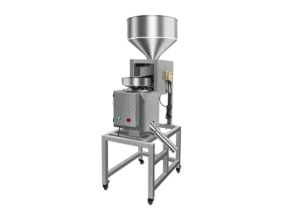
A properly engineered Metal Separator maintains its effectiveness despite heat, dust, and vibration—operating as a continuous protective barrier for downstream equipment. In many harsh-process industries, this upstream protection is complemented by downstream inspection systems such as X Ray Inspection Equipment or Food Metal Detectors, forming a layered contamination control strategy.
Typical Industries Facing These Challenges
These conditions are not niche—they define entire industrial sectors.
Mining and Mineral Processing
Ores and aggregates contain sharp, heavy particles and embedded metals. Early separation prevents crusher damage and belt failures.
Cement and Building Materials
Clinker, limestone, and recycled aggregates generate heat and abrasion. Metal intrusion can destroy mills and rotary equipment.
Metallurgy and Foundry Operations
Slag, scale, and scrap streams operate under extreme temperatures. Separation protects conveyors and forming machinery.
Recycling and Waste-to-Energy Plants
Mixed waste flows are unpredictable and abrasive. Effective separation prevents metal from entering shredders and burners.
Designing a Reliable Separation Strategy for Harsh Conditions
Equipment alone is not enough. Performance depends on how separation is designed into the process.
Positioning Separation Before Critical Equipment
Installing separation ahead of crushers, mills, and extruders prevents damage before it occurs—turning metal control into prevention, not reaction.
Matching Separator Type to Material Behaviour
Flow rate, temperature, particle size, and density determine which separation technology is appropriate. Selection must reflect real material behaviour.
Integrating Separation into a Continuous Production Line
Separation should align with throughput and automation, ensuring protection without interrupting productivity.
Building Durable Production Lines in Extreme Environments
High-temperature and abrasive materials represent the most punishing conditions in industrial production. In these environments, metal contamination is not an occasional risk—it is a constant threat. Only separation systems designed for endurance can operate reliably over time.
This system-level perspective is central to how Jindun Elec approaches industrial metal control: not as a single device, but as part of a long-term production strategy that protects equipment and stabilises output.
Effective separation is about building protection before problems occur. For manufacturers operating in harsh conditions, selecting the right solution can mean the difference between constant downtime and sustained performance. To evaluate options aligned with your operating environment, Contact Jindun Elec for technical guidance.
FAQs