What Is a Metal Separator and How Does It Work in Industry?
Metal contamination is a common challenge in industrial production and recycling processes. To protect equipment, improve material purity, and ensure product quality, many manufacturers rely on metal separation technologies. Understanding what a metal separator is and how it works helps decision-makers choose the right solution for their production lines.
What Is a Metal Separator?
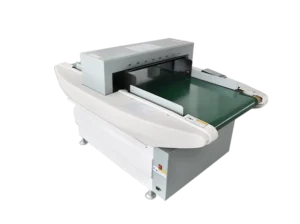
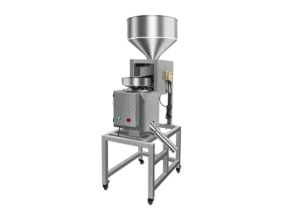
A metal separator is an industrial inspection or separation device designed to identify and remove unwanted metal contaminants from raw materials or finished products. These systems are widely used in recycling, plastics processing, mining, food production, and bulk material handling.
Depending on the application, a metal separator may detect ferrous metals, non-ferrous metals, or both. In many industrial environments, Metal Separator systems play a critical role in preventing equipment damage and maintaining consistent production quality.
Before examining specific applications, it is important to understand the basic working principles behind metal separation.
How Does a Metal Separator Work?
Although designs vary, most metal separators operate based on magnetic, electromagnetic, or sensor-based detection principles. The separation process typically follows a predictable workflow.
First, material passes through or over the separator system on a conveyor or gravity-fed chute. When metal is detected, the system triggers a mechanical or pneumatic mechanism to remove the contaminant from the product stream.
In industrial recycling lines, Metal Separator systems are often integrated before crushers or shredders to protect downstream equipment from metal damage.
To better understand this process, it helps to look at the main separation technologies used in industry.
Common Types of Metal Separation Technologies
Different industrial environments require different separation methods. Each technology targets specific metal types and material conditions.
Magnetic Separation (Ferrous Metals)
Magnetic separators use permanent magnets or electromagnets to attract ferrous metals such as iron and steel. These systems are commonly installed in bulk material handling and recycling operations.
Magnetic separation is often the first stage in a complete metal separation system, especially in scrap processing and mining applications.
Eddy Current Separation (Non-Ferrous Metals)
Eddy current separators are designed to remove non-ferrous metals such as aluminum and copper. By generating a rotating magnetic field, these systems induce electrical currents in conductive metals, causing them to be repelled from the material stream.
This technology is widely used in advanced Metal Separator setups for recycling plants handling mixed waste or shredded materials.
Sensor-Based Metal Separation
Sensor-based separators use advanced detection technologies to identify metal contaminants based on conductivity, density, or signal response. These systems are commonly applied in industries requiring higher purity levels.
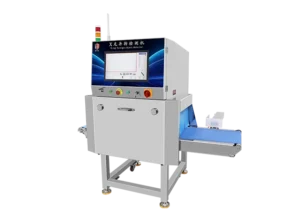
In some production environments, sensor-based separation works alongside X Ray Inspection Equipment to achieve more precise material classification.
Where Are Metal Separators Used in Industry?
Metal separators are used across a wide range of industrial sectors. Each application has specific operational goals and regulatory requirements.
Before reviewing individual industries, it is worth noting that metal separation is rarely a standalone process. It is usually part of a broader inspection and quality control system.
Recycling and Waste Processing
In recycling plants, metal separators improve material recovery rates and protect shredders and crushers. Separating ferrous and non-ferrous metals increases the overall value of recycled materials.
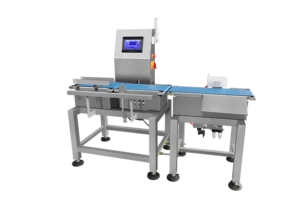
These systems are often combined with Weight Sorting Machine solutions to further optimize sorting accuracy.
Plastics and Rubber Processing
In plastics manufacturing, metal contamination can damage extrusion equipment and compromise product quality. Metal separators installed upstream help remove metal fragments before processing begins.
This approach reduces downtime and extends the lifespan of critical machinery.
Food and Bulk Material Processing
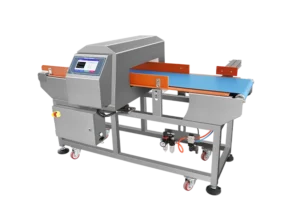
Although metal separators are not a replacement for final inspection, they are frequently used alongside Food Metal Detectors to reduce contamination risks earlier in the production process.
By removing metal contaminants before packaging, manufacturers can improve efficiency and reduce false rejects during final inspection.
How to Choose the Right Metal Separator for Your Line
Selecting the right metal separator depends on several factors, including material type, metal size, throughput requirements, and installation location.
Production managers should evaluate whether ferrous-only removal is sufficient or if non-ferrous separation is also required. Environmental conditions such as moisture, dust, and temperature can also influence system performance.
For facilities handling mixed materials or high-value products, combining Metal Separator systems with other inspection technologies often delivers better long-term results.
Optimizing Metal Separation Performance in Industrial Operations
Installing a metal separator is only part of the solution. Proper system calibration, routine maintenance, and correct positioning within the production line significantly affect performance.
Many industrial facilities integrate metal separation with automated monitoring and control systems to maintain consistent operation. Over time, data-driven adjustments can further improve separation efficiency and reduce material loss.
For companies seeking to improve inspection reliability across multiple production stages, reviewing their overall inspection strategy is just as important as selecting individual machines.
Conclusion
Metal separators are essential tools for protecting equipment, improving material purity, and supporting efficient industrial operations. By understanding how different separation technologies work and where they are best applied, manufacturers can make informed decisions that enhance productivity and reduce operational risks.
If you are evaluating metal separation solutions for your production or recycling line, Contact Jindun Elec to discuss system selection, integration options, and long-term performance optimization.
FAQs
What is the difference between a metal separator and a magnetic separator?
A metal separator is a broader industrial term that includes magnetic separators, eddy current separators, and sensor-based systems. Magnetic separators specifically target ferrous metals, while other metal separators can remove non-ferrous metals such as aluminum or copper.
Can metal separators separate both ferrous and non-ferrous metals?
Yes, but usually not with a single technology. Ferrous metals are removed using magnetic separation, while non-ferrous metals require eddy current or sensor-based metal separation systems. Many industrial lines use a combination of separators for best results.
Where should a metal separator be installed in a production line?
Metal separators are typically installed before crushers, grinders, or sensitive processing equipment to prevent damage, or after shredding stages in recycling lines to improve material purity and recovery efficiency.
What factors affect the efficiency of a metal separator?
Separation efficiency depends on material size, metal type, moisture content, conveyor speed, installation position, and correct system calibration. Improper setup often reduces separation accuracy more than machine capability itself.
Is a metal separator suitable for continuous industrial operation?
Yes. Industrial metal separators are designed for continuous, high-throughput operation and can run 24/7 when properly configured and maintained, making them suitable for large-scale manufacturing and recycling environments.
Share With
Related Articles
Hot Products