A metal detector in the food industry is a critical inspection device designed to identify and remove metallic contaminants before products reach consumers. Below is a comprehensive, practical guide that explains what these systems are, how they operate, and why they are important.
What a Metal Detector Does in Food Processing
To understand their importance, it is helpful to first examine the core purpose behind these machines.
A food-grade metal detector helps manufacturers identify ferrous, non-ferrous, and stainless-steel contaminants that may enter the product during farming, processing, cutting, mixing, or packaging. By detecting unwanted metal, plants avoid recalls and maintain compliance with global standards such as HACCP, IFS, and BRC.
How Metal Detectors Work in the Food Industry
Before getting deeper into workflows and applications, it’s helpful to understand the basic operating principle.
Food metal detectors typically use a balanced-coil system that generates an electromagnetic field. When metal passes through the field, it disrupts the signal, causing the detector to trigger an alarm or reject the product.
Core Working Principle
The step-by-step mechanism helps clarify how detection truly occurs.
- A transmitter coil creates a stable electromagnetic field.
- The product passes through the aperture during inspection.
- Any metal changes the field balance.
- Receiver coils pick up this disturbance.
- The system’s electronics interpret the signal.
- A rejection mechanism then removes the contaminated item.
Types of Metal Detectors Used in Food Plants
Since food products vary widely, different technologies serve different needs.
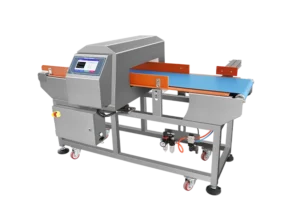
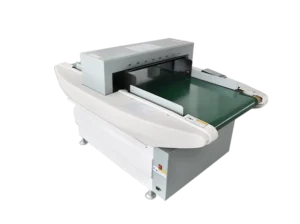
- Conventional balanced-coil metal detectors — used for dry foods, bakery items, snacks, powders, grains, etc.
- Pipeline metal detectors — used for liquids, sauces, pastes, and semi-solid products.
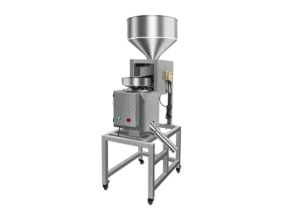
- Gravity-fall systems — used for bulk commodities like rice, flour, spices, and coffee.
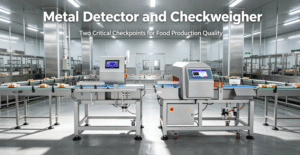
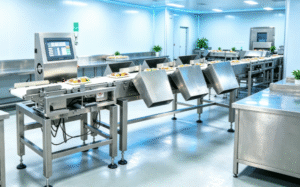
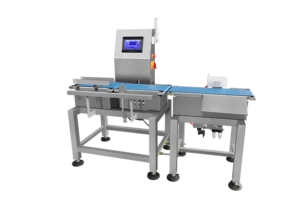
- Integrated conveyor systems — used at end-of-line packaging for final inspection.
Industry Applications and Real-World Uses
Metal detectors appear in nearly every step of modern food processing. A quick overview helps show their versatility.
Raw Material Inspection
Before ingredients enter production, contaminants are removed as early as possible. This prevents mechanical damage and cross-contamination in the future.
In-Process Protection
During mixing, grinding, or forming, metal fragments from cutting tools, screens, or belts can be introduced into the product. Metal detectors integrated into the line prevent defective batches from moving forward.
Final Packaging Control
Finished goods must be inspected before leaving the factory. End-of-line Food Metal Detectors ensure compliance and reduce liability risks.
Why Food Manufacturers Need Metal Detectors
With operational context established, it’s important to explain why these systems are non-negotiable in modern production.
Ensuring Consumer Safety
Metal fragments pose choking risks, internal injury, and severe legal consequences. Detection prevents these outcomes.
Meeting Certification & Retail Requirements
Large retail chains and international food safety standards mandate traceable metal-contamination control.
Reducing Recalls and Losses
Undetected contamination can trigger mass recalls, damaging brand reputation and increasing costs. Early rejection saves entire batches.
Comparison With Other Inspection Technologies
A brief comparison makes it clear where metal detectors excel and when alternatives may be used.
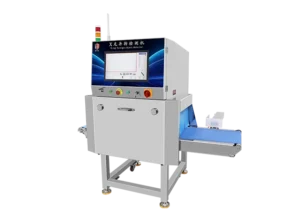
While metal detectors handle most metallic threats, X-Ray Inspection Equipment is better for detecting non-metallic hazards like glass, bone, dense plastics, or stones. Many factories use both technologies for complete protection.
Conclusion
Metal detectors are an essential component of food-industry quality control, ensuring safety, compliance, and efficiency across the entire production chain. Whether you need a basic system or a specialised solution tailored to your workflow, professional guidance makes selection easier.
For expert support or tailored equipment recommendations, reach out to Contact Us.
To explore additional inspection technologies and solutions, visit jindunelec.
FAQs